

Hydraulic Metal Processing Machine
Why Choose Us?
Henan Forchen Machinery Co., Ltd. is a professional manufacturer and supplier of scrap metal and plastic recycling machinery. Since its establishment in 2000, our factory covers an area of more than 20,000 square meters, and has set up sales and production centers in many places, including Henan, Zhejiang and other regions. We mainly supply the following products: copper wire granulators, wire stripping machines, motor recycling machines, radiator recycling machines, PCB recycling machines, automobile recycling machines, metal crushers and related supporting equipment.
Rich Experience
Since its establishment, our team has gained extensive experience in the equipment recycling field, providing products and services to more than 50 countries around the world. And our overseas annual sales exceed US$10 million and are growing year by year.
Well Equipped
Our factory is equipped with internationally advanced CNC laser cutting machines, CNC lathes, shearing and bending machines, drilling machines, boring machines and other processing equipment to support all types of precision manufacturing.
Warm service
We also provide complete recycling line design and planning, equipment installation, staff training and regular visits to domestic and foreign customers.
Quality Assurance
All products and management systems currently operated by our company have obtained CE, SGS and ISO 9001 certifications.
-
 Hydraulic Alligator Shear Machine1. The hydraulic alligator shear is mainly driven by hydraulic power. . 2. Optional shearing force of the hydraulic alligator shear: 63T-500T. 3. Easy installation and operation.Add to Inquiry
 -
 Alligator Shearing Machine1. Wide application allgator shearing machine: metal recycle field, melting factory.. 2. Driving power: electric power, diesel engine. . 3. Vertical type alligator shearing machine.Add to Inquiry
 -
 Industrial Hydraulic Metal Cutting Machine1. Control mode of the metal cutting machine: manual, automatic. . 2. Different size shearing edge for option.. 3. All kind of waste steel,steel wires,copper wires could be processed by the metalAdd to Inquiry
 -
 Hydraulic Scrap Metal Baler Machine1. Hydraulic metal baler machine type: turn-out, side push-out,forward push-out. 2. Hydraulic metal balaer machine application: all kind of waste metals. . 3. Operating mode: manual and automatic.Add to Inquiry
 -
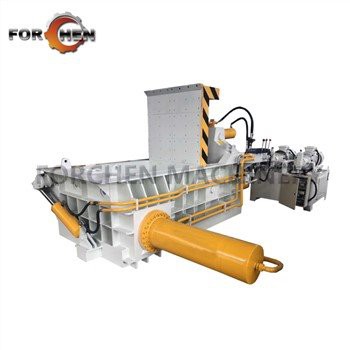 Industrial Metal Press Machine1. Metal press machine can press all kind of scrap metals to bales in different shape. . 2. Working method of metal press machine: compressing with hydraulic power. . 3. Type of the baler machine:Add to Inquiry
 -
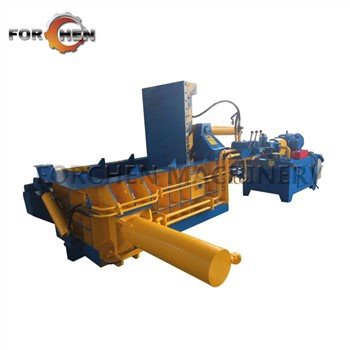 Horizontal Copper Aluminum Baler1. The copper aluminum baler could be controlled by PLC. . 2. All types of scrap metals are adapted for this copper aluminum baler.. 3. The baling machine is easy to install.Add to Inquiry
 -
 Waste Steel Baling Machine1. The steeL baling machine can be driven by electric power or diesel engine.. 2. Easy to operate. . 3. Energy saving, manpower saving.Add to Inquiry
 -
 Car Pressing Baler Machine1. Different shape and different size waste metal could be pressed by the car pressing baler machine. . 2. Output baler size could be customized. . 3. Cold pressing method.Add to Inquiry
 -
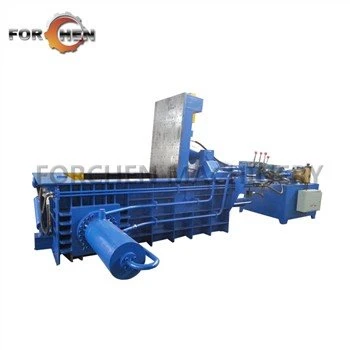 Metal Can Compressing Machine1. Outlet bale shape of the can compressing machine: cube, cuboid,circular cylinder,etc. . 2. Different press force for option.. 3. Pressing chamber size of the can compressing machine could beAdd to Inquiry
 -
 Hydraulic Metal Briquetting Machine1. Optional varies pressing power for the hydraulic metal briquetting machine.. 2. Output metal briquette could be customized. . 3. The metal briquetting machine is drived by hydraulic power.Add to Inquiry
 -
 Scrap Metal Briquette Pressing Machine1. PLC control system is matched with the metal briquette pressing machine. . 2. Many kind of metal power are suitable for the briquette press machine. . 3. Easy operating and installing.Add to Inquiry
 -
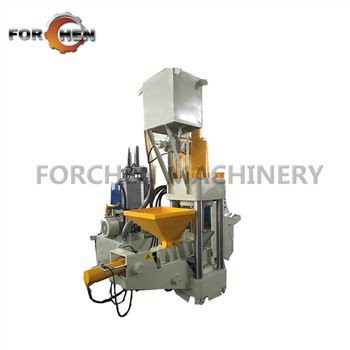 Waste Copper Aluminum Briquette Machine1. Produced metal briquette from the copper aluminum briquette machine has high density. . 2. Processing capacity of the briquette machine is up to 20tons per hour. . 3. Manual and PLC operatingAdd to Inquiry


- Mob: +8615313051092
- sales@forchenmachine.com
- Add: No.2106, Henan Chamber of Commerce Building, Fulu Street, Zhongxing Rd, Henan, China
Hydraulic metal processing machines are one of our company's most popular product lines. Research on metal processing machines has allowed us to design a family of hydraulic metal processing machines that respond to mechanical requests in the most appropriate and sensitive way, guaranteeing structural stability and achieving higher bending accuracy. This range of products is constructed of high-quality parts and offers a high degree of reliability. It is worth mentioning that we can also add options and upgrades on the configuration.
What is Hydraulic Metal Processing Machine?
Hydraulic metal processing machines are industrial tools that use hydraulic systems to cut, press, and shear metal. They are used for the stretching, forming and pressing of metal products, as well as the processing of non-metallic materials, the pressing of powder metallurgy products. For example, shearing machines are multipurpose devices used in the cutting of alloys and other sheet metal. Some shearing machines use a scissor-like, angular shear action to cut metal into sheets or strips. Other, larger machines use a straight shear action with the blade fixed at an angle as opposed to the angular movement.
Features of Hydraulic Metal Processing Machine
Fast Cutting
Our hydraulic metalworking machines feature multiple sharp cutting tools that rotate at high speeds with razor-sharp teeth to remove workpiece material and leave clean metal parts.
Automatic Control
These metal processing machines have advanced electronic and remote control systems that monitor and adjust hydraulic pressure, temperature and other parameters in the process to ensure high processing accuracy.
Durable Material
The shear blades, body and other parts of these processing equipment are made of alloys and high-hardness steel and are powder-coated to prevent corrosion.
Safety
Our hydraulic machines are equipped with safety devices and will promptly issue alarms in the event of circuit failures and system failures to prevent any accidents or injuries during operation.
Applications of Hydraulic Metal Processing Machine
Aerospace and Aviation Industry
Metalworking is extensively used in the aviation sector for making aircraft frames, engine parts, and many internal components. These processes also create the frames, structures, and parts for aerospace equipment like space shuttles, rockets, and entire space stations.
Automotive Sector
Metalworking processes are the basis of the entire automotive industry. Frames of cars, motorcycles, and other methods of transport are made with metalworking processing. Components like exhaust systems and engines are entirely manufactured with these processes.
Construction
Basic metalworking processes find use in the construction sector for making structural integrity components. Common examples are beams and pillars, which utilize metal reinforcements.
Healthcare Sector
Metalworking processes find use in making surgical equipment, prosthetics, implants, and other healthcare products.
Electronics
Metalworking is used in the electronics industry for making printed circuit boards. Computer casing commonly uses metal forming techniques. Soldering is extensively used throughout the electronics sector.
Oil and Gas
The oil and gas industry uses metalworking for pipelines, pumps, valves, and drilling equipment. The metalworking methods used in this sector require high standards and materials that can withstand extreme conditions.
Ram
In many hydraulic systems, several rams are used, the number of which depends on the working load. Multiple small rams are preferred over a single larger one to allow for better control over the thrust force. Fluid is supplied to the ram by a pump and hydraulic accumulator that works between the rams and the pump.
Accumulator
The accumulator stores hydraulic pressure as a fluid, which is released when required. The configuration of a hydraulic accumulator is a cylinder with a piston that is spring loaded or pneumatically pressurized. The pump continuously pumps hydraulic fluid into the accumulator to keep the pressure in it constant. The inlet of the accumulator is attached to the pump, while the outlet is attached to the machine.
Without the accumulator, the pump would have to be continually running. The accumulator helps avoid this by serving as a storage container for the energy needed to operate the machine.
Pump
The three types of hydraulic pumps are vane, gear, and piston with piston pumps being the most commonly used. The pumps for a hydraulic press are a positive displacement pump, which means they deliver a constant amount of fluid with each pumping cycle. The positive displacement pump can be fixed or variable with a fixed pump working at a constant speed while a variable pump changes speeds and can be reversed.
The reason that piston pumps are best suited for hydraulic presses is their ability to perform in high pressure hydraulic systems. The pump operates at large volumetric levels due to its low fluid leakage. The types of piston pumps include axial, bent axis, and radial.
Cylinders
The number of cylinders in a hydraulic press varies according to its design. The function of the cylinders is to generate the compressive force that drives the anvil and die. In a two cylinder design, the diameter of the cylinder that carries the ram is larger, while the diameter of the second cylinder that carries the plunger is smaller. Cylinders are metal pipes with two ports for the input and output of hydraulic fluid.
The cylinders are connected by a pipe containing hydraulic fluid. When the plunger in the small cylinder applies pressure to the hydraulic fluid through a downward action, the created pressure is applied to the ram. The action in the smaller cylinder by the downward movement of the plunger is that of a mechanical actuator used to produce unidirectional force by a unidirectional stroke.
Hydraulic Press Process
The mechanical results of the pressure created in the hydraulic system can be seen in the animation below where a plane slug is placed under the anvil, and pressure created by the cylinders drives the ram that drives the anvil down into the slug and forces it into the die.
Types of Hydraulic Metal Processing Machine
Metal Shredder
A metal shredder is a machine that reduces the size of scrap metal into smaller, more manageable pieces. They are also known as metal scrap shredders. For example, car crushers are large machines that turn a car into a large bucket of scrap steel and the rest of the car into non-ferrous materials, plastics and waste called automotive shredder residue. The glass, fabric, plastic, and all other non-ferrous materials are separated by eddy current magnets in place of heavy media separation.
Metal Baler
This machine is used to compress metal scrap into compact blocks or cubes, making it easier to transport and store. Metal balers crush, cut and bale a wide range of scrap metal. They deal efficiently and quickly with metals, whether it's something as small as aluminium cans or as large and robust as washing machines, other white goods and whole vehicles.
Metal Briquetting Machine
This machine is used to compress metal waste into briquettes, which can be re-melted and used to make new metal products. Metal briquetting machines can reduce storage costs and improve the furnace's utilization rate. They can also increase the value of metal residues.
Metal Cutting Machine
This machine is used to cut metal scrap into smaller pieces, making it easier to handle and transport. Metal cutting machines remove material from a workpiece. The type of process used depends on the job's requirements, such as the material type, part size and shape, and desired surface finish.
Common Materials Used for Hydraulic System
Stainless steel 301
This high-strength austenitic alloy offers excellent corrosion resistance and can be welded easily, making it ideal for cylinders and cylinder rods. Furthermore, it demonstrates remarkable ductility properties when cold worked.
Titanium alloy grade 01
The softest and most pliable type of pure titanium, Grade 01 has the highest formability, consisting of 99% titanium, 0.2% iron, 0.18% oxygen, and trace amounts of other elements such as nitrogen, carbon, and hydrogen.
Low alloy steel
This alloy not only has superior strength, flexibility, toughness, weldability, and fatigue resistance but is also light and corrosion-resistant. It maintains power and formability even in extreme temperatures.
Cast iron grade 60-44-18
An iron alloy of 60% iron, 44% carbon, and 18% manganese with excellent tensile strength and abrasion resistance, mainly used for fasteners and valve components.
Nickel-chromium alloys
These alloys are ideal for situations where a high level of protection from oxidation and corrosion is necessary, including constructing hydraulic cylinders. They display excellent high-temperature strength and electrical resistivity.
Chrome-plating
Chrome plating provides long-lasting hydraulic cylinder protection. It's corrosion-resistant and reduces friction, making it optimal for high-pressure applications.
Factors to Consider When Choose Hydraulic Metal Processing Machine
Metal
Sheet metal comes in a variety of forms and sizes, but the thickness, kind, and consistency are more essential than the length and width.
Sheet metal may always be broken down into smaller pieces. A larger metal shearing machine is desirable, but not necessary, if you want to lower the overall time it takes to cut sheet metal.
If you're shearing thin gauge metals or light aluminium, an air or electrically operated shear may suffice, but if you 're shearing ¾ plate with plasma cut slots, a superior mechanical shear may be required for impact absorption.
Tread Plate, Expanded Metals, Perforated Metals, and other materials that shear differently than flat material of equal make are all crucial to consider.
Quantity of Sheared Parts
The number of components you need to shear is almost as crucial as the material you're working with. While a basic and inexpensive machine would serve low-volume, intermittent use, a more advanced or sturdy machine would be necessary for steel service centre manufacturing.
Not only do the machines come in a variety of styles, but they may also be customized with a variety of features, such as conveyor/stackers that transport the sheared metal to a stack on a pallet for rapid removal. High-speed hydraulics or more precise front gauging are two other alternatives.
Design
The Guillotine style and the Swing Beam style are the two major design kinds of shears on the market. In a shear, a guillotine design refers to the upper blade being driven directly downward by the driving system, while a swing beam pivots the upper blade and uses momentum to force it down.
Because of the advantage of leverage it employs in the design, the Guillotine style provides a more robust, but more costly shearing mechanism, whilst the Swing Beam type uses fewer drive components.
Rake Angle
The upper blade's angle is referred to as the rake angle. A lower angle produces a better shearing edge and necessitates more force to shear. The optimal rake angle is zero degrees, however that would be too costly for the shear machine. Adjustable rakes employ smaller shears and lengthen the production process, whereas fixed rake angles stay in place throughout shearing.
Shearing System
There are five different shearing systems to choose from. Each of these systems has its own set of advantages and disadvantages, and some might not even function with your selected material at all.
- Mechanical: Lasts the longest, produces the most, and absorbs the most. Mechanical shears are quiet, quick, and easy to operate. They'll withstand a lot of wear and tear, and they'll probably last a long time.
- Hydraulic: Hydraulic presses or shears use a shearing blade and thick hydraulics with 14 gauge shears. They are less expensive than mechanical shears, but they do not cut as quickly.
- Electric: Electricity, inertia, and force are used to drive the shears with electric equipment. Smooth, quick, and quiet, they can work down 12-14 gauge steels.
- Air-operated: Air-operated shears combine manual shears with a pneumatic element to alleviate operator fatigue. They are typically used on 18 gauge or thinner gauges.
- Manual: Manual shears, the earliest type of shearing equipment, work with 18 gauge or thinner metal and are a light machine utilised in most HVAC industries.
Most Common Causes of Hydraulic Systems Failure
When a hydraulic system fails, finding the source of the problem can be a challenge. Though hydraulic systems primarily consist of a sump, motor, pump, valves, actuators and hydraulic fluid, any of these parts could be the source of failure. That's not to mention the additional potential for failure through human error and faulty maintenance practices. If your system fails, you need to know why it fails, how to find the failure and how to keep it running smoothly in the future, all while keeping personnel safe.
Air and water contamination are the leading causes of hydraulic failure, accounting for 80 to 90% of hydraulic failures. Faulty pumps, system breaches or temperature issues often cause both types of contamination.
Air contamination is the entrance of air into a hydraulic system and consists of two types — aeration and cavitation. Both can cause severe damage to the hydraulic system over time by wearing down the pump and surrounding components, contaminating hydraulic fluids and even overheating the system. Although we are not pump manufacturers, we know it is essential to be aware of these types of contamination and how to identify their symptoms.
● Cavitation: Hydraulic oil consists of about 9% dissolved air, which the pump can pull out and implode, causing pump problems and damage to the pump and to other components in a hydraulic system over time. You can identify this problem if your hydraulic pump is making a whining noise.
● Aeration: Aeration occurs when air enters the pump cavity from an outside source. Usually, loose connections or leaks in the system cause this issue. Aeration also creates a sound when the pump is running, which sounds like knocking.
Water contamination is also a common problem in hydraulic systems, often caused by system leaks or condensation due to temperature changes. Water can degrade hydraulic components over time through oxidation and freeze damage. A milky appearance in hydraulic fluid can help you identify water contamination.
Hydraulic systems that run too hot or too cold can cause severe problems over time. Some of these challenges include the following symptoms.
● Fluid thinning: Heat can cause hydraulic fluids to thin, preventing lubrication and making the fluid more likely to leak.
● Fluid oxidization: Extreme heat can cause hydraulic fluid to oxidize and thicken. This fluid thickening can cause buildups in the system that restrict flow, but can also further reduce the ability of the system to dissipate heat.
● Fluid thickening: Low temperatures increase the viscosity of hydraulic oil, making it harder for the oil to reach the pump. Putting systems under load before the oil reaches 70 degrees or more can damage the system through cavitation.
Poor heat dissipation is the usual suspect behind heat buildup, while environmental factors most often cause too-cool systems.
Fluid levels and quality can affect hydraulic system performance. Low fluid levels and inappropriate filtration can result in air contamination, while fluid contamination can cause temperature problems. Leaks can further exacerbate both issues.
Using the correct type of fluid is also essential, as certain hydraulic oils are compatible with specific applications. There are even oil options that offer higher resistance to temperature-related problems. Some oils even offer anti-wear and anti-foam additives to help prevent against wear and air contamination, respectively.
Human error is the base cause of many hydraulic system problems. Some of the most common errors that may result in your hydraulic pump not building pressure include the following.
● Faulty installations: Improper installation of any component in a hydraulic system can result in severe errors. For example, the pump shaft may be rotating in the wrong direction, negatively affecting pressure buildup, or pipes may be incorrectly fitted, resulting in leaks.
● Incompatible parts: An inexperienced installer may put mismatched components together, resulting in functional failures. For example, a pump may have a motor that runs beyond its maximum drive speed.
● Improper maintenance or usage: Using systems outside their operational capabilities or failing to perform regular maintenance are some of the most common causes of hydraulic system damage, but are easy to rectify through updated maintenance policies and training.
The sources of system failures can be tricky to identify, but some hydraulic troubleshooting steps can help narrow down the options. So how do you troubleshoot a hydraulic system? Here are some of the fundamentals.
Check the motor
Ensure the motor has the correct wiring and can turn on and off.
Check the pump
Take the pump assembly apart and assess all parts to ensure that they are functional and installed correctly. The most common problem areas include the pump shaft, coupling and filter.
Check the fluids
Check the level, color and viscosity of the hydraulic oil to ensure it meets specifications and has not become contaminated. Low hydraulic fluid symptoms include pressure or power loss. When in doubt, drain and replace the fluids.
Check the seals
Look for evidence of any fluid leakage around your hydraulic system's seals, especially the shaft seal. Leakage can indicate worn-out or blown seals that can cause malfunctions with pumps, motors and control valves.
Check the filters
Ensure filters are clear of plugs and blockages. Common clogged hydraulic filter symptoms include sluggish operation and noisy operation.
Check valves and lines
Observe all lines for potential leaks, and tighten every connection point. Also, check the relief valve for any signs of damage.
Run the system
When you have completed all these essential checks, turn on the system and monitor it for pressure and temperature fluctuations, as well as abnormal sounds. If all seems well, check your pressure sensor for potential failure.
Solutions of Common Hydraulic Problems
So if your system is not functioning properly, how do you solve hydraulic problems? Start your diagnosis with the symptoms you notice.
The System Does Not Operate, Runs Too Slowly or Quickly
Common fixes for these issues include:
● Use the specified fluid amounts, types and viscosity by reviewing your manual and replacing or topping off as necessary.
● Check for oil leaks or line blockages, secure fittings, and clean or replace lines if needed.
● Allow for recommended system warmup time to achieve proper oil viscosity and temperature.
● Check and clean or replace clogged or dirty filters.
● Repair or swap out leaking suction lines.
● Verify pressure compensator settings on variable displacement pumps and pressure relief valves.
● Clean dirty components and fix or change out any you notice with excessive wear.
● Check pump drive belts and hardware for correct alignment and tension.
● Verify you are operating within your equipment's load limits and manufacturer-recommended engine operating speeds.
● Adjust restrictors and relief valves accurately as indicated in your owner's manual.
The Oil Foams or Overheats.
Typical fixes for these issues include:
● Ensure the oil is clean, full and of the recommended type.
● Confirm you have the correct reservoir size and cleanliness, and clean or replace if needed.
● Check the oil cooler for proper operation and fix or change it out as needed.
● Confirm that engine speed is within suggested manufacturer limits.
● Clean, repair or replace clogged or leaking filters and lines.
● Place the control valve in neutral when idle.
The Control Valve Binds, Drops Load or Leaks.
There are ways to eliminate these issues, such as:
● Replace worn cylinder fittings and seals.
● Verify linkage and repair spool binding.
● Ensure proper valve alignment and swap out worn or damaged valves.
● Adjust the tension on tie bolts and bracket screws.
● Replace any components with visible cracks or other damage.
The Cylinder Leaks, Knocks or Lowers Incorrectly.
To fix these common hydraulic problems, you want to:
● Replace any rods and seals with noticeable damage or wear.
● Verify your load check is functioning and install a new one if needed.
● Check for air in your fluids and remove it or replace leaking lines.
● Swap out packing and center the actuator.
● Replace leaking cylinder seals.
● Verify valve type is correct for load and use manufacturer-recommended valves.
What You Should Know When Use Hydraulic Metal Processing Machine?
Daily
(1) Check oil levels in power unit tanks.
(2) Check for temperature changes in the oil.
(3) Check the system for water or dirt in the oil.
(4) Check for leaks.
(5) Check and tighten screws and pipe clamps.
(6) Verify pressure gauge readings.
(7) Monitor the running noise of pumps and electric motors to identify changes.
(8) Empty all valve panel drip pans.
(9) Check for possible leaks in valve groups by wiping an item clean before inspecting it.
(10) Keep surfaces of pipes, components and tanks clean.
(11) Check with operators to determine if any service or maintenance is required.
(12) Check the service book to see if operators have recorded any problems.
Every Six Weeks
(1) For filters with a contamination indicator, replace the filter element when the indicator shows a dirty filter.
(2) Check and clean the strainer in the cooling water pipe.
(3) Clean the hydraulic power unit and check for possible leaks.
(4) Check for possible leaks in the piping connections.
(5) While the pumps are stopped, tighten any loosened connections. Tighten only to stop the leak and no tighter.
(6) Replace any fittings or pipes which continue leaking after being tightened. Replace any leaking seals.
(7) Check the condition of hydraulic hoses. Remove major dirt buildups. If the hoses have cracks or if oil seeps between the sleeve and hose (hose end is moist), replace the hose.
(8) Check the condition of all hydraulic cylinders. Remove any dirt, especially from piston rod pivots.
(9) Tighten pipe clamps, if necessary.
(10) Tighten bolts on the pumps, electric motors, valves, etc.
(11) Record all maintenance in the service book.
Annual
(1) Drain the power unit oil tank and clean the tank. Carefully remove any dirt accumulated on the bottom of the tank (inside). Thoroughly clean the insides of the tank using a cleaning solution approved by the oil supplier. Do not use cotton waste or cloths when cleaning the tank. If there is a time delay between cleaning and refilling the tank, keep it sealed to prevent moisture from getting inside the tank. Flush the piping.
(2) If the oil is to be re-used, make sure to drain it into clean containers.
(3) When re-filling the tank, make sure to filter the new or re-used oil using a separate filter unit.
(4) Check the pump and motor couplings.
(5) If the proportional valves require service, notify the component manufacturer or a service engineer authorized by that manufacturer to perform maintenance.
(6) Check the condition of the hydraulic system by testing all hydraulically actuated components.
Frequently Asked Questions of Hydraulic Metal Processing Machine
Q: What are alligator shears used for?
Q: What is the advantage of alligator shear?
Q: How does crocodile shears work?
Q: What are the hazards of a shearing machine?
Q: What machine is used to cut metal?
Q: What tool is best for cutting metal?
Q: Can you cut metal at home?
Q: What is metal baler?
Q: What does a metal baler do?
Q: What is a metal press machine?
Q: What is a metal press machine called?
Q: What is the role of a hydraulic cylinder in a metal processing machine?
Q: What is metal pressing used for?
Q: What is the best material for a press machine?
Q: What are sheet metal press tools?
Q: How is sheet metal pressed?
Q: What is the briquetting machine?
Q: What are two types of briquetting machine?
Piston Press Briquette Machines: These devices compress the raw material and binder into a briquette using a reciprocating piston.
Screw press briquette makers: These tools compress the raw material and binder into a briquette using a screw.
Q: What is the working principle of hydraulic briquetting machine?
Q: What are metal briquettes used for?
As one of the most professional hydraulic metal processing machine manufacturers and suppliers in China for over 20 years, we're featured by good service and competitive price. Please rest assured to wholesale high quality hydraulic metal processing machine for sale here from our factory.
