

Cable Granulator Machine
Henan Forchen Machinery Co., Ltd is a professional manufacturer and supplier of scrap metal and plastic recycling machines. Since its establishment in the year 2000, Forchen Machinery owns a sales team and production center which are located in Henan and Zhejiang province.
Our factory covers an area of over 20000 square meters, and it is under the management of an experienced team which mainly includes the factory manager, technical department, production department, QC department.
Forchen Machinery mainly supplies the following products: copper wire granulator, cable stripping machine, motor recycling machine, radiator recycling machine, PCB recycle machine, car recycle machine, metal crusher and related accessory equipment. We also provide complete recycling line designing and planning, equipment installation, staff training and regular visiting for domestic and overseas clients.
Forchen has achieved certification of CE, SGS and ISO 9001 for all products and management systems.
Forchen has international advanced CNC laser cutting machines, CNC lathes, shearing bending machines, CNC punch, cutting, drilling, boring machine, and other processing equipment to carry out all kinds of precision manufacturing.
Since our inception, Forchen has rich experience in the recycling field and has been providing products and services to more than 50 countries all over the world. Overseas annual sales is over 10million dollars and keep increasing year by year.
Why Choose Us?
High quality
Our products are manufactured or executed to very high standards, using the finest materials and manufacturing processes.
Competitive Price
We offering a higher-quality product or service at an equivalent price. As a result we have a growing and loyal customer base.
Rich experience
Our company has many years of production work experience. The concept of customer-oriented and win-win cooperation makes the company more mature and stronger.
Global shipping
Our products support global shipping and the logistics system is complete, so our customers are all over the world.
DAfter-sale service
Professional and thoughtful after -sales team, let you worry about us after -sales Intimate service, strong after -sales team support.
Advanced equipment
A machine, tool or instrument designed with advanced technology and functionality to perform highly specific tasks with greater precision, efficiency and reliability.
-
 Single Phase Copper Aluminum Wire GranulatorCopper Aluminum Wire Granulator power:4KW Copper Aluminum Wire Granulator voltage: single phaseHome use copper wire aluminum granulator capacity: 30-50kg/hAdd to Inquiry
 -
 Car Wire Harness Granulator1.Car wire harness granulator mainly includes single shaft metal crusher,copper wire granulator. . 2.Car wire harness granulator machine processing capacity: 500-550kg/h . 3.Car wire recyclingAdd to Inquiry
 -
 Industry Use Varnished Cable Recycling Machine1.This cable recycling machine is professional on special scrap wires recycling.. 2.Car cable harness and varnished cable could be procesed by the varnished cable recycling machine.. 3.OutputAdd to Inquiry
 -
 Mini Automatic Recycling Machine for Cable1.Air separating and vibration separating automatic recycling machine.. 2.Home use automatic recycling machine. . 3.Electric copper wire granulator capacity: 50-80kg/h . 4.Power of aluminum wireAdd to Inquiry
 -
 Household Small Cable Granulator1.Capacity 70-100KG/H. 2.PLC controlled cable granulator. 3.Combined structure cable wire granulator. 4.Small operating space. 5.Low consumption copper cable granulatorAdd to Inquiry
 -
 Family Factory Cable Wire Recycling Machine1. Home use and industry use wire recycling machine.. 2. Small size wire recycling machine. . 3. Low cost and energy-saving.. 4. Process scrap cable up to 1000kg per day.Add to Inquiry
 -
 Cable Wire Separator Machine1. Combined structure cable wire separator machine.. 2. Recycle capacity:around 1000kg per day. . 3. Three phases power supported cable wire separator machine.. 4. Guarantee time of the cable crusherAdd to Inquiry
 -
 Aluminum Copper Wire Granulator and Separator1.Best choice wire granulator and separator for fresh metal recyclers.. 2.With the cable wire separator,operators could process around 1.5 tons scrap copper wire each day. . 3.We could customizeAdd to Inquiry
 -
 Aluminum Copper Cable Granulator1. Coppe cable granulator recycle capability:120-150kg/h. 2. Automacit aluminum copper cable granulator. 3. Adapted for copper wire and aluminum wire. 4. 99.5% recycling rateAdd to Inquiry
 -
 Small Scale Copper Cable Separator1. 120-150kg/h processing capacity.. 2. CE approved cable separator. 3. Compact structure cable recycling machine. 4. Manpower-saving, energy-saving cable separator.Add to Inquiry
 -
 Communication Copper Wire GranulatorWG-400A industrial cable wire granulator is an advanced recycling machine used for separating scrap cables to clean copper granules and plastic granules.Add to Inquiry
 -
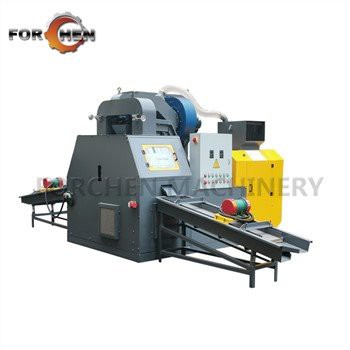 Middle Size Copper Wire Granulator Machine1.Wide applied electric copper wire granulator machine. 2.The copper wire granulator machine could process 2500kg cables per day.. 3.Granulator machine power: . 4.Air separating and gravityAdd to Inquiry


- Mob: +8615313051092
- sales@forchenmachine.com
- Add: No.2106, Henan Chamber of Commerce Building, Fulu Street, Zhongxing Rd, Henan, China
Our cable-granulator-machine, also known as waste wire recycling equipment, is a machine for crushing copper scrap and then separating copper from plastic, and is environmentally friendly. The machine is made of stainless steel, with good granulation effect and clean appearance. Its compact structure makes it very easy to operate and allows the production process to be speeded up efficiently. This time our machine adopts the new national standard copper wire, which is more powerful and can work for a long time. This machine is used in the metal recycling and chemical industries to make the required granules from the mixed materials. It is especially suitable for materials with high viscosity.
The cable-granulator-machine is made of stainless steel for all parts in contact with the material. It has a compact and reasonable structure and does not take up too much space. Our machine will hot cut the material directly into pellets after it has been granulated twice by the screw. The machine cuts the material into full pellets, eliminating the need to remove water and blow dry the material, effectively reducing energy consumption and increasing production efficiency. The finished granules are of uniform size and firmly bonded, avoiding the breakage of granules caused by manual discharge. Due to its high working efficiency, it is now widely used in flowing operations.
What is Cable Granulator Machine?
A Cable Granulator Machine is a specialized piece of equipment designed to process and recycle scrap electrical cables. The primary function of this machine is to separate the valuable materials within the cable, such as copper or aluminum, from the insulating and jacketing materials.
Resource recovery: Cable granulators enable the recovery of precious metals such as copper, aluminum, and gold from old or scrapped electrical cables. This not only conserves finite natural resources but also reduces the need for mining new materials.
Waste reduction: By processing cable waste into granules, the volume is significantly reduced, which makes storage and transportation more manageable and cost-effective. This also minimizes the space required for landfill disposal.
Energy efficiency: Recycling materials requires less energy compared to producing new materials from virgin resources. This energy saving translates into lower carbon emissions and contributes to a greener economy.
Economic benefits: The extracted metals have significant value in the market. Selling these recovered materials can generate revenue for recycling businesses. Additionally, the reduction in raw material costs can benefit manufacturers who use recycled materials in their products.
5Enhanced safety: Properly managed cable recycling processes minimize the risk of hazardous substances leaching into the environment. This includes toxic compounds found in some cable coatings and insulations, thus protecting public health and the ecosystem.
Regulatory compliance: Many regions have stringent regulations regarding electronic waste (e-waste). Cable granulator machines help companies comply with these regulations by providing a means to safely dispose of and recycle cable waste.
Innovation and development: The technology behind cable granulator machines continues to evolve, leading to more efficient separation techniques and higher yields. This innovation drives the development of more sophisticated recycling processes and supports advancements in the broader recycling industry.
Circular economy contribution: The circular economy model promotes the continual use of resources. Cable granulators play a crucial role in this model by ensuring that materials are kept in use for as long as possible, thereby closing the loop in the production cycle.
Public perception: Companies that invest in eco-friendly practices like cable recycling can improve their brand image and reputation among consumers who are increasingly conscious of environmental issues.
Market demand: With growing global demand for sustainable products, recycled materials are becoming more attractive to manufacturers. Cable granulator machines help meet this demand by providing a consistent supply of high-quality recycled metals.
Types of Cable Granulator Machine
Friction granulators
These granulators use friction to break down the cable insulation and expose the conductive core. They are suitable for cables with a high copper content.
Rotating knife granulators
In this type, cables are fed into a chamber where rotating knives shred the cable into smaller pieces. This process is effective for both thin and thick cables.
Hydraulic granulators
Hydraulic power is used to crush the cables, which can be beneficial for handling larger volumes of cable waste and heavier cables.
Pneumatic granulators
Pneumatic force is applied to break down the cable into granules. This method is known for being gentle on the materials and can produce cleaner separation of the metal and non-metal components.
Automatic cable granulators
These are highly automated systems that can sort, shred, and process cables without manual intervention. They often include conveyors, sensors, and advanced control systems to optimize the recycling process.
Manual cable granulators
For smaller operations or when automation is not necessary, manual granulators are available. These require more hands-on labor but can be a cost-effective solution for certain recycling needs.
Cable stripping machines
Although not strictly granulators, these machines strip the insulation off cables before they are granulated. They are often used in conjunction with granulators to improve the efficiency and quality of the recycling process.
Cable cutting machines
These are used primarily to cut cables into smaller, more manageable lengths before they are processed by a granulator.
Electronic waste recycling facilities: These facilities specialize in processing e-waste, including computers, appliances, and other electronic devices. Cable granulators play a vital role in extracting valuable metals from the cables within these devices.
Scrap metal recycling operations: Scrap yards and recycling centers use cable granulator machines to process bulk quantities of scrap metal cables. The recovered metals are sold back into the market, creating a secondary source of raw materials for manufacturing.
Automotive industry: The automotive sector generates a considerable amount of wiring waste during vehicle dismantling. Cable granulators are used to recycle these wires efficiently, extracting metals for reuse.
Construction and demolition: During the demolition of buildings and infrastructure, a significant amount of electrical wiring is removed. Cable granulators are employed to recycle this wire, contributing to the reduction of construction waste.
Cable manufacturing: New cable manufacturing processes may involve the use of recycled materials. Cable granulator machines provide a source of recycled copper, aluminum, and other conductive materials that can be incorporated into new cable production.
Municipal waste management: Local governments and waste management authorities may use cable granulators to handle the electrical waste component of municipal solid waste. This helps in diverting e-waste from landfills and promoting resource recovery.
Telecommunications: The telecom industry regularly upgrades its infrastructure, resulting in a substantial amount of obsolete cable waste. Cable granulators are applied to recycle these materials, ensuring that valuable resources are not lost.
Shipbreaking yards: Ships contain extensive wiring and cabling that must be recycled. Cable granulator machines are used to process this waste effectively, reducing the environmental impact of shipbreaking.

Components of Cable Granulator Machine
Feeding system: This includes mechanisms such as conveyors, hoppers, and sometimes automatic feeders, designed to deliver the cable waste into the granulator. The feeding system ensures a steady and controlled flow of material into the machine.
Grinding or shredding chamber: This is the central part of the granulator where the actual breakdown of the cable occurs. Inside the chamber, there are blades, hammers, or rotating drums that pulverize the cable into smaller fragments.
Cutting blades/knives: These are typically made of hardened steel and are attached to a rotating drum or a fixed shaft within the grinding chamber. The cutting action separates the insulation from the conductive core of the cable.
Separation system: After grinding, the mixture of metal and non-metal particles must be separated. This system may include magnetic belts or drums to attract and remove ferrous metals (like iron and steel), while non-ferrous metals (like copper and aluminum) are collected separately.
Screening mechanism: Screens or sieves with varying mesh sizes are used to sort the granulated material based on particle size. Larger particles may be recirculated back into the grinding chamber for further processing.
Dust extraction system: Processing cables generates dust, which must be controlled to maintain air quality and comply with health and safety regulations. Dust extraction fans and filters are used to capture and remove dust from the work environment.
Control system: Modern cable granulators are equipped with advanced control systems that may include programmable logic controllers (PLCS), Touch screen interfaces, and sensors. These controls manage the operation of the machine, adjust settings as needed, and ensure safe and efficient operation.
Motor and transmission: High-torque motors drive the cutting blades and any other moving parts within the granulator. The transmission system converts the motor's power into the motion required for the cutting and grinding process.
Discharge conveyor: Once the granulation and separation are complete, the final product needs to be transported out of the machine. Discharge conveyors move the sorted materials to storage bins or directly to packaging machinery.
Safety features: These include emergency stop buttons, protective guards, safety interlocks, and alarms to prevent accidents and injuries to operators.

Carbon steel: This is the most commonly used material for the structural framework and body of the cable granulator due to its high tensile strength and relatively low cost. Carbon steel is often treated with surface coatings or paints to protect against rust and corrosion.
Stainless steel: For components that come into contact with the cable material, especially those that need to resist corrosion from chemical reactions with the insulating materials, stainless steel is used. It is particularly important for the cutting blades, as it maintains sharpness and durability over time.
Hardened alloys: Certain parts of the granulator, such as the cutting blades or hammer mills, are made from hardened alloys like high-chromium or tool steels. These alloys are engineered to have high levels of hardness and abrasion resistance, which allows them to withstand the constant impact and friction encountered during the shredding and grinding process.
Cast Iron: Cast iron is used for heavy-duty components that require good wear resistance and damping properties. It is often found in hoppers and other parts that experience repetitive stress but do not require the same level of toughness as cutting edges.
Rubber or polyurethane: These materials are used for linings or covers on certain parts of the machine, such as conveyors or chutes, to prevent damage to the cable material being processed and to minimize noise.
Aluminum: Aluminum is occasionally used for lighter components where weight is a concern, such as in some parts of the conveyance system or for certain covers.
Composite materials: In some cases, composites may be used for select parts due to their unique properties, such as high strength-to-weight ratio or resistance to chemicals.
Plastics and rubbers: For non-structural components like seals, gaskets, and insulators, plastics and rubbers are used due to their flexibility and ability to form tight seals against dust and debris.
Process of Cable Granulator Machine
Feeding: Cables enter the granulator through a feeding mechanism, which could be a conveyor belt or a hopper. The feeder ensures a steady and controlled flow of cable waste into the machine.
Cutting and grinding: Once inside the machine, the cables pass through a cutting or shredding chamber where they are reduced in size. This is achieved by rotating blades or hammers that mechanically break down the cable into smaller pieces. The cutting action separates the insulation from the conductive core.
Size reduction: The initial shredding may not be sufficient to completely liberate the metal from the non-metallic components. Therefore, the material is passed through multiple stages of grinding or further shredding to achieve a finer granulate.
Separation: After the granulation stage, the mixture of metal and non-metal particles must be separated. This is done using a combination of magnetic separation and other methods. Magnetic belts or drums attract and remove ferrous metals (like iron and steel) from the non-ferrous metals (like copper and aluminum).
Non-ferrous metal recovery: Non-ferrous metals are often separated using eddy current separators. These devices exploit the different electrical conductivity of metals to eject non-ferrous metals from the stream of non-metallic material.
Sorting: Depending on the desired purity and grade of the recovered materials, additional sorting steps may be employed. This could involve manual sorting or optical sorting technologies to further refine the separation between different types of materials.
Dust extraction: Throughout the process, dust and fine particulate matter are generated. A dust extraction system captures this material to prevent environmental contamination and ensure operator safety. The extracted dust may contain valuable materials as well and can be processed separately.
Collection and storage: The sorted materials, including the clean metal granules and any non-metallic residues, are then collected. The metals can be sold as scrap while the non-metallic materials can be repurposed or disposed of appropriately.
Control and monitoring: Modern cable granulators are equipped with sophisticated control systems that monitor and regulate the various stages of the process. Programmable logic controllers (PLCS) and touchscreen interfaces allow operators to adjust settings and optimize the granulation process for different types of cable waste.
The efficiency and effectiveness of a cable granulator depend on the proper alignment of these components and the precise control of the process parameters. Regular maintenance is crucial to ensure the machine's performance and the quality of the output materials.
How to Maintain Cable Granulator Machine



Daily maintenance:
●Check for visible signs of damage, such as cracks or excessive wear on the blades and cutting surfaces.
●Clean the machine thoroughly after use to remove any accumulated debris and prevent corrosion. Pay special attention to areas where metal particles may have collected.
●Inspect conveyor belts and rollers for wear and proper tension. Replace or adjust as necessary.
●Lubricate moving parts according to the manufacturer's recommendations to ensure smooth operation and reduce wear.
Weekly maintenance:
●Perform a more detailed inspection of the cutting blades and replace them when necessary. Sharp blades are critical to maintaining productivity and reducing energy consumption.
●Check the alignment of the cutting assembly to ensure it operates correctly without unnecessary vibration.
●Examine the screens and sifting mechanisms for blockages or wear and clean or replace as required.
Monthly maintenance:
●Conduct a comprehensive check of the electrical system, including wiring, motors, and controls, to identify any potential issues before they lead to downtime.
●Review the functionality of the dust extraction system and ensure that filters are clean and fans are functioning properly.
●Check the integrity of the protective coatings and apply fresh paint or anti-corrosive treatments if needed.
Quarterly maintenance:
●Perform a more thorough examination of the machine's structure, looking for any signs of fatigue or stress.
●Inspect bearings, gears, and other critical components for wear and replace them as needed.
Annual maintenance:
●Schedule a complete overhaul of the cable granulator, which may include disassembling and inspecting internal components, replacing worn-out parts, and performing major repairs.
●Calibrate sensors and control systems to ensure accurate operation and compliance with safety standards.
●Review the machine's operational logs and maintenance records to identify trends and areas that may require more frequent attention.
Safety precautions:
●Always disconnect the power supply before performing any maintenance tasks.
●Use appropriate personal protective equipment (PPE), such as safety glasses, gloves, and ear protection.
●Ensure that maintenance personnel are trained and familiar with the specific procedures for the cable granulator.
Selection criteria:
●Type of cable waste: Determine the types of cables you will be processing (e.g., automotive, household, industrial). Some granulators are designed for specific types of cables, so choose one that matches your needs.
●Material recovery quality: If you need high-purity metal, look for granulators with advanced separation technologies, like eddy current separators and dense media separation.
●Throughput capacity: Consider the amount of cable waste you need to process daily or weekly. Select a machine with a suitable capacity to handle your workload efficiently.
●Size and space: Evaluate the available space in your facility and select a granulator that fits within those dimensions.
●Ease of operation and maintenance: Opt for machines that are user-friendly, with clear controls and easy access to components for maintenance and cleaning.
●Safety features: Ensure the granulator has adequate safety features, such as emergency stops, protective guards, and lockouts.
●Budget: Balance the cost of the machine with its capabilities and expected return on investment.
●Manufacturer's reputation: Choose a reputable manufacturer with a history of producing reliable and efficient equipment. Look for after-sales support and service options.
Using the cable granulator:
●Preparation: Before starting, ensure the area around the granulator is clear of obstacles, and all personnel are wearing appropriate PPE.
●Feeding: Feed the cable waste into the granulator at a consistent rate. Overloading can cause jams and damage the machine.
●Adjust settings: Set the granulator according to the type of cable being processed. This may include adjusting blade speed, screen size, and separation settings.
●Monitor operation: Keep an eye on the granulator during operation to detect any unusual sounds or vibrations that might indicate problems.
●Cleaning: Regularly clean the granulator to prevent buildup of debris, which can affect performance and hygiene.
●Maintenance: Follow the manufacturer's recommended maintenance schedule to keep the granulator in good working order.
●Handling output: Properly handle the granulated material and non-metallic residue, ensuring segregation and storage in designated areas.
●Safety compliance: Ensure that all operations comply with local health and safety regulations.
By carefully selecting a cable granulator based on your specific requirements and operating it according to best practices, you can maximize the efficiency, safety, and profitability of your recycling operation.
What Are Common Issues Faced with Cable Granulators?
Cable granulators are machines used for recycling and processing cables by shredding and separating the insulation and metal conductors. Here are some common issues that may be encountered with cable granulators:
Material jams: Insulated cables or other materials can sometimes get stuck in the granulator, causing a jam. This can disrupt the operation and require manual intervention to clear the jam.
Blunt or dull blades: Over time, the blades of the granulator may become blunt or dull, affecting the efficiency of the shredding process. Regular blade maintenance or replacement is necessary.
Maintenance and repair needs: Like any machinery, cable granulators require regular maintenance to ensure optimal performance. This includes lubrication, inspections, and addressing any mechanical or electrical issues that may arise.
Electrical problems: Electrical components such as motors, switches, or wiring can sometimes fail or experience problems, which may require electrical troubleshooting or repairs.
Throughput constraints: The processing speed of a cable granulator may be limited by the size and type of cables being processed, as well as the capacity of the machine.
Dust and noise: The shredding process can generate dust and noise, which may require proper ventilation and noise control measures to ensure a safe working environment.
Material contamination: Cables with contaminants or foreign materials may cause issues during the granulation process, such as clogging or reduced quality of the recycled materials.
Operator error: Improper operation or misuse of the cable granulator can lead to problems. Operator training and following the manufacturer's instructions are important.
Material preparation: Ensuring that the cables are properly prepared before feeding into the granulator, such as removing any attachments or bindings, can prevent feed issues.
Space constraints: Cable granulators can be sizable machines, and ensuring there is sufficient space for installation, operation, and material handling is important.
What Factors Determine the Efficiency of a Cable Granulator?
Material quality: The quality of the cables being processed affects the granulator's efficiency. High-quality materials may require less force to break down and can result in finer granules, which can be more efficiently recycled.
Granulator design: The design of the granulator, including its size, shape, and the arrangement of its cutting blades, determines how effectively it can process cables. A well-designed granulator can handle different types and sizes of cables with ease.
Blade configuration: The configuration of the blades, such as their sharpness, angle, and spacing, plays a crucial role in determining the efficiency of the granulator. Properly configured blades can reduce the energy required to cut the material, thereby increasing efficiency.
Machine speed: The speed at which the granulator operates also affects its efficiency. Faster speeds may increase productivity but could also lead to lower quality output if not controlled properly.
Maintenance: Regular maintenance of the granulator, including cleaning and sharpening the blades, ensures that the machine runs smoothly and efficiently. Neglecting maintenance can lead to decreased performance and higher energy consumption.
Operating conditions: The operating conditions of the granulator, such as temperature and humidity, can affect its efficiency. For example, high temperatures can cause the blades to become dull faster, while excessive humidity can make the material sticky and difficult to process.
Automation level: Automated granulators can operate continuously without human intervention, leading to increased efficiency. Manual granulators, on the other hand, require constant supervision and adjustment, which can slow down the process.
Cable composition: Different cables have different compositions, which can affect the granulator's efficiency. For instance, some cables may contain tougher materials like copper or aluminum, which can be more challenging to grind down.
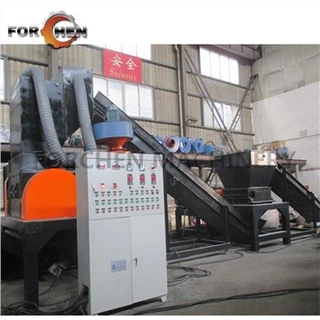
Our Factory
Henan Forchen Machinery Co.,Ltd is professional manufacturer and supplier of scrap metal and plastic recycling machine. Since establishment on year of 2000, Forchen Machinery owns sales team and production center which are located in Henan and Zhejiang province. Our factory covers area of over 20000 square meters, and it is under management of experienced team which mainly includes factory manager, technical department, production department, QC department.

FAQ
Q: What is the primary function of a cable granulator machine?
Q: What materials can be processed by a cable granulator?
Q: How does a cable granulator differ from other recycling equipment?
Q: What is the typical composition of the output from a cable granulator?
Q: What factors determine the efficiency of a cable granulator?
Q: How is the metal separated from the non-metallic components in the granulator?
Q: What safety precautions should be taken when operating a cable granulator?
Q: What maintenance is required for a cable granulator?
Q: What are the common problems encountered with cable granulators?
Q: How is the performance of a cable granulator monitored?
Q: What environmental considerations should be taken into account when using a cable granulator?
Q: How does the size of a cable granulator affect its performance?
Q: Can a cable granulator be customized to meet specific needs?
Q: What factors should be considered when selecting a cable granulator?
Q: What is the expected lifespan of a well-maintained cable granulator?
Q: How does a cable granulator compare to other recycling methods for cables?
Q: What training is required to operate a cable granulator effectively?
Q: What are some best practices for operating a cable granulator?
Q: How does the cost of a cable granulator compare to other recycling equipment?
Q: Where can operators find support and resources for their cable granulators?
As one of the most professional cable granulator machine manufacturers and suppliers in China for over 20 years, we're featured by good service and competitive price. Please rest assured to wholesale high quality cable granulator machine for sale here from our factory.
