

Single Shaft Crusher
Henan Forchen Machinery Co., Ltd is a professional manufacturer and supplier of scrap metal and plastic recycling machines. Since its establishment in the year 2000, Forchen Machinery owns a sales team and production center which are located in Henan and Zhejiang province.
Our factory covers an area of over 20000 square meters, and it is under the management of an experienced team which mainly includes the factory manager, technical department, production department, QC department.
Forchen Machinery mainly supplies the following products: copper wire granulator, cable stripping machine, motor recycling machine, radiator recycling machine, PCB recycle machine, car recycle machine, metal crusher and related accessory equipment. We also provide complete recycling line designing and planning, equipment installation, staff training and regular visiting for domestic and overseas clients.
Forchen has achieved certification of CE, SGS and ISO 9001 for all products and management systems.
Forchen has international advanced CNC laser cutting machines, CNC lathes, shearing bending machines, CNC punch, cutting, drilling, boring machine, and other processing equipment to carry out all kinds of precision manufacturing.
Since our inception, Forchen has rich experience in the recycling field and has been providing products and services to more than 50 countries all over the world. Overseas annual sales is over 10million dollars and keep increasing year by year.
Why Choose Us?
High quality
Our products are manufactured or executed to very high standards, using the finest materials and manufacturing processes.
Competitive Price
We offering a higher-quality product or service at an equivalent price. As a result we have a growing and loyal customer base.
Rich experience
Our company has many years of production work experience. The concept of customer-oriented and win-win cooperation makes the company more mature and stronger.
Global shipping
Our products support global shipping and the logistics system is complete, so our customers are all over the world.
DAfter-sale service
Professional and thoughtful after -sales team, let you worry about us after -sales Intimate service, strong after -sales team support.
Advanced equipment
A machine, tool or instrument designed with advanced technology and functionality to perform highly specific tasks with greater precision, efficiency and reliability.
-
 Single Shaft Metal Crusher Machine1. Automatic control single shaft metal crusher machine.. 2. Applicable for scrap cable wires shredding. . 3. Crushing capability: 1-1.5ton/hourAdd to Inquiry
 -
 Electric Single Shaft Shredder1.Electric single shaft shredder application: scrap metal recycling, nonmetal recycling.. 2.Electric single shaft shredder power: 45KW . 3.PLC control system.Add to Inquiry


- Mob: +8615313051092
- sales@forchenmachine.com
- Add: No.2106, Henan Chamber of Commerce Building, Fulu Street, Zhongxing Rd, Henan, China
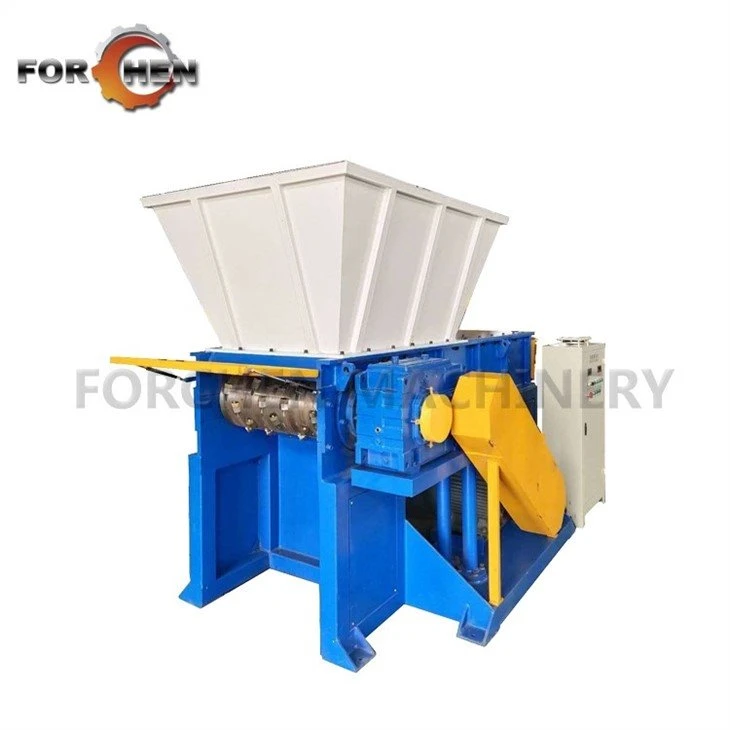
The Single Shaft Crusher is crushing equipment developed according to the needs of fine processing of materials. It can achieve efficient crushing of industrial waste and domestic waste such as waste tires, plastics, wood products, etc. Through the shearing of the machine, the bulk density of the material can be increased, thereby reducing the transportation cost. In addition, the material can be further processed after crushing, such as material separation, cleaning, etc. It is especially suitable for crushing tough or medium-hard materials packed into bundles, such as films, plastic bottles, etc. The Single Shaft Crusher can also be applied to the crushing of coal mines, whether it is pre-transportation from the mine or the use of the user, it needs to be crushed. However, the user must pay attention to the use method when using it, so as to avoid operation errors affecting the service life of the machine.
A single shaft crusher is a type of impactor that uses a single rotor with hammers or bars attached to it to reduce the size of various materials. The rotor spins at a high speed, and as the material enters the crushing chamber, it is struck by the hammers or bars. This action imparts kinetic energy to the material, causing it to fracture along internal lines of weakness.
The crushed material is then thrown against the impact plates or anvils located around the perimeter of the crushing chamber. These impact plates absorb the energy from the impact, further breaking down the material. The material is then ejected out of the crusher through the discharge opening at the bottom.
Benefits of Single Shaft Crusher
High reduction ratio
Single shaft crushers can achieve a high reduction ratio, meaning they can significantly reduce the size of the input material in fewer passes. This is particularly beneficial in applications where space is limited, and there is a need to process large volumes of material quickly.
Energy efficiency
Single shaft crushers are generally considered more energy-efficient than other types of crushers, as they use less power to achieve the same level of material reduction. This can lead to significant cost savings over time and reduced environmental impact.
Versatility
Single shaft crushers can handle a wide range of materials, including hard rock, ore, and concrete. This versatility makes them suitable for use in a variety of industries, such as mining, construction, and waste management.
Low maintenance
Single shaft crushers are relatively easy to maintain, as they have fewer moving parts than other types of crushers. This reduces downtime and increases productivity, while also reducing maintenance costs.
Adjustable product size
Most single shaft crushers have adjustable discharge settings, allowing operators to control the size of the crushed product. This flexibility is beneficial in applications where different product sizes are required.
Reduced wear on components
Single shaft crushers typically experience less wear on their components than other types of crushers, as the material is subjected to less stress and friction during the crushing process. This leads to longer component life and reduced replacement costs.

Impact crushers (horizontal shaft impactors - HSI): These crushers utilize a high-speed rotating impactor mounted horizontally within the crushing chamber. As material enters the chamber, it is struck by the impactor and then thrown against the breaker plate or anvil, causing further fragmentation.
Hammer mills: Hammer mills feature a central rotor with hammers attached to it. The material is crushed as it comes into contact with the hammers, which swing at high speed. The crushed material is then directed towards the grate bars or screens, where it is further reduced in size.
Cage mill crushers: Cage mills consist of a central rotor with multiple rings or cages containing steel balls. The material is crushed as it is caught between the rotating cages and the stationary liners. The action of the cage mill is more attritional than impactful.
Rotor impact crushers: Similar to horizontal shaft impactors, rotor impact crushers have a rotor with pivoting hammers or bars. The material is crushed by both impact and shear as it passes through the crushing chamber, which often contains an adjustable apron to control the final product size.
Ring mill crushers: Ring mills have two large, heavy rings that rotate around a central shaft. The material to be crushed is fed between the rings, which apply significant pressure and shear to reduce the material's size.
Single roll crushers: Although not as common in the single shaft category, single roll crushers consist of one large, toothed roll that crushes material against a flat surface. The roll applies both compression and abrasion to the material.
Aggregate production: In quarries and mines, single shaft crushers are used to produce crushed stone, sand, and gravel for construction purposes. The versatility in controlling product size makes them ideal for creating aggregates of different specifications.
Recycling: For recycling operations, single shaft crushers can process construction and demolition waste, as well as used concrete and asphalt. The resulting recycled aggregates can be reused in new construction projects.
Mining: In mining operations, these crushers are often employed to reduce the size of mined materials before further processing like grinding or flotation. They are also used for the production of mineral concentrates.
Waste management: Single shaft crushers help in the reduction of solid waste volume, preparing it for landfilling or incineration. By crushing bulky waste items, space is saved, and transportation costs are reduced.
Chemical processing: In the chemical industry, these crushers may be used to prepare raw materials for chemical reactions or to reduce the size of materials for better mixing and handling.
Glass recycling: Single shaft crushers can be adapted to handle glass bottles and jars, turning them into cullet for the glass manufacturing process.
Biomass processing: For processing biomass materials like wood chips or agricultural waste, single shaft crushers can reduce the size of the material, making it easier to handle and transport for energy production or composting.
Ore processing: Ores containing valuable minerals are processed through single shaft crushers to liberate the minerals for subsequent extraction processes.
Slag processing: Slag, a by-product of metal smelting, is crushed using single shaft crushers to create slag cement or as a fine aggregate for construction.
Food industry: Certain types of single shaft crushers are used to process food products such as seeds, nuts, and spices into finer particles or pastes.
Components of Single Shaft Crusher
Shaft: The central shaft is the main structural element of the crusher and supports the rotor and other attachments. It is usually made of high-strength steel to withstand the stresses from the rotating components and the impact of the material being crushed.
Rotor: The rotor is connected to the shaft and typically holds the hammer or impactor bars. It rotates at high speed, imparting kinetic energy to the material and breaking it down.
Hammers/impactors/bars: These are mounted on the rotor and strike the material as it enters the crushing chamber. The design and material of these components depend on the type of crusher and the material being processed.
Crushing chamber: This is where material is introduced and subjected to the crushing action. It may contain additional components like grate bars, anvil plates, or screens that control the size of the discharged material.
Drive mechanism: The drive mechanism provides the power necessary to rotate the shaft. It typically includes a motor, pulleys, belts, or couplings.
Feed system: This includes hoppers, conveyors, and sometimes feed regulators that control the flow of material into the crusher.
Discharge system: The discharge system consists of chutes or conveyors that transport the crushed material out of the crusher. It may also include mechanisms for adjusting the discharge opening to control the size of the product.
Lubrication system: To ensure smooth operation and extend the life of moving parts, a lubrication system is used to provide oil or grease to bearings and other components.
Protection devices: These include overload protection systems that shut down the crusher in case of excessive wear, blockage, or mechanical failure.
Frame/housing: The frame or housing encloses all the internal components and provides structural support. It is engineered to absorb the vibrations generated during the crushing process.
Adjustment mechanism: Some single shaft crushers are equipped with an adjustment mechanism that allows operators to change the gap between the rotor and the breaker plate or anvil, thereby altering the size of the crushed product.
Process of Single Shaft Crusher
Feed intake
Material is fed into the crusher either manually or via an automated feeding system, such as a conveyor belt or hopper. The feeder regulates the flow of material into the crusher to maintain a consistent feed rate.
Initial crushing
As the material enters the crushing chamber, it is met by the rapidly spinning rotor carrying hammers or impactors. The high-speed rotation of the rotor imparts significant kinetic energy to the hammers, causing them to strike the material with considerable force. This initial impact helps to break down the larger pieces into smaller fragments.
Secondary crushing
The secondary crushing occurs as the smaller fragments continue to move along the rotor and collide with each other and the surrounding material. This inter-particle collision further reduces the size of the fragments.
Grinding and disintegration
As the material travels through the crushing chamber, it experiences repeated impacts and shearing forces from both the hammers and the material itself. These forces act to grind down the particles and disintegrate them into finer pieces.
Discharge and size control
The now-crushed material moves toward the discharge end of the crusher, where it exits through an adjustable discharge opening. The size of the discharged material can be controlled by adjusting the gap between the rotor and the breaker plate or anvil. Smaller openings result in finer output, while larger openings allow for coarser material to pass through.
Material separation
In some cases, the crushed material may contain a mixture of different sizes. Screens or sieves can be used to separate out the material according to size, allowing for the collection of desired products.
Overload protection
Throughout the crushing process, sensors and protection devices monitor the operational conditions to detect any potential overloads or blockages. If an issue is detected, the system will activate protective measures, such as shutting down the motor or reversing the conveyor, to prevent damage to the equipment.
Maintenance and cleaning
Regular maintenance is crucial for the longevity and efficiency of the single shaft crusher. This includes inspecting and replacing wear parts, such as hammers and liners, as well as cleaning the crushing chamber and other components to remove accumulated material and prevent clogging.
Regular inspections: Conduct routine inspections of all moving parts, including the rotor, hammers, bearings, and gears. Look for signs of excessive wear, cracks, or damage.
Lubrication: Keep all lubrication points well-greased or oiled. Follow the manufacturer's recommendations for lubrication schedules and use the specified types of grease or oil.
Wear part replacement: Monitor the condition of wear parts, such as hammers, anvils, and screens. Replace parts when they show significant wear or before they fail completely to avoid unexpected Stop.
Cleaning: After each operation, clean the crushing chamber and other parts to remove any built-up material. This prevents clogs and ensures efficient crushing.
Alignment checks: Periodically check the alignment of the rotor and other critical components to ensure they are properly aligned. Misalignment can lead to increased wear and reduced efficiency.
Belt tension: For crushers with belt drives, regularly check the tension of the belts and replace them when necessary to prevent slippage and loss of power.
Bearing maintenance: Inspect the bearings for wear and damage. Ensure they are properly lubricated and replace if necessary to avoid failure.
Electrical systems: Regularly inspect the electrical systems, including cables, motors, and controls. Ensure all connections are secure and there are no signs of damage.
Safety checks: Verify that all safety devices are functioning correctly. This includes emergency stop buttons, overload protectors, and warning signals.
Operational log: Keep a log of all maintenance activities, replacements, and repairs. This information can help identify trends and schedule future maintenance tasks more effectively.
How to Choose Single Shaft Crusher
Material type and hardness: Determine the type of material to be crushed, including its hardness, abrasiveness, and moisture content. Different materials may require different types of crushers with specific design features.
Feed size and capacity: Assess the size of the largest pieces of material that need to be processed (feed size) and the maximum amount of material that needs to be crushed per hour (capacity). The crusher must be capable of handling both the size and volume of the feedstock.
Product size requirements: Define the desired size distribution and maximum particle size of the output material. The crusher should be able to produce the required product size efficiently.
Operating conditions: Consider the environmental conditions in which the crusher will operate, such as temperature, humidity, and dust levels, as these factors can affect the choice of materials and design of the crusher.
Durability and wear resistance: Select a crusher with components made from materials that are resistant to wear and tear, particularly if the material being crushed is highly abrasive. High-chrome or manganese steel is commonly used for wear parts.
Energy efficiency: Evaluate the energy consumption of the crusher to ensure it is cost-effective to operate. Energy-efficient models can help reduce running costs over time.
Ease of maintenance: Choose a crusher that is easy to maintain, with components that are accessible for regular inspections, cleaning, and replacement. Quick-release fasteners and modular design can facilitate maintenance.
Safety features: Ensure the crusher has adequate safety features, such as emergency stop buttons, lockout/tagout capabilities, and protective guards, to protect operators and prevent accidents.
Noise and dust control: Consider the noise levels and dust emissions of the crusher and whether any additional control measures are needed to comply with environmental regulations and protect workers' health.
Manufacturer's reputation and support: Research the reputation of the manufacturer and the availability of after-sales support, including spare parts and technical assistance.
Cost: Compare the initial purchase price, operational costs, maintenance costs, and expected lifespan of different models to determine the most cost-effective option.
Influence Factors of Single Shaft Crusher Design


Material characteristics: The type,Hardness, abrasiveness, moisture content, and stickiness of the material to be crushed significantly impact the design. Hard and abrasive materials require more robust construction and stronger wear parts, while moist and sticky materials might necessitate special considerations for discharge and cooling.
Feed size and product size: The size of the input material (feed size) and the desired output size (product size) dictate the dimensions of the crushing chamber and the selection of appropriate hammers or cutting tools.
Throughput capacity: The expected processing volume determines the size of the rotor, the power of the motor, and the overall dimensions of the crusher. Higher throughput capacities may require larger and more powerful machines.
Crushing mechanism: The choice between impact, shear, or attrition crushing mechanisms affects the design of the rotor,Hammerhead shape, and the configuration of the crushing chamber.
Operational conditions: Environmental factors such as temperature, humidity, dust levels, and the presence of corrosive substances influence material choices for the crusher body and components.
Durability and longevity: Wear resistance and mechanical strength are crucial for the life of the crusher. High-strength materials like high-chrome steel or manganese steel are often used for wear parts.
Energy efficiency: Design considerations for energy conservation include optimizing the rotor speed, balancing the mass distribution, and minimizing friction losses.
Maintenance accessibility: Ease of maintenance is vital for reducing downtime. The design should facilitate quick access to wear parts, lubrication points, and service areas.
Safety and environmental regulations: Safety interlocks, emergency stop systems, and dust suppression measures are designed in accordance with industry standards and regulatory requirements.
Economic considerations: The cost of manufacturing, operating, and maintaining the crusher must be balanced against its expected lifespan and performance benefits.
Integration with existing processes: The crusher must fit seamlessly into the existing plant layout and workflow, including considerations for feed and discharge arrangements, and integration with upstream and downstream processes.
Customization: Some applications may require specialized designs, such as dual-shaft configurations for certain materials or integrated screening mechanisms for immediate sizing of the product.
Single shaft crushers and double shaft crushers are types of impact crushers designed for breaking down materials into smaller particles. The primary difference between the two lies in their internal configuration and operational principles:
Single shaft crusher
●It features a single rotor equipped with hammers or bars that revolve around a central axis.
●Material is fed into the chamber and is struck by the rapidly spinning hammers or bars, causing it to shatter upon impact.
●The shattered material then falls onto a fixed anvil or another set of hammers for further reduction in size.
●Single shaft crushers are often used for producing aggregates with a cubic shape, as the impact forces create a more even breakage pattern.
Double shaft crusher
●This type of crusher has two counter-rotating shafts with hammers or teeth mounted on both ends.
●The material is introduced between the two rotors and is subjected to multiple impacts as it travels through the crushing chamber.
●Each impact breaks the material into smaller pieces, which are further reduced in size as they move towards the discharge point.
●Double shaft crushers are particularly effective for handling sticky or moist materials, as the dual-shaft action helps to prevent clogging and maintains a consistent flow of material through the crusher.
In summary, while both single and double shaft crushers utilize the principle of impact to reduce material size, the double shaft configuration provides a more aggressive and efficient reduction due to the double impact action, making it suitable for harder or more challenging materials. Conversely, the single shaft crusher offers simpler maintenance and a more controlled product size distribution, which is beneficial for certain applications requiring a more uniform end product.
How Can I Improve the Efficiency of My Single Shaft Crusher?
To improve the efficiency of a single shaft crusher, consider the following measures:
Proper material feeding: Ensure a consistent and controlled feed rate to avoid overloading the crusher. This will help maintain optimal operating conditions and reduce wear on components.
Maintenance schedule: Regularly inspect and maintain the hammers, anvils, bearings, and other parts of the crusher. Worn parts should be replaced promptly to prevent decreased performance and potential damage to other components.
Hammer design and material: Use high-quality hammers made from durable materials such as manganese steel. The design of the hammers should also be appropriate for the type of material being crushed to maximize impact force and efficiency.
Impact angle adjustment: Adjust the angle of the impact to ensure that material is hitting the hammers at the most effective point. This can improve the energy transfer during impact and increase the efficiency of the crushing process.
Rotor speed optimization: The speed of the rotor can affect the efficiency of the crusher. A speed that is too fast may result in excessive wear and tear, while a speed that is too slow may reduce productivity. Optimizing rotor speed based on the material properties can enhance efficiency.
Crusher lubrication: Keep all moving parts well-lubricated to reduce friction and wear. Proper lubrication can also help in maintaining the integrity of the bearings and prolonging the life of the machine.
Crushing chamber configuration: The configuration of the crushing chamber can affect the efficiency and the final product size. Ensure that the chamber dimensions are appropriate for the desired output size and the material being processed.
Material pre-treatment: If possible, pre-treat the material to remove any contaminants that could cause abrasive wear or clogging within the crusher. This can include sorting out oversized pieces or moisture content reduction.
Automation and control systems: Implement advanced control systems that can monitor the operational parameters of the crusher, such as load, power consumption, and product size distribution. This allows for real-time adjustments to optimize performance.
Energy efficiency: Consider upgrades to more energy-efficient motors or variable frequency drives (VFDS) that allow you to adjust the motor's speed according to the load requirements, thereby saving energy and reducing operating costs.
Our Factory
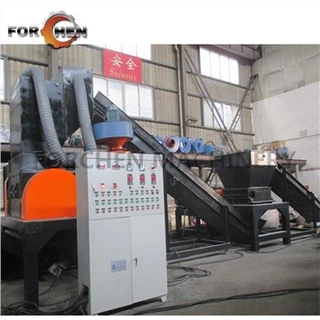
Henan Forchen Machinery Co.,Ltd is professional manufacturer and supplier of scrap metal and plastic recycling machine. Since establishment on year of 2000, Forchen Machinery owns sales team and production center which are located in Henan and Zhejiang province. Our factory covers area of over 20000 square meters, and it is under management of experienced team which mainly includes factory manager, technical department, production department, QC department.

FAQ
Q: What is a Single Shaft Crusher?
Q: How does a Single Shaft Crusher Work?
Q: What are the Key Components of a Single Shaft Crusher?
Q: What are the Advantages of a Single Shaft Crusher?
Q: What Materials can be Crushed with a Single Shaft Crusher?
Q: Where Can I Purchase a Single Shaft Crusher?
Q: What is the Typical Product Size Range for a Single Shaft Crusher?
Q: What is the Operating Principle of a Single Shaft Crusher?
Q: How Can I Reduce Dust Emissions from My Single Shaft Crusher?
Q: How to Maintain a Single Shaft Crusher?
Q: What are the Safety Precautions When Using a Single Shaft Crusher?
Q: How to Choose the Right Single Shaft Crusher for My Application?
Q: What is the Difference Between a Single Shaft Crusher and a Double Shaft Crusher?
Q: Can a Single Shaft Crusher Be Used for Recycling?
Q: What are the Noise Levels Associated with Single Shaft Crushers?
Q: How Long Does a Single Shaft Crusher Last?
Q: What are the Environmental Benefits of Using a Single Shaft Crusher?
Q: Can a Single Shaft Crusher Handle Wet Material?
Q: What is the Role of the Rotor in a Single Shaft Crusher?
Q: What are the Maintenance Challenges of a Single Shaft Crusher?
As one of the most professional single shaft crusher manufacturers and suppliers in China for over 20 years, we're featured by good service and competitive price. Please rest assured to wholesale high quality single shaft crusher for sale here from our factory.
