

Hydraulic Alligator Shear
Henan Forchen Machinery Co., Ltd is a professional manufacturer and supplier of scrap metal and plastic recycling machines. Since its establishment in the year 2000, Forchen Machinery owns a sales team and production center which are located in Henan and Zhejiang province.
Our factory covers an area of over 20000 square meters, and it is under the management of an experienced team which mainly includes the factory manager, technical department, production department, QC department.
Forchen Machinery mainly supplies the following products: copper wire granulator, cable stripping machine, motor recycling machine, radiator recycling machine, PCB recycle machine, car recycle machine, metal crusher and related accessory equipment. We also provide complete recycling line designing and planning, equipment installation, staff training and regular visiting for domestic and overseas clients.
Forchen has achieved certification of CE, SGS and ISO 9001 for all products and management systems.
Forchen has international advanced CNC laser cutting machines, CNC lathes, shearing bending machines, CNC punch, cutting, drilling, boring machine, and other processing equipment to carry out all kinds of precision manufacturing.
Since our inception, Forchen has rich experience in the recycling field and has been providing products and services to more than 50 countries all over the world. Overseas annual sales is over 10million dollars and keep increasing year by year.
Why Choose Us?
High quality
Our products are manufactured or executed to very high standards, using the finest materials and manufacturing processes.
Competitive Price
We offering a higher-quality product or service at an equivalent price. As a result we have a growing and loyal customer base.
Rich experience
Our company has many years of production work experience. The concept of customer-oriented and win-win cooperation makes the company more mature and stronger.
Global shipping
Our products support global shipping and the logistics system is complete, so our customers are all over the world.
DAfter-sale service
Professional and thoughtful after -sales team, let you worry about us after -sales Intimate service, strong after -sales team support.
Advanced equipment
A machine, tool or instrument designed with advanced technology and functionality to perform highly specific tasks with greater precision, efficiency and reliability.
-
 Hydraulic Alligator Shear Machine1. The hydraulic alligator shear is mainly driven by hydraulic power. . 2. Optional shearing force of the hydraulic alligator shear: 63T-500T. 3. Easy installation and operation.Add to Inquiry
 -
 Alligator Shearing Machine1. Wide application allgator shearing machine: metal recycle field, melting factory.. 2. Driving power: electric power, diesel engine. . 3. Vertical type alligator shearing machine.Add to Inquiry
 -
 Industrial Hydraulic Metal Cutting Machine1. Control mode of the metal cutting machine: manual, automatic. . 2. Different size shearing edge for option.. 3. All kind of waste steel,steel wires,copper wires could be processed by the metalAdd to Inquiry


- Mob: +8615313051092
- sales@forchenmachine.com
- Add: No.2106, Henan Chamber of Commerce Building, Fulu Street, Zhongxing Rd, Henan, China
Hydraulic alligator shears adopt hydraulic transmission, which is safer and easier to operate. Compared with the mechanical transmission type shearing machine, this product not only has the advantages of small size, light weight, low inertia, low noise, etc., but also easy to achieve overload protection. The installation of this product does not require anchor screws and can be driven by a diesel engine. Hydraulic alligator shear is suitable for metal recycling and processing, scrapped automobile dismantling, smelting and casting and other industries. It can be used for cold cutting of various steel and metal structural parts to facilitate processing into qualified charge.
What is Hydraulic Alligator Shear?
A hydraulic alligator shear is a heavy-duty piece of industrial equipment used for cutting through metal and other hard materials. The term "alligator" refers to the shape of the machine's cutting blades, which resemble the jaws of an alligator. These jaws open and close to grip the material being cut, providing a secure hold that ensures precise and efficient shearing.
The hydraulic system is the power source that drives the cutting action. It uses a combination of hydraulic cylinders, pumps, and valves to generate the force required to close the jaws with immense pressure. The amount of pressure and the speed of the shearing action can typically be adjusted to accommodate different types and thicknesses of materials.
High force generation: Hydraulic systems are capable of producing very high forces relative to their size. This makes hydraulic alligator shears ideal for cutting through thick, tough materials such as steel, iron, and aluminum.
Precision cutting: The hydraulic mechanism allows for controlled operation, which translates into clean and precise cuts. This is particularly beneficial when dealing with materials that need to be processed further or when aesthetic appearance is a concern.
Efficiency: The ability to adjust the pressure and speed of the shearing action means that hydraulic alligator shears can operate efficiently, minimizing waste and maximizing material yield.
Versatility: These shears can handle a wide range of materials and thicknesses, making them useful in various applications, from recycling to manufacturing.
Durability and longevity: Hydraulic systems are known for their reliability and long service life. With proper maintenance, hydraulic alligator shears can last many years, even with heavy use.
Safety: The enclosed design of the shears reduces the risk of injury compared to manual shears. Additionally, many models come with safety features such as emergency stop buttons and protective guards.
Automation capabilities: Larger hydraulic alligator shears can be integrated into automated systems, which can improve productivity and reduce labor costs.
Reduced operator fatigue: Since the hydraulic system does most of the work, operators do not have to exert significant physical effort, leading to reduced fatigue and the ability to maintain consistent performance throughout the workday.
Maintenance: Although regular maintenance is required, hydraulic systems are generally straightforward to maintain, with most issues being relatively easy to diagnose and fix.
Portability: Smaller hydraulic alligator shears are often designed to be portable, allowing them to be moved around job sites as needed, increasing flexibility and adaptability.
Types of Hydraulic Alligator Shear
Manual hydraulic shears: These are smaller, portable shears that are powered by hand pumps. They are suitable for light-duty applications and are popular among contractors and small workshops.
Foot pedal hydraulic shears: Similar to manual shears but operated by a foot pedal, allowing the user's hands to remain free to position the material. These are also considered portable and are often used in scrap yards and small recycling facilities.
Electric hydraulic shears: These shears are powered by electric motors that drive hydraulic pumps. They are more powerful and less labor-intensive than manual or foot pedal models, making them suitable for medium-duty applications.
Engine-driven hydraulic shears: For remote locations or mobile operations where electricity is not readily available, engine-driven shears are powered by internal combustion engines, usually diesel. They are highly portable and can be used in a variety of environments.
Industrial hydraulic shears: These are large, stationary shears designed for heavy-duty applications in factories and large recycling centers. They can handle thicker materials and higher volumes of work.
Vertical hydraulic shears: These shears have a vertical orientation and are often used for cutting metal sheets and plates. They are commonly found in metal fabrication shops and manufacturing plants.
Horizontal hydraulic shears: Horizontal shears are designed to cut metal bars, profiles, and tubes. They are widely used in metalworking industries where long lengths of material need to be processed.
Automatic hydraulic shears: These shears are equipped with programmable controls that can perform repetitive cutting operations without manual intervention. They increase efficiency and consistency in high-volume production environments.
Shear balers: Combining the functions of a shear and a baler, these machines are used to cut metal and then compact it into bales for easier handling and transportation. They are commonly found in scrap yards and recycling facilities.
Application of Hydraulic Alligator Shear


Scrap recycling: In scrap yards, hydraulic alligator shears are used to cut down large, bulky pieces of metal into smaller, more manageable sections that can be easily loaded and transported. This process helps in recycling metal materials like steel, copper, and aluminum.
Automotive industry: The automotive industry uses hydraulic shears for cutting car bodies, engines, and other metal components during vehicle dismantling and recycling processes.
Construction and demolition: During building demolition, hydraulic alligator shears can be attached to excavators to cut through steel beams, reinforcement bars, and other structural metals, facilitating the safe and efficient removal of debris.
Metal fabrication: In metal fabrication shops, these shears are utilized for cutting metal sheets to the desired size and shape before further processing. They are particularly useful for creating custom metal parts and prototypes.
Manufacturing: Various manufacturing industries use hydraulic alligator shears for trimming, shaping, and cutting materials to specification during the production process.
Agriculture: In the agricultural sector, these shears may be used for cutting fencing, machinery parts, and other metal structures that require maintenance or replacement.
Shipbuilding and maritime industry: Shipyards use hydraulic alligator shears for cutting metal plates, beams, and other components during the construction, repair, and decommissioning of ships and other maritime vessels.
Waste management: Hydraulic shears play a role in waste management facilities, where they are used to cut through metal waste and prepare it for recycling or disposal.
Blacksmithing: Artisanal blacksmiths may use smaller, portable hydraulic alligator shears for cutting metal rods, bars, and sheets to create intricate designs and functional items.
Mining: In mining operations, these shears can be used to cut through metal support structures, piping, and other components that need to be repaired or replaced underground.
Frame (or body): This is the main structure of the shear, providing support for all other components. It is typically made from heavy-duty steel to ensure durability and stability under load.
Blades (jaws): The blades are the cutting surfaces of the shear, designed to close around the material to be cut. They are usually made from high-grade tool steel or another wear-resistant material to withstand repeated impacts and abrasion. The upper and lower blades are precisely aligned and may incorporate a slight offset to improve cutting efficiency.
Hydraulic cylinder: The hydraulic cylinder is responsible for generating the force needed to close the blades. It converts the pressure of the hydraulic fluid into linear motion, pushing the piston rod, which in turn applies force to the blades.
Piston rod: The piston rod is connected to the blades and moves linearly when actuated by the hydraulic cylinder. It translates the hydraulic pressure into mechanical force to clamp and cut the material.
Hydraulic pump: The pump is the heart of the hydraulic system, responsible for moving hydraulic fluid under pressure. It is driven either manually, electrically, or by an engine to generate the flow required by the hydraulic cylinder.
Valves: Valves control the flow of hydraulic fluid within the system, regulating the direction, pressure, and volume. They ensure that the blades open and close as needed and that the system operates efficiently and safely.
Reservoir: The reservoir stores the hydraulic fluid and provides a place for the fluid to return after being used in the cylinder. It also contains filters to remove contaminants and a breather to maintain proper fluid level and prevent air ingress.
Hoses and fittings: Hoses connect the various components of the hydraulic system, transmitting pressurized fluid from the pump to the cylinder and back to the reservoir. Fittings secure the hoses to the components and ensure a leak-free connection.
Control system: This may include levers, pedals, switches, or electronic controls that allow the operator to command the movement of the blades. Automatic shears might have more complex control systems with sensors and programmable logic.
Safety devices: Safety features such as emergency stop buttons, overload protection, and blade guards are essential to prevent accidents and ensure the safety of operators and bystanders.
Material of Hydraulic Alligator Shear
Steel
High-strength steel is the most common material for the frame and blades of hydraulic alligator shears. Carbon steel is often used for its excellent tensile strength and hardness. For even greater toughness and resistance to fatigue, alloy steels containing elements like manganese, chromium, and vanadium are employed.
Tool steel
The blades, in particular, are commonly made from specialized tool steels such as H13 or D2, which offer superior hardness and edge retention. These steels can withstand repeated impacts and high stress without deforming or fracturing.
Heat treatment
To enhance the performance of the steel components, heat treatment processes like quenching and tempering are applied. This increases the hardness and toughness of the metal, improving its resistance to wear and extending the life of the shears.
Cast iron
For some components that require good vibration dampening properties and rigidity, cast iron may be used. It's particularly suitable for heavy-duty applications where shock absorption is important.
Aluminum
Lighter components, such as parts of the control system or protective covers, may be made from aluminum alloys to reduce overall weight and make the shear more maneuverable.
Stainless steel
Certain parts that come into contact with corrosive substances or require resistance to rust may be manufactured from stainless steel. This material is especially useful in environments with high humidity or exposure to chemicals.
Rubber and plastics
Rubber bushings and seals, as well as plastic components, are used for their wear resistance and ability to provide a seal against hydraulic fluids. These materials help in preventing leaks and ensuring smooth operation of the shear.
Nylon and other composites
Nylon gears and composite materials may be used in the transmission system due to their self-lubricating properties and resistance to wear, reducing the need for maintenance and increasing service life.
Preparation: Before using the hydraulic alligator shear, it is essential to inspect the machine for any signs of damage or wear. Check the blades for sharpness and alignment, and verify that all safety devices are in place and functioning correctly. Ensure that the hydraulic system is filled with the appropriate fluid and that there are no leaks.
Setting up: Place the alligator shear on a stable surface. If the shear is mobile, make sure it is locked down or stabilized to prevent movement during operation. Adjust the opening height of the blades according to the thickness of the material to be cut.
Positioning material: Feed the material to be cut into the jaws of the shear. Depending on the size and type of material, this may require manual placement or the use of machinery like a forklift or loader. Ensure that the material is positioned securely and that no part of it extends beyond the blades.
Activating the shear: Operate the control mechanism to close the blades around the material. This is typically done by pressing a lever or foot pedal connected to the hydraulic valve system. The hydraulic pump generates pressure, driving the piston rod and causing the blades to move towards each other.
Cutting action: As the blades close, they apply a significant amount of force to the material. The design of the blades allows them to penetrate and shear through the material, separating it along the line of the jaws. The speed and precision of the cutting action depend on the power of the hydraulic system and the sharpness of the blades.
Ejection and removal: After the material has been cut, the blades open automatically or are opened manually by the operator. The severed piece is then ejected from the shear, allowing for easy removal and disposal.
Cycle repeats: The process is repeated for additional pieces of material until the desired amount of cutting is completed. It is crucial to allow the shear time to reset between cycles to avoid overheating and to ensure consistent performance.
Shutdown and maintenance: Once the cutting task is finished, shut down the hydraulic alligator shear by releasing the control mechanism and allowing the blades to open fully. Turn off the power source and hydraulic pump. Clean the shear and inspect the blades and other components for wear. Perform regular maintenance tasks such as sharpening the blades, checking fluid levels, and lubricating moving parts to ensure optimal performance and longevity of the equipment.

How to Maintain Hydraulic Alligator Shear
Daily inspection: Before starting work, inspect the shear for any visible damage, such as dents, cracks, or excessive wear on the blades and housing. Check for leaks in the hydraulic system and ensure that all safety features are intact and operational.
Regular lubrication: Apply lubricant to all moving parts, including hinges, pins, and bearings, to minimize friction and prevent premature wear. Follow the manufacturer’s recommendations for the type of lubricant to use.
Blade maintenance: Keep the blades sharp and properly aligned. Dull blades increase the risk of slippage and can cause the material to tear rather than cut cleanly, which puts additional stress on the machine. Regular sharpening or replacement of blades is necessary to maintain cutting efficiency.
Hydraulic fluid check: Regularly check the hydraulic fluid level and condition. Top up the fluid if necessary and change it at the intervals recommended by the manufacturer to prevent contamination and ensure proper system performance.
Filter and strainer changes: Change the hydraulic filter and strainers regularly to remove particles that could damage the system. Contaminated fluid can lead to system failures and costly repairs.
Pressure testing: Periodically test the hydraulic system under pressure to detect leaks and weaknesses. This can be done using hydraulic pressure testers or following a visual inspection after operating the shear.
Cleaning: Keep the shear clean and free of debris. Wipe down the exterior with a cloth, remove any buildup of material from the blades, and clean out the collection area where cut materials accumulate.
Storage: When not in use, store the hydraulic alligator shear in a dry, covered area to protect it from the elements. This prevents rust and deterioration of the metal components.
Training and operation: Ensure that only trained personnel operate the hydraulic alligator shear. Improper use can lead to increased wear and potential accidents.
Service and repairs: Schedule regular professional servicing to identify potential issues before they become major problems. Promptly repair any malfunctions to avoid further damage to the machine.

Material type and size: Determine the types and sizes of materials you will be cutting. Different alligator shears are designed for various applications, such as cutting metal sheets, bars, angles, or even scrap metal. Choose a model that can handle the largest and toughest materials you intend to process.
Blade power and capacity: Look at the blade power and capacity of the shear. The power rating indicates how much force the shear can exert, while the capacity refers to the maximum size of the material that can be cut. Ensure that these specifications match your requirements.
Blade material: The quality of the blade material directly affects the cutting performance and durability. High-grade steel or alloy blades will last longer and provide cleaner cuts. Consider the hardness, toughness, and wear resistance of the blade material.
Hydraulic system: The hydraulic system is the heart of the alligator shear. Evaluate the system's reliability, power, and efficiency. A good hydraulic system will deliver consistent performance and require less maintenance.
Safety features: Safety should always be a top priority. Check for features such as emergency stop buttons, blade guards, and lockout/tagout capabilities. These features help prevent accidents and ensure safe operation.
Manufacturer's reputation: Research the reputation of the manufacturers. Choose a brand known for quality, reliability, and customer service. Reading reviews and testimonials can provide insights into the performance and durability of their products.
Ease of maintenance: Consider the ease of maintenance when selecting a hydraulic alligator shear. Machines that are designed for easy access to components and regular maintenance will save time and money in the long run.
Portability: If you need to move the shear between different job sites, look for a portable model that is lightweight and equipped with wheels or a lifting hook.
Price and warranty: Compare prices and warranties across different models and manufacturers. A higher price may indicate better quality and longer-lasting performance, but it's also important to find a balance that fits your budget. A comprehensive warranty can provide peace of mind and protection against defects or malfunctions.
By carefully evaluating these factors, you can choose a hydraulic alligator shear that meets your specific needs, delivers reliable performance, and provides a good return on your investment.
Influence Factors of Hydraulic Alligator Shear Design
Material handling capacity: The design must accommodate the size and weight of the materials to be cut. This includes the thickness of the metal, the length of the cut, and any other relevant dimensions.
Blade design: The blades are critical components of an alligator shear. They must be designed for optimal cutting performance, which includes the shape, angle, and material of the blades. Blade life and ease of replacement are also important considerations.
Hydraulic system: The hydraulic system must be capable of delivering the necessary power and speed for the intended cutting operations. The selection of pump, valves, cylinders, and hoses must take into account the desired cutting force, cycle times, and overall system efficiency.
Force distribution: The way force is distributed across the blades affects both cutting performance and structural integrity. The design should ensure even distribution to prevent uneven wear and potential failure.
Safety features: Safety is paramount in the design of hydraulic alligator shears. Features such as emergency stop buttons, interlock switches, blade guards, and protective casings should be incorporated to minimize the risk of injury to operators.
Ergonomics and accessibility: The design of the controls, leverages, and access points should be ergonomic, allowing operators to use the equipment comfortably and safely. Easy access to maintenance points is also important.
Durability and reliability: The choice of materials and construction methods should ensure the alligator shear can withstand the rigors of daily use. Durability impacts the longevity of the machine and its ability to maintain precision over time.
Portability: If the shear will be used in different locations, the design should include features that make it easy to transport, such as a wheeled base or a compact size.
Maintenance and serviceability: The design should facilitate routine maintenance tasks, such as oil changes, blade sharpening, and filter replacements. Quick access to hydraulic components for servicing can reduce downtime.
Environmental considerations: The impact of the shear on the environment should be considered during design. This includes minimizing noise, vibration, and emissions, as well as designing for energy efficiency.
Cost: Cost constraints often influence the design process. The goal is to balance cost with performance, ensuring that the design results in a product that is affordable yet still meets the necessary specifications.
Compliance with standards: The design must comply with industry standards and regulations to ensure that the product is safe for use and can be sold in the targeted markets.
The invention of the hydraulic alligator shear is not attributed to a single person but rather is the result of advancements in hydraulic technology and machinery design over time. Hydraulic systems themselves were developed by multiple inventors throughout the 19th century, with significant contributions from Joseph Bramah in England and Jerome Lyle Case in the United States.
The concept of using hydraulic power to operate machinery became more widespread in the early 20th century. As the technology matured, it was applied to various tools and machines, including metal-cutting shears. The alligator shear, specifically, is a type of metal-shearing machine that uses hydraulic pressure to open and close its jaws and cut through metal stock.
The modern hydraulic alligator shear, as it is known today, likely evolved from earlier mechanical and manual shears. The integration of hydraulic technology improved the efficiency and power of these shears, making them suitable for heavy-duty industrial applications. Over the years, many companies have contributed to the development and refinement of hydraulic alligator shears without a clear record of a single inventor responsible for the original concept.
As with many industrial tools, the evolution of the hydraulic alligator shear is a testament to the ongoing innovation in engineering and the cumulative efforts of numerous engineers, inventors, and manufacturers who have improved upon the design over time.
Our Factory
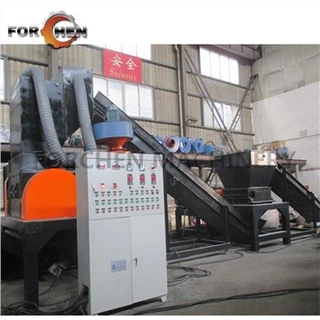
Henan Forchen Machinery Co.,Ltd is professional manufacturer and supplier of scrap metal and plastic recycling machine. Since establishment on year of 2000, Forchen Machinery owns sales team and production center which are located in Henan and Zhejiang province. Our factory covers area of over 20000 square meters, and it is under management of experienced team which mainly includes factory manager, technical department, production department, QC department.

FAQ
Q: What is a Hydraulic Alligator Shear?
Q: How does a Hydraulic Alligator Shear Work?
Q: What Materials Can Be Cut with a Hydraulic Alligator Shear?
Q: **What Are the Benefits of Using a Hydraulic Alligator Shear?**
Q: What Are the Safety Precautions When Using a Hydraulic Alligator Shear?
Q: How Do You Maintain a Hydraulic Alligator Shear?
Q: Can a Hydraulic Alligator Shear Be Used for Demolition?
Q: What Are the Different Sizes of Hydraulic Alligator Shears?
Q: How Do You Choose the Right Hydraulic Alligator Shear?
Q: What Is the Difference Between a Hydraulic Alligator Shear and a Hydraulic Metal Shear?
Q: What Is the Average Lifespan of a Hydraulic Alligator Shear?
Q: Can a Hydraulic Alligator Shear Be Used for Recycling?
Q: How Much Does a Hydraulic Alligator Shear Cost?
Q: Where Can You Buy a Hydraulic Alligator Shear?
Q: Are There Any Restrictions on Using a Hydraulic Alligator Shear?
Q: What Are the Common Applications of Hydraulic Alligator Shears?
Q: What Is the Maximum Cutting Thickness for a Hydraulic Alligator Shear?
Q: What Are Some Advanced Features of Modern Hydraulic Alligator Shears?
Q: Can a Hydraulic Alligator Shear Be Used with Other Tools?
Q: What Is the Importance of Blade Selection for a Hydraulic Alligator Shear?
As one of the most professional hydraulic alligator shear manufacturers and suppliers in China for over 20 years, we're featured by good service and competitive price. Please rest assured to wholesale high quality hydraulic alligator shear for sale here from our factory.
