

Motor Stator Separator
Henan Forchen Machinery Co., Ltd is a professional manufacturer and supplier of scrap metal and plastic recycling machines. Since its establishment in the year 2000, Forchen Machinery owns a sales team and production center which are located in Henan and Zhejiang province.
Our factory covers an area of over 20000 square meters, and it is under the management of an experienced team which mainly includes the factory manager, technical department, production department, QC department.
Forchen Machinery mainly supplies the following products: copper wire granulator, cable stripping machine, motor recycling machine, radiator recycling machine, PCB recycle machine, car recycle machine, metal crusher and related accessory equipment. We also provide complete recycling line designing and planning, equipment installation, staff training and regular visiting for domestic and overseas clients.
Forchen has achieved certification of CE, SGS and ISO 9001 for all products and management systems.
Forchen has international advanced CNC laser cutting machines, CNC lathes, shearing bending machines, CNC punch, cutting, drilling, boring machine, and other processing equipment to carry out all kinds of precision manufacturing.
Since our inception, Forchen has rich experience in the recycling field and has been providing products and services to more than 50 countries all over the world. Overseas annual sales is over 10million dollars and keep increasing year by year.
Why Choose Us?
High quality
Our products are manufactured or executed to very high standards, using the finest materials and manufacturing processes.
Competitive Price
We offering a higher-quality product or service at an equivalent price. As a result we have a growing and loyal customer base.
Rich experience
Our company has many years of production work experience. The concept of customer-oriented and win-win cooperation makes the company more mature and stronger.
Global shipping
Our products support global shipping and the logistics system is complete, so our customers are all over the world.
DAfter-sale service
Professional and thoughtful after -sales team, let you worry about us after -sales Intimate service, strong after -sales team support.
Advanced equipment
A machine, tool or instrument designed with advanced technology and functionality to perform highly specific tasks with greater precision, efficiency and reliability.
-
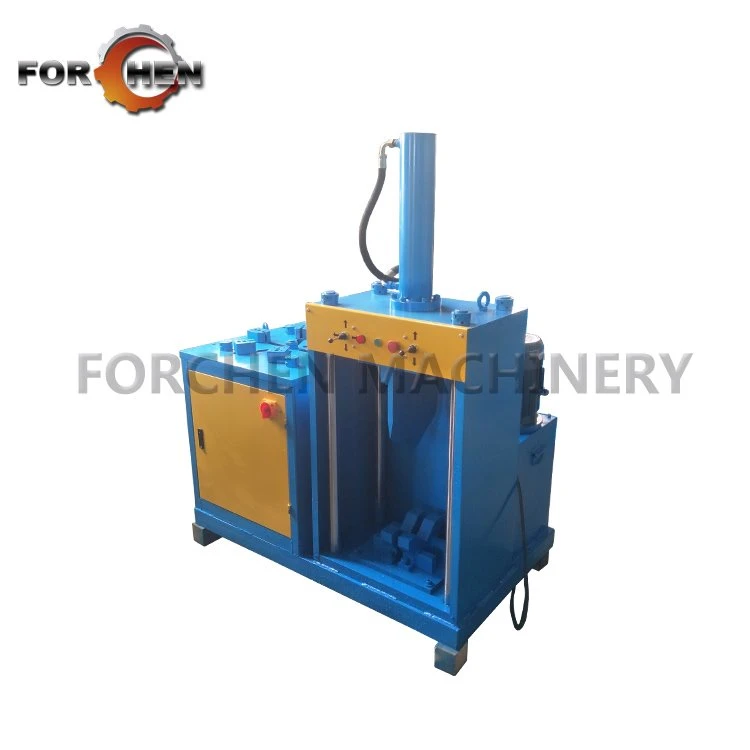
 Scrap Motor Wrecker Machine1. The motor wrecker machine is with hydraulic power. . 2. Motor cover and stator cover could be cut by the motor wrecker machine.. 3. Total power: 4KWAdd to Inquiry
 -
 Motor Stator Separator Machine1. Processing capability of the motor stator separator machine: 8-30pieces/hour. 2. Applicable stator diameter: 8-30cm . 3. Warranty period: 18 months.Add to Inquiry


- Mob: +8615313051092
- sales@forchenmachine.com
- Add: No.2106, Henan Chamber of Commerce Building, Fulu Street, Zhongxing Rd, Henan, China
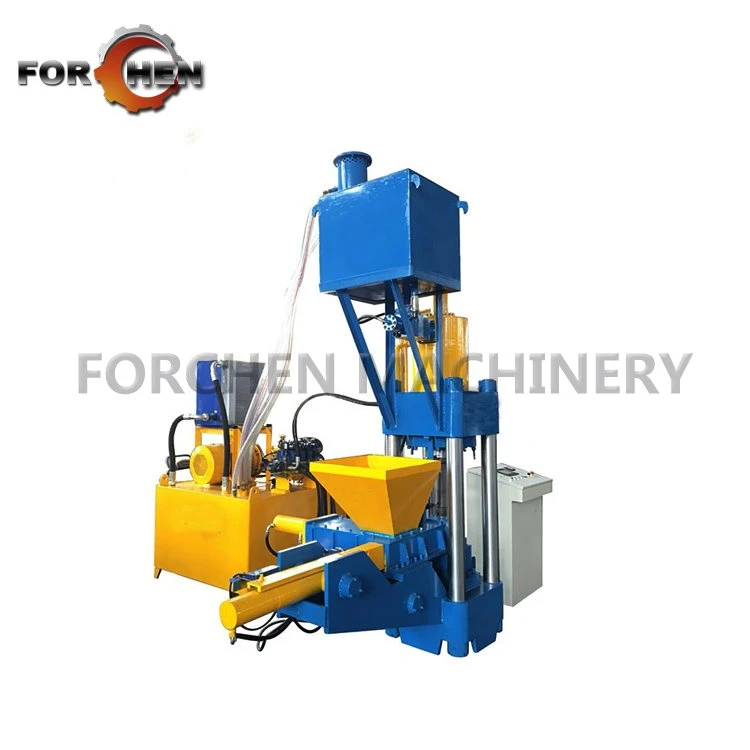
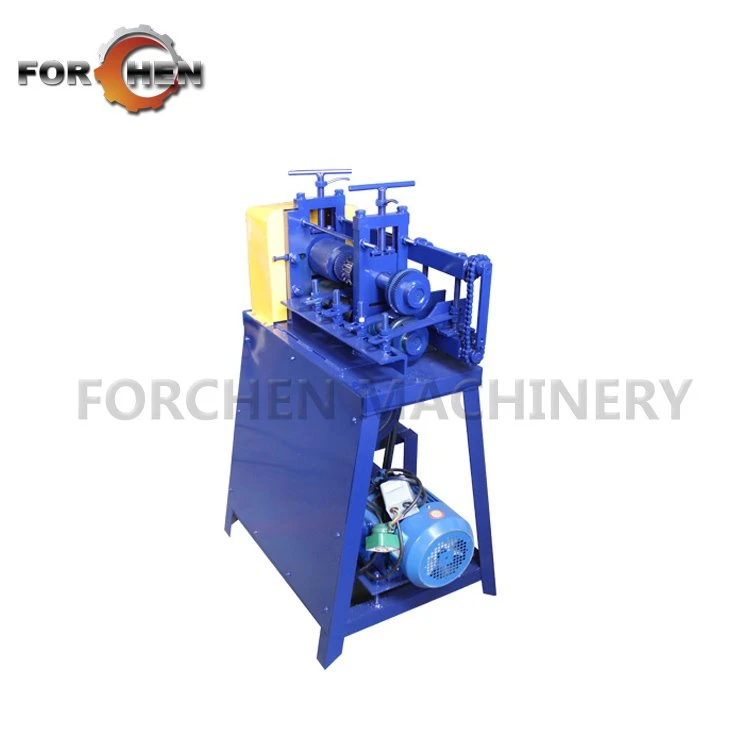
The Motor Stator Separator is mainly used for the treatment and recycling of scrapped motor stator packages, wire packages, stators, and small transformers below 20 cm. The recovery rate is as high as 99%, and the work efficiency is high. The product is controlled by PCL control system, so that the whole system and equipment work together. The product has the advantages of simple structure, reasonable layout, stable operation, sturdy and durable, high efficiency, low vibration and low noise. The product adopts double-roller design, which has the advantages of low noise, large torque and large crushing cavity. After special processing, it has a wide crushing range and can easily crush and shred materials of different specifications.
A motor stator separator is a component designed to maintain clearance between the stator windings and the stator core or other parts within an electric motor. The primary function of this separator is to ensure that the magnetic field generated by the current flowing through the stator windings is efficiently transferred to the rotor without any physical contact, which could cause short circuits, mechanical damage, or loss of efficiency.
The separator is typically made of an insulating material that can withstand high temperatures and electrical stresses. It is placed between the layers of windings or around the individual coils to electrically isolate them from each other and from the stator core. This isolation is crucial for maintaining the integrity of the electrical insulation system and preventing arcing or electrical breakdown that could lead to motor failure.
Electrical insulation: The primary function of a stator separator is to electrically isolate the stator windings from each other and from the stator core. This insulation prevents short circuits, which could lead to motor failure and potential safety hazards.
Heat management: By facilitating airflow around the stator windings, stator separators aid in heat dissipation. Effective heat management is crucial for maintaining the motor's efficiency and longevity, as excessive heat can degrade insulation and reduce the life of the motor.
Mechanical support: Stator separators help hold the stator windings in place, maintaining alignment and structural integrity under the operational forces within the motor. This support minimizes the risk of mechanical damage due to vibration or movement.
Enhanced efficiency: Proper insulation and support provided by stator separators enable the motor to operate at peak efficiency by ensuring that the magnetic field generated by the stator windings is effectively transferred to the rotor without losses.
Reduced maintenance: With the protection offered by stator separators, motors can experience fewer failures and require less frequent maintenance. This can translate into cost savings and reduced downtime for repair or replacement.
Increased reliability: The insulation and mechanical support provided by stator separators contribute to the reliability of the motor, as they help prevent common causes of motor failure, such as insulation breakdown and winding displacement.
Safety compliance: Stator separators are essential for meeting safety standards and regulations. They help prevent electrical shocks and fires by ensuring that the motor remains safely insulated during operation.
Versatility: Stator separators can be tailored to suit different motor designs and operating conditions, accommodating a wide range of voltages, temperatures, and mechanical stresses.
Paper separators
Paper is one of the most commonly used materials for stator separators due to its good insulation properties and relatively low cost. It comes in various grades, such as Nomex, which provides enhanced thermal resistance and dimensional stability. Paper separators are typically used in medium and high-voltage applications.
Mica separators
Mica offers excellent electrical insulation properties and can withstand high temperatures. It is often used in high-temperature and high-pressure environments. Mica separators are either bonded (with adhesives) or unbonded (using mechanical fasteners).
Glass fiber separators
Glass fibers provide excellent insulation and mechanical strength. They are resistant to moisture and chemicals, making them suitable for harsh environments. Glass fiber separators are often used in outdoor or industrial settings.
Polyimide film separators
Polyimide films like Kapton offer outstanding thermal stability and electrical insulation. They are thin, flexible, and can withstand high temperatures without degrading, making them ideal for applications where space is limited and thermal stress is high.
Synthetic resin bonded separators
These separators are made by impregnating paper with synthetic resins to improve their mechanical strength and resistance to moisture and chemicals. They are suitable for applications requiring enhanced durability.
Wound separators
Wound separators are made by winding a thin insulation material around the conductor. This type of separator is often used in high-voltage motors and provides good electrical insulation with minimal added bulk.
Vapor-phase infiltrated (VPI) separators
VPI technology involves impregnating the stator core and windings, including the separators, with a resin under vacuum and heat. This process enhances the insulation system's ability to withstand environmental stresses and improves the overall integrity of the motor's windings.
Industrial motors: In industrial settings, motors are used for a variety of tasks, such as pumping, compressing, moving machinery, and power generation. Stator separators ensure that these motors can handle the demands of continuous operation in potentially harsh environments without failing prematurely.
HVAC systems: Heating, ventilation, and air conditioning systems rely on electric motors for fans and pumps. Stator separators help these motors operate efficiently and reliably, contributing to the overall performance of HVAC systems.
Automotive industry: Electric motors are prevalent in modern vehicles for functions such as power steering, braking, and various auxiliary systems. Stator separators help protect these motors from the high temperatures and vibrations encountered in automotive applications.
Aerospace and defense: Aircraft and military equipment use specialized motors, and the stator separators in these motors must withstand extreme conditions, including rapid changes in temperature and pressure.
Energy sector: Motors play a crucial role in energy production, whether it's hydroelectric, wind, or solar power plants. Stator separators help ensure that the motors in these facilities operate reliably and efficiently.
Marine applications: Ships and offshore platforms use electric motors for propulsion and various onboard systems. Stator separators are essential in these environments to protect against corrosion and moisture ingress.
Manufacturing equipment: Robots, conveyors, and other manufacturing equipment depend on motors. Stator separators help maintain the precision and consistency of these systems by ensuring that the motors do not fail due to electrical or mechanical issues.
Electric vehicles (EVS): The growing EV market relies heavily on electric motors for propulsion. Stator separators in EV motors must be lightweight, durable, and capable of withstanding the high temperatures generated during operation.
Consumer appliances: From refrigerators and washing machines to dishwashers and air purifiers, consumer appliances contain small electric motors that benefit from the protective qualities of stator separators.
Components of Motor Stator Separator

A motor stator separator is an integral component of the stator assembly within an electric motor. Its primary function is to electrically isolate the individual turns of wire (coils) within the stator windings to prevent short circuits and to maintain the magnetic field necessary for the motor to function. The components of a motor stator separator typically include:
Insulating material: The core material of a stator separator is usually a high-quality insulator. Common materials include various grades of paper, such as Nomex, mica, glass fibers, polyimide films, or composite materials specifically designed for electrical insulation.
Adhesive layer: Some stator separators may incorporate an adhesive layer to bond the insulating material to the stator windings. This layer ensures that the separator remains firmly attached during operation, even under conditions of vibration and thermal cycling.
Binding tape or thread: Depending on the construction, the insulating material may be reinforced with binding tape or thread to enhance its mechanical strength and to hold the windings together securely.
Spacer elements: Spacers are used to create gaps between the layers of windings, maintaining proper coil spacing and ensuring that the magnetic field is uniformly distributed throughout the stator core.
Varnish coating: After assembly, the stator windings, including the separator, are often coated with a varnish to provide additional insulation and protection against moisture and environmental contaminants. This also helps to secure the separator materials firmly to the windings.
End wraps: At the ends of the stator windings, end wraps are used to cover and insulate the terminations of the wire turns. These wraps are crucial for preventing short circuits at the points where the wires enter and exit the stator slots.
Lead wires and terminals: While not part of the separator itself, lead wires and terminals are connected to the stator windings and may be insulated by the stator separator material. They are responsible for conducting current to and from the windings.
Material of Motor Stator Separator
Mica
Mica is a naturally occurring mineral that has exceptional insulating properties and can withstand high temperatures without degrading. It is often used in its sheet form or as a mica tape, which is impregnated with a resin for added durability and flexibility.
Nomex® (polyaramid fiber)
Nomex is a synthetic aramid fiber developed by DuPont. It is known for its high-temperature resistance, excellent mechanical strength, and chemical stability. Nomex papers and boards are widely used in the motor industry for stator separators.
Polyimide film
Polyimide, such as Kapton, is a polymer film that offers superb thermal stability, electrical insulation, and flexibility. It can withstand high voltages and temperatures, making it suitable for use in stator windings.
Glass fiber
Glass fibers are used to create glass cloth or mat, which can be impregnated with resins to form composite materials. These composites provide good insulation, dimensional stability, and resistance to moisture and chemicals.
Aramid fibers
Besides Nomex, other aramid fibers like Kevlar can be used for their strength and heat resistance. These fibers can be woven into fabrics or formed into tapes and incorporated into stator separators.
Varnishes and resins
Epoxy, polyester, and other types of resins are used to coat or impregnate insulation materials. They provide additional insulation, adhesion, and protection against environmental factors.
Teflon® (polytetrafluoroethylene, PTFE)
Teflon is known for its non-stick properties and high thermal resistance. It can be used as a coating or in thin film form to provide a barrier against chemicals and moisture.
Cotton papers
Traditional motor windings might use specially treated cotton papers as insulators. Although less common in modern motors, they offer good insulation properties and are economical.
Material preparation: The first step involves selecting and preparing the appropriate insulating materials based on the motor's specifications. This could include cutting mica sheets, unrolling Nomex paper, or preparing glass fibers.
Forming the separator: The insulating material is cut and shaped to fit the dimensions of the stator slots. For materials like mica or Nomex, this may involve cutting them into strips or tabs of the correct width and length. For glass fibers, the fibers are woven into a fabric or formed into a mat.
Application of adhesives: If required, an adhesive layer is applied to the insulating material to help it bond to the stator windings. This is particularly important for materials that will later be impregnated with resin.
Slot insulation: The prepared separator material is carefully inserted into the slots of the stator laminations. This requires precision to ensure that each turn of the winding is properly separated and that there is no overlap or gap between the insulating materials.
Winding and turn insulation: The stator windings are then installed in the slots, and individual turns of wire are insulated with the separator material. This may involve using end wraps at the start and end of each coil to prevent short circuits.
Resin impregnation: Many stator separators are impregnated with resin to improve their insulation properties and mechanical strength. This is done by vacuum impregnation or a similar method, which ensures that the resin penetrates all the spaces within the winding assembly.
Curing: After impregnation, the stator assembly is subjected to a curing process to solidify the resin. This could involve heating the assembly to a certain temperature for a specified time, depending on the type of resin used.
Final inspection and testing: Once the resin has cured, the stator is inspected for any defects, such as air pockets, voids, or excess resin. Electrical tests, such as continuity tests and partial discharge tests, are conducted to ensure the integrity of the insulation system.
Assembly: The completed stator assembly, including the separator, is then integrated into the motor, along with the rotor and other components.
Finishing touches: Final touches may include adding lead wires, terminals, and connectors, as well as coating the windings with a varnish for additional protection against environmental factors.
How to Maintain Motor Stator Separator
Regular inspections: Perform visual inspections to check for any signs of damage or wear, such as cracks, charring, or discoloration. Pay special attention to areas where the separator is in direct contact with the stator windings or cooling system.
Cleaning: Keep the motor clean, especially around the stator. Use compressed air or a soft brush to remove dust and debris that could penetrate the separator material and compromise insulation. Avoid using water or liquid cleaning agents unless specified by the manufacturer.
Thermal monitoring: Use thermographic imaging or other temperature monitoring devices to detect hot spots that could indicate overheating of the stator windings or separator. Overheating can degrade insulation over time.
Vibration analysis: Excessive vibration can cause physical damage to the stator and separator. Regularly monitor vibration levels and address any issues with motor balance or alignment promptly.
Avoid mechanical impact: Protect the motor from mechanical shocks and impacts that could damage the stator and separator. Ensure that the motor is securely mounted and that there is no excessive movement during operation.
Proper voltage and current levels: Operate the motor within its specified voltage and current range. Exceeding these limits can cause overheating and premature failure of the insulation system.
Cooling system maintenance: Ensure that the motor's cooling system is functioning correctly. Cooling fans, pumps, and ducts should be regularly inspected and maintained to prevent overheating of the stator and separator.
Moisture control: Keep the motor dry and avoid exposure to Damp environments. Moisture can significantly reduce the effectiveness of insulation materials and lead to corrosion or short circuits.
Resin treatment: In some cases, re-treating the stator with resin may be necessary to restore the insulation properties. Consult with a professional if there is evidence of resin degradation or loss.
Follow manufacturer's recommendations: Always refer to the motor's manual for specific maintenance instructions and schedules. Manufacturers provide detailed guidance on how to care for and maintain the motor's stator and separator.
Preventive maintenance program: Implement a preventive maintenance program to schedule regular inspections and servicing of the motor. This can help detect potential issues before they lead to significant damage or failure.
How to Choose Motor Stator Separator
Material compatibility: Select a separator material that is chemically compatible with the motor's cooling medium (e.g., oil, water, or air), the winding insulation system, and any other materials it will come into contact with. Materials such as mica, Nomex, glass fibers, and various resins have different properties and compatibility profiles.
Thermal resistance: The separator must withstand the operating temperatures of the motor without degradation. High-temperature materials like mica tape or ceramic-coated glass fibers are suitable for high-heat applications.
Electrical properties: The separator must provide adequate electrical insulation to prevent short circuits and arcing between windings. Consider the dielectric strength, volume resistivity, and surface resistivity of the material.
Mechanical strength: The separator needs to have sufficient mechanical strength to withstand the stresses encountered during motor assembly, operation, and disassembly. It should not crumble, tear, or separate easily under normal conditions.
Dimensional stability: The separator should maintain its size and shape throughout the motor's operational life, even when exposed to heat, moisture, and mechanical stress.
Flexibility and ease of installation: Some separator materials are more flexible than others, which can simplify the installation process, especially in tight spaces. Consider the ease with which the separator can be handled and placed within the stator slots.
Environmental considerations: If the motor operates in harsh environments (e.g., high humidity, corrosive atmospheres, or extreme temperatures), select a separator that can withstand those conditions without compromising performance.
Resin impregnation: Determine whether the separator will be impregnated with resin. Class H or Class F resins are commonly used for their thermal stability. Ensure that the separator is compatible with the chosen resin system.
Manufacturer's specifications: Review the motor manufacturer's specifications for recommended separator types and materials. They may have specific requirements based on the motor design and intended use.
Regulatory standards: Verify that the separator complies with relevant industry standards and regulations, such as UL, CE, or IEC, which can affect its safety and performance.
Cost and availability: Consider the cost of the separator material in relation to its performance benefits and ensure that it is readily available from reputable suppliers.
Endurance and lifespan: Evaluate the expected lifespan of the separator material in relation to the motor's service life. High-quality separators can significantly extend the overall longevity of the motor.
How to Install Motor Stator Separator
Installing a motor stator separator requires precision and adherence to specific procedures to ensure the integrity of the motor's windings and the longevity of the separator itself. Here's a step-by-step guide to installing a motor stator separator:
Preparation: Before beginning, ensure that the motor is disconnected from any power sources and cooled down to room temperature. Clean the stator slots and the surfaces of the windings where the separator will be installed to remove any debris or residue.
Inspection: Inspect the stator slots for any damage that could affect the installation of the separator. Check the windings for any signs of wear or damage that might require repair before proceeding.
Material Handling: Handle the separator material carefully to prevent any contamination or damage. If the separator comes in rolls, unroll it slowly to avoid kinks or creases. If it's pre-cut, make sure it's stored properly and free from any defects.
Alignment: Align the separator with the stator slot, ensuring that it fits snugly without being overly tight or loose. The separator should lay flat against the stator core and windings without bunching up or leaving gaps.
Installation: Gently slide the separator into the stator slot, taking care not to stretch or tear the material. For some materials, you may need to use a light touch with your fingers or a tool designed for this purpose. Do not force the separator into place; it should fit naturally.
Overlap and end gaps: Ensure that the separator overlaps at the corners of the stator slots according to the manufacturer's recommendations. Also, check for any end gaps and adjust the separator as necessary to maintain consistent coverage.
Securing the separator: Some separators may require additional securing once in place. This could involve using clips, adhesives, or other methods depending on the material and the motor's design. Follow the manufacturer's instructions for securing the separator.
Repeat for all slots: Repeat the installation process for all stator slots, ensuring consistency and correct placement for each separator.
Final inspection: After all separators are installed, perform a final inspection to confirm that they are seated properly, aligned correctly, and that there are no visible defects or installation errors.
Impregnation (if applicable): If the motor will undergo resin impregnation, follow the impregnation process after the separators are installed. This typically involves vacuum degassing and curing the resin to saturate the separator and windings.
Assembly: Once the separators are installed and any impregnation process is complete, reassemble the motor according to the manufacturer's guidelines, ready for testing and operation.
VPI (Vacuum Pressure Impregnation) separators and non-VPI separators differ primarily in their manufacturing process and the resulting properties of the finished product. VPI involves placing the separator material in a vacuum chamber where all air is removed. Resin is then introduced under high pressure and allowed to soak into the material, filling every void and pore. This process enhances the material's mechanical strength and electrical insulation properties by creating a more homogeneous structure.
In contrast, non-VPI separators are typically coated or laminated with resin without the vacuum and pressure steps. This method can result in less complete resin penetration, leaving some voids and potentially weaker areas within the material that could compromise its insulation capabilities over time.
The VPI process provides several advantages: improved moisture resistance, better adhesion between the resin and the separator material, and increased mechanical stability at higher temperatures. These attributes make VPI separators suitable for applications requiring higher levels of reliability and durability, especially in harsh environments or high-stress conditions.
Non-VPI separators, while generally more cost-effective, may be appropriate for lower-voltage applications or environments with less demanding thermal and mechanical stresses. They are simpler to produce and do not require the specialized equipment associated with VPI processes.
The thickness of a stator separator is determined based on several key factors that influence the electrical insulation requirements and mechanical integrity of the motor. These factors include:
Voltage rating: The primary consideration is the voltage class of the motor. A higher voltage requires a thicker separator to prevent electrical breakdown and ensure sufficient insulation distance between windings.
Operating temperature: Higher temperatures can degrade insulation materials more quickly. Thus, a thicker separator may be necessary to provide a wider margin of safety against thermal degradation.
Insulation class: The insulation class of the motor, such as Class H or Class F, dictates the maximum allowable operating temperature, which affects the choice of separator thickness.
Environmental conditions: Motors operating in moist or corrosive environments may require thicker separators to protect against moisture ingress and chemical attack.
Stator slot design: The physical dimensions of the stator slots, including their width and depth, influence the space available for the separator. The thickness must fit within these constraints while still providing adequate insulation.
Mechanical strength: The separator must possess enough mechanical strength to withstand the forces exerted during motor operation, such as centrifugal forces and thermal expansion.
Manufacturer's specifications: Manufacturers provide guidelines for separator thickness based on their experience and engineering data, ensuring the separator meets the necessary performance criteria.
Standards and regulations: Compliance with industry standards and regulations, such as those from the International Electrotechnical Commission (IEC) or Underwriters Laboratories (UL), may specify minimum thickness requirements for different motor classes and applications.
Safety margins: Design engineers often incorporate additional safety margins beyond the minimum requirements to account for uncertainties and to provide a longer service life for the motor.
Material properties: The inherent properties of the insulation material, like its dielectric strength and thermal conductivity, also play a role in determining the appropriate thickness.
To calculate the precise thickness, engineers use mathematical models and empirical data to predict the behavior of the separator under expected operating conditions. Computer-aided design (CAD) software and finite element analysis (FEA) can simulate the thermal and electrical stresses on the separator, allowing for optimized thickness calculations that balance performance, cost, and safety. Ultimately, the chosen thickness must ensure that the motor operates safely and efficiently throughout its intended lifespan.
Our Factory
Henan Forchen Machinery Co.,Ltd is professional manufacturer and supplier of scrap metal and plastic recycling machine. Since establishment on year of 2000, Forchen Machinery owns sales team and production center which are located in Henan and Zhejiang province. Our factory covers area of over 20000 square meters, and it is under management of experienced team which mainly includes factory manager, technical department, production department, QC department.

FAQ
Q: What is a Motor Stator Separator?
Q: Why is a Motor Stator Separator Important?
Q: What Materials are Commonly Used for Stator Separators?
Q: How is the Thickness of a Stator Separator Determined?
Q: Can a Stator Separator be Reused After Servicing a Motor?
Q: Does the Type of Separator Affect Motor Performance?
Q: What is the Difference Between a VPI and Non-VPI Separator?
Q: How Does Humidity Affect Stator Separators?
Q: Is There a Standard Size for Stator Separators?
Q: Can a Stator Separator Cause Motor Failure?
Q: How is a Stator Separator Tested for Quality?
Q: What is the Role of a Stator Separator in Thermal Management?
Q: Is it Possible to Repair a Damaged Stator Separator?
Q: How Long Does a Stator Separator Last?
Q: Can Different Types of Separators be Mixed in the Same Motor?
Q: Does the Installation of a Stator Separator Require Special Tools?
Q: What is the Impact of Overloading a Motor on the Stator Separator?
Q: How Does Voltage Surge Affect Stator Separators?
Q: Are Stator Separators Interchangeable Between Different Motors?
Q: Can Environmental Conditions Change the Requirements for Stator Separators?
As one of the most professional motor stator separator manufacturers and suppliers in China for over 20 years, we're featured by good service and competitive price. Please rest assured to wholesale high quality motor stator separator for sale here from our factory.
