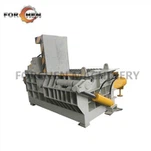
Choosing the right aluminum wire granulator is crucial for the success and efficiency of your recycling business. With numerous options available in the market, it's important to consider several key factors to make an informed decision. Here's a comprehensive guide on how to choose the right aluminum wire granulator for your recycling business:
1. Capacity and Throughput: Determine the capacity and throughput requirements of your recycling business. Assess the volume of aluminum wire you anticipate processing on a daily or weekly basis. Choose a granulator that can handle your projected workload without causing bottlenecks or compromising the quality of output. Look for specifications such as wire diameter range and hourly processing capacity to align with your business needs.
2. Wire Diameter and Types: Consider the range of wire diameters and types that the granulator can effectively process. Aluminum wire granulators are designed to accommodate specific wire diameters, such as thin electrical wires or thicker cables. Ensure that the granulator you choose can handle the range of wire sizes you typically encounter in your recycling operations. Additionally, check if the granulator is compatible with various wire types, such as stranded or solid wires, to accommodate your specific requirements.
3. Cutting Mechanism and Blade Quality: Evaluate the cutting mechanism and blade quality of the granulator. The cutting mechanism should efficiently strip the insulation from the aluminum wires while minimizing the risk of wire damage or excessive loss of metal. Look for granulators with high-quality blades made from durable materials that can withstand the demands of continuous use. Blades should be easily replaceable and adjustable to accommodate different wire sizes.
4. Automation and Ease of Use: Consider the level of automation and user-friendliness of the granulator. Automation features, such as programmable controls or touchscreen interfaces, can simplify operation and improve efficiency. Look for granulators with intuitive interfaces and clear instructions for setup and adjustment. A user-friendly granulator will minimize the learning curve for your operators and reduce the risk of errors during operation.
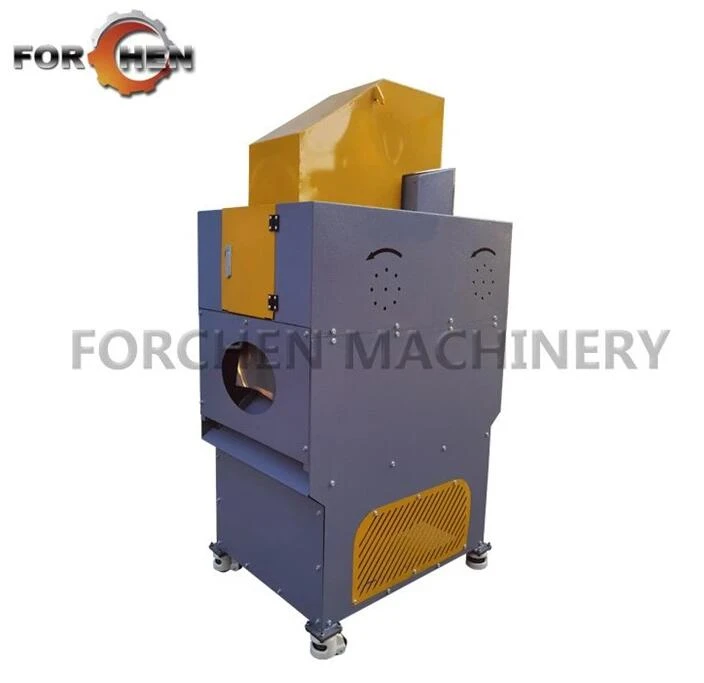
5. Wire Insulation Recovery: Evaluate the granulator's ability to recover wire insulation efficiently. Efficient insulation recovery reduces waste and increases the value of the aluminum output. Look for granulators that offer effective insulation separation mechanisms, such as vibrating screens, air separation systems, or other proprietary technologies. A granulator with reliable insulation recovery capabilities will contribute to higher purity levels in the recovered aluminum.
6. Maintenance and Durability: Assess the maintenance requirements and durability of the granulator. A reliable machine with low maintenance needs will minimize downtime and maintenance costs. Look for granulators with robust construction, high-quality components, and accessible parts for routine maintenance and cleaning. Consider factors such as blade longevity, lubrication requirements, and overall durability to ensure a granulator that can withstand continuous use in your recycling business.
7. Safety Features: Prioritize granulators with comprehensive safety features to protect operators and minimize the risk of accidents. Look for safety features such as emergency stop buttons, safety shields, interlocking systems, and safety sensors that detect abnormal operating conditions. These features help create a safe working environment and reduce the risk of injuries during operation.
8. Technical Support and Service: Consider the availability of technical support, after-sales service, and spare parts for the granulator. A reputable manufacturer or supplier should provide reliable technical support, guidance, and assistance when needed. Check if the manufacturer offers training for operators and maintenance personnel to ensure proper use and upkeep of the granulator.
9. Cost and Return on Investment (ROI): Evaluate the initial cost of the granulator and consider the potential return on investment. While cost is a significant factor, prioritize value for money rather than solely focusing on the cheapest option. Consider the long-term benefits, such as increased productivity, improved efficiency, and higher-quality output when assessing the ROI of the granulator.
References and Reputation: Research the reputation and track record of the manufacturer or supplier. Look for customer reviews and references from other recycling businesses that have used the granulator. A reputable manufacturer with positive feedback and a history of delivering quality products will likely provide a reliable granulator that meets your business needs.
By considering these factors and conducting thorough research, you can choose the right aluminum wire granulator that aligns with your recycling business requirements. Remember to assess the specific needs of your operations, compare different options, and consult with industry experts if necessary. Making an informed decision will contribute to the success and profitability of your recycling business.