Metal compression machines play a vital role in recycling and waste management, helping businesses optimise material handling and minimise waste generation.
This article will explore the operating mechanisms, working principles, and significant impacts of these machines across various industries.
The Role of Metal Compression Machines in Waste Management
Metal compression machines are indispensable tools in the recycling process. They are designed to compress various metals into dense, easily transportable bales, thereby improving transportation and storage efficiency.
By compressing loose materials, these balers reduce overall volume, thereby lowering costs and increasing recycling rates.
Benefits of Using Metal Compression Machines
Using Metal compression machines offers numerous advantages. Here are some key benefits:
Space Saving: By compressing scrap metal into bales, businesses can significantly reduce the storage space required.
Reduced Transportation Costs: Baled material is easier and cheaper to transport than bulk material, helping businesses save on logistics costs.
Increased Recycling Rates: Using balers helps streamline the recycling process, thereby increasing metal recycling rates.
Enhanced Safety: By reducing the volume and weight of metal scrap, balers minimise accidents caused by handling heavy materials, thus improving workplace safety.
How Metal Compression Balers Work
Understanding the operating principles of metal compression balers is crucial to understanding their value. The following explores the key mechanisms involved in their operation.
Core Components of Metal Compression Balers
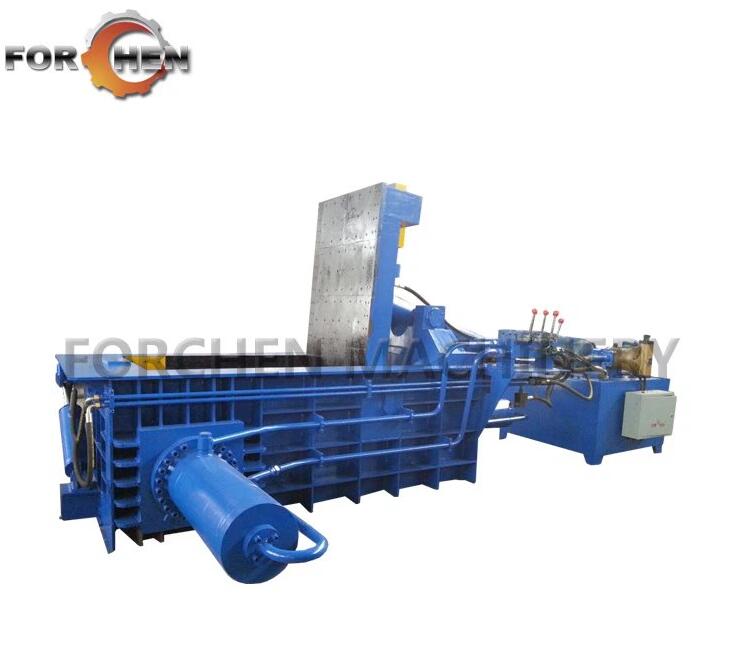
Metal compression balers consist of several key components, each playing a vital role in their operation:
Hydraulic System: This system generates the pressure required to compress metal scrap. It consists of hydraulic cylinders, pumps, and valves that work together to apply pressure.
Bale Chamber: Metal material is fed into the bale chamber and compressed into bales. Its design and dimensions vary depending on the machine's processing capacity.
Feed Mechanism: This component ensures a stable and continuous flow of material into the bale chamber for optimal compression.
Control System: Modern balers are typically equipped with advanced control systems that automate the process, increasing efficiency and reducing manual intervention.
The operation of a metal compression baler can be divided into the following key steps:
Feeding: The operator loads the scrap metal into the feeding mechanism, which transports the material to the baling chamber.
Compression Stage: After the material enters the baling chamber, the hydraulic system activates, applying pressure to tightly compress the material together.
Bale Formation: During compression, the material conforms to the shape of the baling chamber, forming a compact bale.
Binding: After baling, the bale is securely bound with strapping or binding tape to ensure its integrity during transportation and storage.
Bale Discharge: Once the bale is complete, it is discharged from the baling chamber for further processing or transportation.