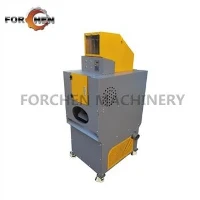
Mini-automatic recycling machines have revolutionized waste management practices by providing convenient and efficient solutions for recycling. Here's a detailed description of how these machines bring about a significant transformation in waste management:
1. Accessibility and Convenience: Mini automatic recycling machines make recycling accessible to a wider range of individuals and organizations. Their compact size and user-friendly design allow them to be placed in various locations, such as residential areas, office buildings, schools, or community centers. This accessibility encourages people to participate in recycling efforts conveniently, reducing the barriers to entry and promoting widespread adoption of recycling practices.
2. Streamlined Recycling Process: These machines simplify the recycling process by automating several key steps. Users can simply deposit their recyclable materials into the machine, which then automatically sorts and separates the different types of recyclables, such as plastic bottles, aluminum cans, or glass containers. This automation eliminates the need for manual sorting and reduces the time and effort required for recycling, making it more convenient for individuals and businesses alike.
3. Increased Recycling Rates: They have been shown to increase recycling rates significantly. By providing easily accessible and efficient recycling solutions, these machines encourage individuals and organizations to participate in recycling programs. The convenience factor plays a crucial role in motivating people to recycle rather than dispose of their recyclable materials as waste. As a result, the overall recycling rates improve, diverting more materials from landfills and promoting a more sustainable waste management system.
4. Real-Time Monitoring and Data Collection: Many mini automatic recycling machines are equipped with advanced technology that allows for real-time monitoring and data collection. This enables waste management authorities or recycling companies to track the usage patterns, collection rates, and types of recyclables being processed. The collected data helps in evaluating the effectiveness of recycling initiatives, identifying areas for improvement, and optimizing waste management strategies.
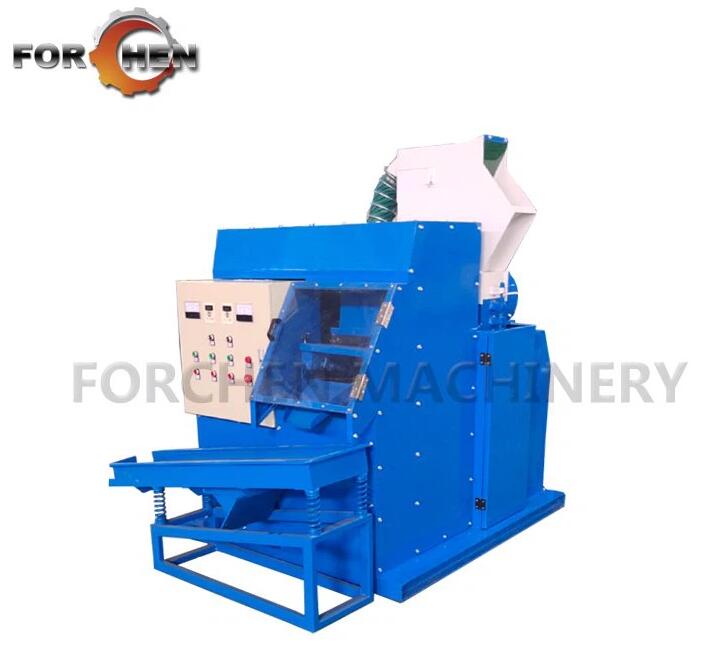
5. Encouraging Behavior Change: Mini automatic recycling machines act as catalysts for behavior change by promoting recycling habits and raising awareness about the importance of waste reduction. Through their visible presence in public spaces, these machines serve as a constant reminder of the recycling option available. They encourage individuals to develop positive recycling behaviors and instill a sense of environmental responsibility, creating a culture of recycling and waste reduction within communities.
6. Reduced Contamination and Improved Quality: Contamination of recyclable materials is a significant challenge in traditional recycling systems. With mini automatic recycling machines, the automated sorting process helps reduce contamination by separating different materials effectively. This leads to a higher quality of recyclables, which can then be recycled into new products more efficiently. Improved quality not only enhances the environmental impact but also makes the recycling process economically viable.
7. Educational Opportunities: They provide educational opportunities for users of all ages. They can display informative messages, graphics, or videos that educate individuals about proper recycling practices, the importance of recycling, and the environmental benefits. These machines serve as educational tools that raise awareness and promote environmental literacy, creating a well-informed society that actively participates in sustainable waste management practices.
8. Localized Waste Management: Mini automatic recycling machines contribute to localized waste management efforts. By placing these machines strategically in neighborhoods or smaller communities, waste can be managed more efficiently at the local level. This reduces the need for long-distance transportation of recyclables to central recycling facilities, resulting in reduced carbon emissions and lower transportation costs.
9. Complementing Existing Recycling Infrastructure: Mini automatic recycling machines complement existing recycling infrastructure and programs. They can be integrated into the broader recycling network and serve as additional collection points. These machines offer flexibility, especially in areas where traditional recycling facilities may be limited or inaccessible. By extending the reach of recycling services, they enhance the overall effectiveness of waste management systems.
10. Promoting Sustainability and Circular Economy: Mini automatic recycling machines align with the principles of sustainability and the circular economy. They contribute to resource conservation by diverting recyclable materials from landfills and reintroducing them into the production cycle as raw materials for new products. By closing the loop and reducing reliance on virgin materials, these machines promote a more sustainable and circular approach to waste management.
Mini-automatic recycling machines revolutionize waste management by providing accessibility, convenience, and streamlined processes for recycling. They increase recycling rates, reduce contamination, improve waste quality, and contribute to localized waste management efforts. These machines encourage behavior change, offer educational opportunities, and align with sustainability goals, fostering a more environmentally responsible society. Through their technological advancements, They play a vital role in transforming waste management practices and promoting a more sustainable future.