

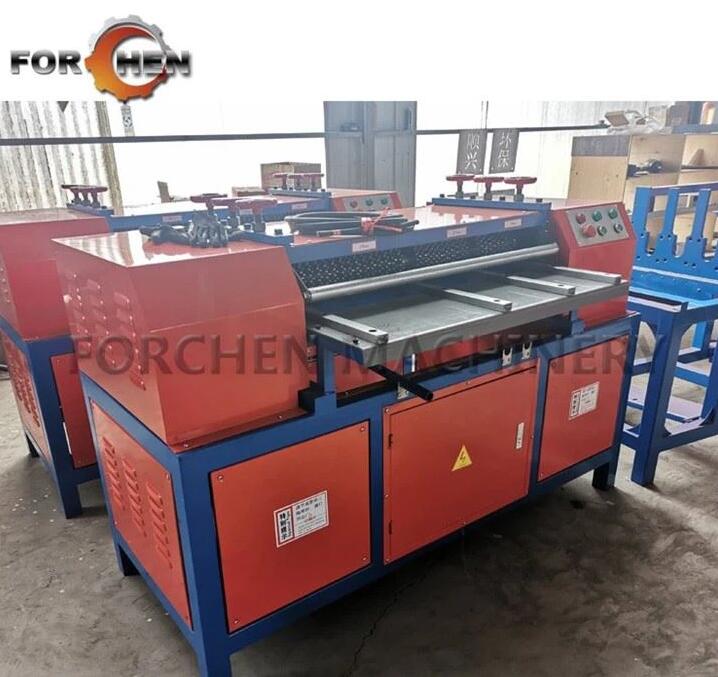
Radiator stripping machines have emerged as powerful tools in the realm of recycling and waste management, offering a more efficient and productive approach to the dismantling of old radiators. In this article, we will delve into the ways in which radiator stripping machines contribute to heightened productivity in various industries.
1. Automation Streamlines Processes:
One of the primary ways in which radiator stripping machines enhance productivity is through automation. Traditional methods of radiator stripping were time-consuming and labor-intensive, requiring manual effort to disassemble radiators. With the advent of stripping machines, the process is streamlined and accelerated, significantly reducing the time and effort required.
2. Precision Stripping for Increased Efficiency:
They are engineered for precision. They can efficiently separate different materials within radiators, such as copper and aluminum, with a high degree of accuracy. This precision minimizes waste and optimizes the recovery of valuable materials, contributing to increased overall productivity.
3. Higher Output Capacity:
Unlike manual stripping, radiator stripping machines are designed to operate continuously, providing a consistent and high output. This increased capacity is especially beneficial for industries dealing with large volumes of radiators, allowing for faster processing and a more efficient workflow.
4. Reduced Downtime:
The reliability of radiator stripping machines plays a crucial role in reducing downtime. Manual stripping processes are susceptible to fatigue and errors, leading to frequent breaks and interruptions. In contrast, machines can operate for extended periods with minimal supervision, ensuring a more continuous and productive operation.
5. Optimized Resource Utilization:
Radiator stripping machines optimize resource utilization by extracting maximum value from each radiator. The automated process ensures that valuable materials are recovered efficiently, minimizing waste and maximizing the return on investment. This approach aligns with sustainability goals while boosting overall productivity.
6. Adaptability to Various Radiator Types:
They are designed to handle a variety of radiator types, from household units to larger industrial radiators. The adaptability of these machines allows for a broader range of applications, catering to diverse needs and contributing to increased productivity across different sectors.
7. Cost-Effective Operations:
While the initial investment in a radiator stripping machine may seem substantial, the long-term cost-effectiveness cannot be overlooked. The reduction in manual labor, increased processing speed, and optimized material recovery contribute to significant cost savings over time, making these machines a wise investment for businesses focused on productivity.
They play a pivotal role in boosting productivity across industries involved in waste management and recycling. The combination of automation, precision, higher output capacity, reduced downtime, optimized resource utilization, adaptability, and cost-effective operations makes these machines indispensable in the pursuit of efficient and sustainable radiator dismantling.


