Purchasing an industrial metal press machine is a significant investment, requiring careful consideration of several factors to ensure you select a machine that meets your specific needs. Here's a comprehensive guide to help you navigate the process:
Determine Your Application:
Type of Operation:
What processes will the press be used for? (e.g., stamping, forming, punching, bending, deep drawing)
The type of operation will dictate the required press type and its specifications.
Material Type and Thickness:
What materials will you be working with? (e.g., steel, aluminum, brass)
The material's hardness and thickness will determine the necessary tonnage and press strength.
Production Volume:
What is your required production volume?
High-volume production may necessitate a high-speed mechanical press, while lower-volume, precision work might be better suited for a hydraulic or servo press.
Part Complexity:
How complex are the parts you'll be producing?
Complex shapes and intricate designs may require a press with precise control and flexibility.
Choose the Right Press Type:
Mechanical Presses:
Advantages: High speed, high production rates, suitable for repetitive operations.
Disadvantages: Limited flexibility in stroke length and speed, higher maintenance requirements.
Best for: High-volume production of simple to moderately complex parts.
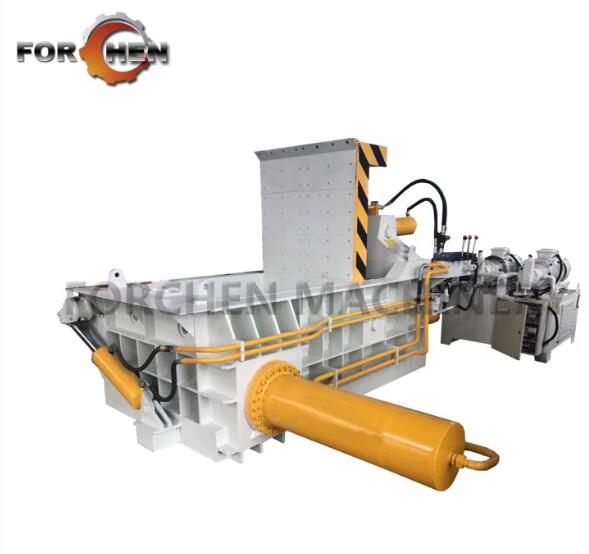
Hydraulic Industrial Metal Press Machines:
Advantages: High flexibility, adjustable pressure, and speed, suitable for deep drawing and complex shapes.
Disadvantages: Slower cycle times, potential for fluid leaks, higher initial cost.
Best for: Low- to medium-volume production of complex parts requiring high force.
Servo Presses:
Advantages: High precision, programmable control, energy efficiency, reduced maintenance.
Disadvantages: Highest initial cost.
Best for: High-precision applications, complex parts, and operations where energy efficiency is crucial.
Key Specifications to Consider:
Tonnage:
The amount of force the press can exert.
Calculate the required tonnage based on the material, thickness, and operation.
Stroke Length:
The distance the ram travels.
Ensure the stroke length is sufficient for your intended operations.
Bed Size:
The dimensions of the work surface.
Ensure the bed size is adequate for your dies and workpieces.
Speed:
The rate at which the ram moves.
Consider your production speed requirements.
Control System:
The level of automation and control.
Modern presses offer advanced control systems for precise operation.
Safety Features:
Ensure the industrial metal press machines have adequate safety features, such as light curtains, emergency stops, and overload protection.
Evaluate Suppliers:
Reputation and Experience:
Choose a reputable supplier with a proven track record.
Service and Support:
Ensure the supplier offers adequate service, maintenance, and technical support.
Warranty:
Inquire about the warranty coverage.
References:
Request references from other customers.
Budget Considerations:
Initial Cost:
Consider the purchase price of the press.
Operating Costs:
Factor in energy consumption, maintenance, and tooling costs.
Return on Investment (ROI):
Evaluate the potential ROI based on increased productivity and efficiency.
By carefully considering these factors, you can make an informed decision and select an industrial metal press machine that meets your specific requirements and provides a solid return on investment.