

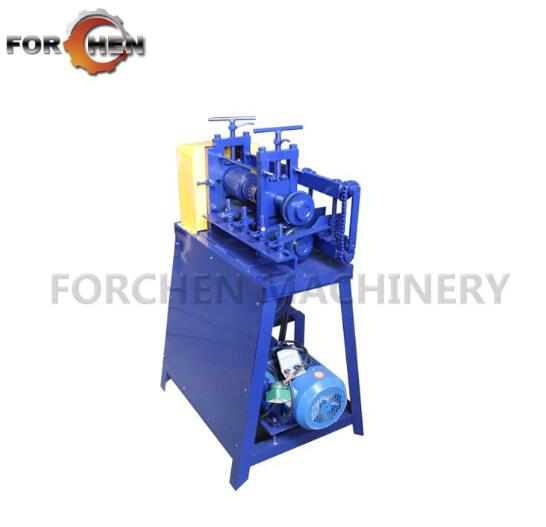
A motorized wire stripper is a powerful tool used to remove the insulation from electrical wires efficiently and precisely. Unlike manual strippers, which rely on hand force, motorized versions use electric or hydraulic power to automate the stripping process, significantly increasing productivity and consistency.
These machines come in various sizes and configurations to suit different wire types and industries. Below are the primary applications of motorized wire strippers across multiple fields:
1. Electrical Recycling Industry
One of the most prominent applications of motorized wire strippers is in electrical wire recycling.
This industry deals with the recovery of valuable metals, such as copper and aluminum, from old or discarded electrical cables. A motorized wire stripper allows operators to quickly and safely strip large volumes of wire, separating the metal core from the plastic or rubber insulation. This separation is crucial for maximizing the value of recyclable materials. By automating the stripping process, recyclers save time, reduce labor costs, and improve output consistency.
2. Electrical and Electronics Manufacturing
In the electrical and electronics industry, wire stripping is a common process involved in assembling electrical panels, circuit boards, or wiring harnesses.
Motorized wire strippers ensure that wires are stripped to exact specifications, which is essential for reliable electrical connections. These machines can handle various gauges and types of insulation without damaging the conductor, which is especially important in sensitive electronic equipment. Their precision and speed make them indispensable in large-scale manufacturing environments where thousands of wire connections are required daily.
3. Automotive Industry
In automotive manufacturing and repair, motorized wire strippers are used to prepare wires for connection in vehicle electrical systems. Cars today contain numerous electrical circuits for everything from headlights to infotainment systems.
Efficient wire stripping ensures secure and conductive joints, whether through crimping, soldering, or terminal blocks. In repair shops, motorized wire strippers also help technicians replace or rework damaged wires with minimal effort and maximum accuracy.
4. Telecommunications and Networking
Telecommunications systems rely heavily on structured cabling, which includes a variety of cables such as coaxial, fiber optic, and twisted pair.
A motorized wire stripper designed for these specific cables allows for clean and damage-free insulation removal, which is essential for signal integrity. These strippers are often used by network technicians during the installation of communication lines, data centers, and other network infrastructure.
5. Construction and Electrical Contracting
Electrical contractors and construction workers benefit from using motorized wire strippers on job sites. When wiring residential, commercial, or industrial buildings, time and precision are critical.
A motorized stripper reduces fatigue and speeds up the stripping process, allowing electricians to focus on higher-level installation tasks. These machines are particularly useful when handling bulk wire rolls or large-diameter cables.
6. Aerospace and Defense
In the aerospace and defense industries, wiring must meet strict safety and reliability standards. Motorized wire strippers ensure repeatability and compliance with stringent specifications.
These tools often feature adjustable settings for insulation types, wire sizes, and stripping lengths, making them suitable for custom or high-performance wire types used in aircraft, spacecraft, and military applications.


