

Waste copper granulator machines play a crucial role in sustainable resource management by facilitating the efficient recovery and recycling of copper from scrap materials. As one of the most widely used metals in various industries, copper holds significant economic and environmental value. By effectively reclaiming copper from waste materials, granulator machines contribute to resource conservation, energy savings, and environmental protection in several key ways:
1. Resource Conservation: Copper is a finite resource that is extracted from the earth through mining operations. However, mining activities have significant environmental impacts, including habitat destruction, water pollution, and greenhouse gas emissions. By recycling copper from scrap materials, waste copper granulator machines help conserve natural resources and reduce the need for new mining activities, thus mitigating the environmental burden associated with copper extraction.
2. Energy Savings: The extraction and refining of copper from raw ores are energy-intensive processes that consume large amounts of electricity and fossil fuels. In contrast, recycling copper requires significantly less energy, as it involves melting and reprocessing scrap materials, which typically requires only a fraction of the energy used in primary production. Waste copper granulator machines contribute to energy savings by enabling the efficient recycling of copper scrap, thereby reducing the overall energy demand and associated greenhouse gas emissions.
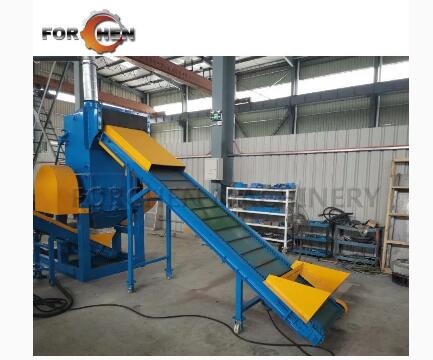
3. Reduction of Landfill Waste: Copper-containing materials, such as electrical wires, cables, and electronic components, are commonly found in municipal solid waste streams. When disposed of in landfills, these materials can leach toxic substances into the soil and water, posing environmental hazards. By diverting copper-containing waste from landfills and recycling it using granulator machines, valuable resources are recovered, and the environmental impact of landfill disposal is minimized.
4. Promotion of Circular Economy: They are integral components of the circular economy, which emphasizes the reuse, recycling, and repurposing of materials to minimize waste generation and maximize resource efficiency. By converting scrap copper into high-quality granules that can be used to manufacture new products, granulator machines help close the loop in the copper supply chain, promoting a circular flow of materials and reducing reliance on virgin resources.
5. Reduction of Greenhouse Gas Emissions: Primary copper production is associated with significant greenhouse gas emissions, primarily from the combustion of fossil fuels in mining, smelting, and refining operations. Recycling copper scrap instead of producing copper from virgin ores, helps reduce the carbon footprint of the copper industry. This contributes to climate change mitigation efforts by lowering overall greenhouse gas emissions and preserving the planet's ecological balance.
6. Creation of Green Jobs and Economic Opportunities: The recycling industry, including the operation and maintenance of waste copper granulator machines, creates employment opportunities and stimulates economic growth. By supporting local recycling businesses and fostering a robust recycling infrastructure, waste copper granulator machines contribute to job creation, income generation, and community development, particularly in regions with high levels of industrial and electronic waste.
Waste copper granulator machines play a multifaceted role in sustainable resource management by promoting resource conservation, energy efficiency, waste reduction, and greenhouse gas mitigation. By enabling the efficient recycling of copper scrap, these machines contribute to the transition towards a more circular and sustainable economy, where materials are used and reused in a closed-loop system, minimizing environmental impact and maximizing resource efficiency.


