In today's world, where sustainability and resource efficiency are paramount, waste management practices play a critical role. Among these practices, recycling of materials like copper has gained significant traction due to its economic and environmental benefits.
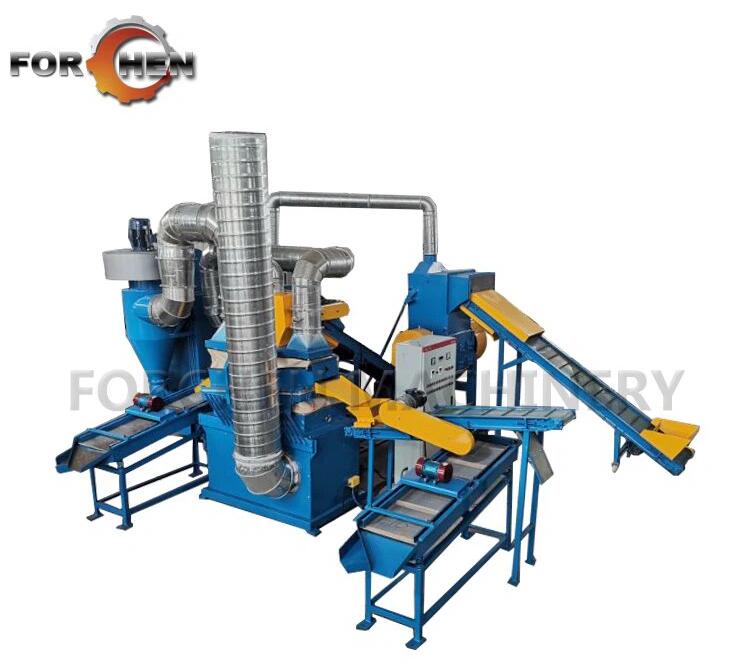
Waste copper granulator machines are indispensable tools in this process, efficiently converting scrap copper into valuable resources. However, to ensure optimal performance and productivity, it's essential to implement strategies for maximizing efficiency. Here are ten actionable tips to help you get the most out of your waste copper granulator machine:
1. Regular Maintenance and Inspection: Just like any other machinery, waste copper granulator machines require regular maintenance and inspection. Check for worn-out parts, lubricate moving components, and clean the machine thoroughly to prevent clogging and ensure smooth operation.
2. Optimize Feed Rate: Adjust the feed rate of scrap copper into the granulator machine according to its capacity and processing capabilities. Overloading the machine can lead to inefficiency and may cause damage to its components.
3. Use High-Quality Copper Scrap: The quality of the input material significantly impacts the efficiency of the granulation process. Use clean and high-purity copper scrap to minimize processing time, reduce energy consumption, and improve the quality of the output granules.
4. Maintain Sharp Blades: Sharp blades are essential for the effective cutting and granulating of copper scrap. Regularly inspect and sharpen the blades to ensure precise cutting and prevent excessive wear, which can lead to reduced efficiency and increased energy consumption.
5. Optimal Granulator Settings: Adjust the granulator settings, such as blade clearance and cutting speed, to achieve the desired particle size and granule consistency. Experiment with different settings to find the optimal configuration for your specific requirements.
6. Separate Non-Copper Materials: Prioritize the separation of non-copper materials, such as plastic insulation and other contaminants, before feeding the scrap into the granulator machine. This not only improves the efficiency of the granulation process but also enhances the purity of the final copper granules.
7. Implement Safety Measures: Safety should always be a top priority when operating waste copper granulator machines. Ensure that all safety guards and mechanisms are in place and that operators are adequately trained to operate the machine safely and efficiently.
8. Monitor Performance Metrics: Keep track of key performance metrics, such as throughput, energy consumption, and granule quality, to assess the efficiency of the granulator machine. Identify any deviations from the expected performance and take corrective actions as needed.
9. Optimize Workflow: Streamline the workflow around the waste copper granulator machine to minimize downtime and maximize productivity. Organize scrap collection, processing, and storage in a systematic manner to ensure a continuous supply of feed material and efficient operation of the machine.
10. Stay Informed About Updates and Upgrades: Keep abreast of the latest developments in waste copper granulator technology, including software updates, hardware upgrades, and new features. Investing in upgrades or newer models when necessary can help improve efficiency, reduce operating costs, and stay competitive in the recycling industry.
Maximizing efficiency with your waste copper granulator machine requires a combination of proper maintenance, optimization of machine settings, quality control measures, and adherence to safety protocols. By implementing these ten tips, you can enhance the performance and productivity of your granulator machine while contributing to sustainable resource management and environmental conservation.