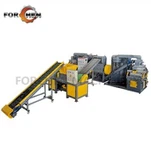
A straight blade sharpening machine is an essential piece of equipment for maintaining the cutting efficiency of blades used in copper wire granulators, woodworking machines, plastic crushers, and many other industrial tools.
Proper operation not only ensures sharp, precise edges but also extends the life of both the sharpening machine and the blades. To maximize efficiency and safety, operators must follow the right techniques. Below are six key operating tips for using a straight blade sharpening machine effectively.
Perform Proper Setup and Inspection Before Use
Before starting the sharpening process, it is important to thoroughly inspect both the machine and the blade. Check the machine's grinding wheel for cracks, uneven wear, or damage that could affect sharpening quality.
Ensure that the water cooling system, if available, is working properly to prevent overheating of the blade edge during grinding. The blade itself should be free from rust, debris, or oil, as these can interfere with accurate sharpening. Proper alignment and secure clamping of the blade on the machine are also essential to avoid vibration and uneven grinding results.
Adjust the Correct Sharpening Angle
One of the most critical factors in blade sharpening is maintaining the correct bevel angle. Straight blade sharpening machines typically allow adjustment of the grinding head to match the factory-recommended blade angle.
Using the wrong angle can result in an edge that is either too thin (making it weak and prone to chipping) or too blunt (reducing cutting efficiency). Operators should consult the blade manufacturer's specifications and set the sharpening machine accordingly. This ensures the blade regains its original performance after sharpening.
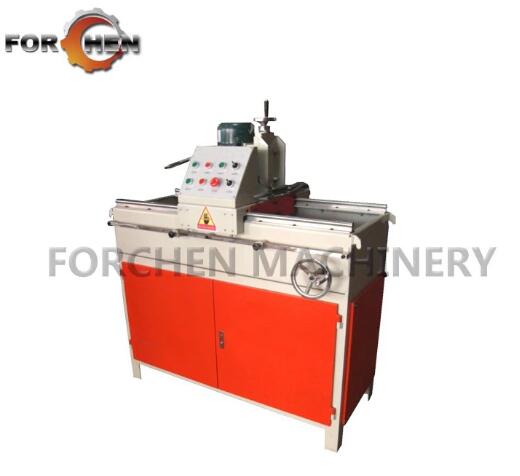
Apply Smooth and Even Grinding Pressure
When operating a straight blade sharpening machine, it is important not to press the blade too hard against the grinding wheel. Excessive pressure can cause uneven grinding, overheating, and even wheel damage.
Instead, apply light and consistent pressure, allowing the grinding wheel to gradually remove material and restore sharpness. Moving the grinding head smoothly across the blade ensures a uniform edge and prevents the formation of flat spots or grooves. Patience during the process yields better sharpening results.
Conduct Regular Machine Maintenance
A sharpening machine is only as effective as its condition. Operators should carry out regular maintenance to ensure consistent performance.
This includes cleaning the grinding wheel to remove residue, checking and refilling the coolant system, lubricating moving parts, and inspecting belts, bearings, and motor components.
Worn-out grinding wheels should be replaced immediately to avoid poor sharpening quality or safety hazards. Keeping the machine in top condition reduces downtime and extends its service life.
These tips not only improve the cutting efficiency of blades but also extend their lifespan, reduce operational costs, and enhance overall productivity. When used correctly, a straight blade sharpening machine becomes a valuable tool for industries relying on sharp, durable blades for efficient operations.