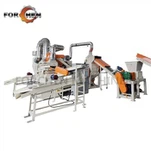
Choosing the right mini cable recycling machine requires careful consideration of several factors to ensure it meets your specific needs and budget. Here's a comprehensive guide:
Define Your Needs & Capacity
Processing Volume:
How much cable do you plan to process daily, weekly, or monthly?
This will determine the machine's required processing capacity.
Consider your current and future needs to avoid under- or over-investing.
Cable Types:
What types of cables will you be processing?
Consider factors like insulation material (PVC, rubber, Teflon), wire gauge, and the presence of multiple conductors.
Key Machine Features
Processing Technology:
Shearing: Blades are used to cut the cable, and it is suitable for various cable types.
Impact: It uses impact forces to break down the cable, which is often more efficient for thicker cables.
Abrasion: Uses friction to strip the insulation, suitable for delicate cables.
Consider which method best suits your cable types and desired output.
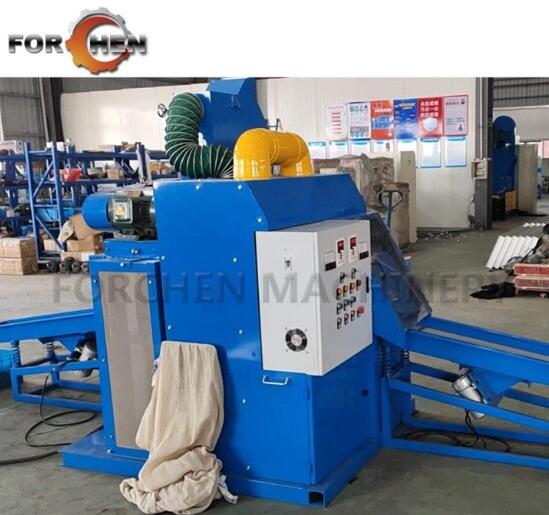
Safety Features:
Ensure the machine includes safety features like emergency stop buttons, safety guards, and grounding to protect operators.
Machine Size and Space Considerations
Footprint:
Measure the available space in your workshop or designated area.
Choose a mini cable recycling machine that fits comfortably within your space constraints.
Portability:
If you need to move the machine frequently, consider its weight and portability.
Look for machines with wheels or compact designs for easy transportation.
Machine Cost:
Obtain quotes from multiple suppliers to compare prices and identify the most cost-effective options.
Operating Costs:
Consider factors like energy consumption, maintenance costs, and labor costs when estimating operating expenses.
Supplier and After-Sales Support
Reputation:
Research the reputation of the mini cable recycling machine manufacturer or supplier.
Look for companies with a proven track record and positive customer reviews.
Training and Technical Assistance:
Determine if the supplier provides training on machine operation and maintenance.
Consider the availability of technical support in case of any issues.
Trial Runs and Testing
If possible, request a demonstration or trial run of the machine to assess its performance and suitability for your specific needs.
Test the machine with a sample of your own cables to evaluate its efficiency and the quality of the recovered materials.
By carefully considering these factors and conducting thorough research, you can select a mini cable recycling machine that meets your specific requirements, maximizes efficiency, and provides a strong return on investment.