Choosing a suitable motorized wire stripper is a crucial decision for anyone involved in electrical work, manufacturing, or especially metal recycling.
With a wide range of models on the market, selecting the right machine requires a clear understanding of your operational needs, the types of wires you plan to process, and your desired output. A properly chosen wire stripper can significantly improve efficiency, safety, and profitability. Below are key factors to consider when choosing a motorized wire stripper, explained in detail.
Determine the Type and Size of Wire
The first step in selecting a motorized wire stripper is understanding what kind of wire you will be working with. Wires come in various forms, such as:
Single-core wires
Multi-strand wires
Armored cables
Coaxial or communication cables
Thick industrial cables
Each wire type requires a specific stripping capability. You must check the machine's wire diameter range. Some motorized strippers are designed for small-gauge wires, while others can handle heavy-duty cables up to several inches in diameter. Choosing a machine that matches your wire type ensures clean stripping without damaging the metal core.
Consider Stripping Capacity and Speed
The production volume you expect to handle should influence your decision. If you're a small workshop processing wire occasionally, a basic motorized wire stripper with moderate speed may be sufficient. However, for larger recycling or manufacturing operations, you need a high-speed machine with the ability to process several hundred pounds of wire per hour.
Higher stripping speeds reduce labor time and increase throughput, which is essential for businesses that rely on fast turnaround.
Adjustability and Versatility
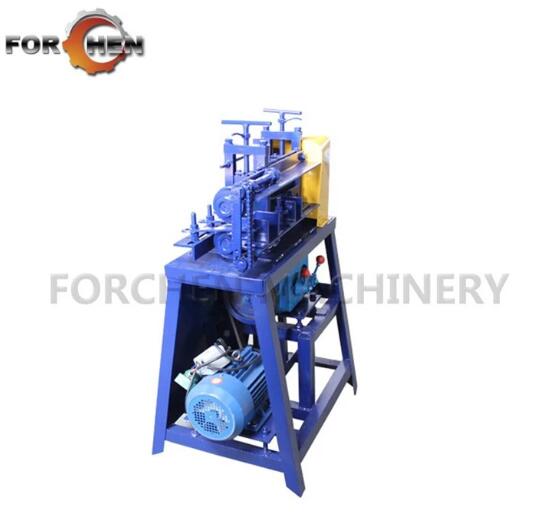
A good motorized wire stripper should offer adjustable blade depth and feed settings to accommodate various insulation thicknesses and wire types. This ensures:
Minimal damage to the metal core
Clean removal of insulation
Adaptability to different wire shapes and sizes
Some advanced models also allow you to change blade types or settings for switching between soft and hard insulation materials. This versatility adds value to your investment by enabling a broader range of applications.
Build Quality and Durability
The build quality of the machine matters greatly, especially for high-volume operations. Look for machines made with heavy-duty materials like steel and aluminum, which can withstand continuous use. Features such as a durable motor, hardened steel blades, and solid casing indicate a machine built for long-term use.
Investing in a robust machine helps reduce downtime due to breakdowns and lowers the long-term maintenance cost.
Ease of Use and Maintenance
A user-friendly machine minimizes training time and operational errors. Look for models with:
Clear control interfaces
Easy loading mechanisms
Quick blade adjustment knobs
Simple cleaning and maintenance access
Machines that are easy to clean and maintain will operate longer and more efficiently, reducing the risk of productivity loss.