

Choosing the right small cable granulator for household use is essential for efficient wire recycling, cost savings, and reducing environmental impact. A well-suited cable granulator can turn scrap wires into reusable metal, primarily copper or aluminum, and separate insulation materials like plastic or rubber. Here are the key factors to consider when selecting a household small cable granulator for your home:
1. Capacity and Output
The first aspect to consider is the granulator's capacity, which refers to the amount of cable or wires the machine can process per hour. Since household recycling tends to have lower demands than commercial operations, a machine with a smaller capacity (typically 100 to 200 kilograms per hour) is often sufficient. However, you should still evaluate your personal needs based on the volume of scrap wires you handle.
Low-Capacity Machines: Ideal for casual recycling, processing small amounts of wire.
Mid-Capacity Machines: Suitable for hobbyists or small home businesses handling larger wire volumes.
2. Wire Type Compatibility
Not all small cable granulators can handle every type of wire. Some machines are designed to process only copper or aluminum wires, while others can handle a wide range of materials and wire sizes. Ensure that the granulator you choose can process the types of cables you encounter most frequently, such as household electrical wires, coaxial cables, or automotive wires.
Copper and Aluminum Compatibility: Ensure the machine can separate copper or aluminum from its insulation.
Multi-Wire Capability: If you recycle various types of wire, look for a granulator that supports multiple wire types and sizes.
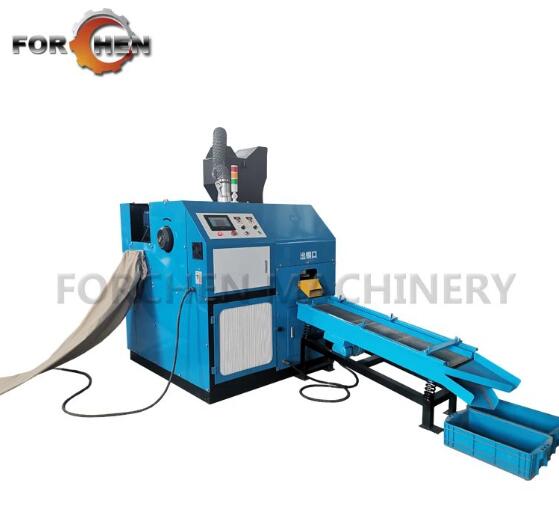
3. Size and Portability
Since you will be using the cable granulator at home, the size and portability of the machine are important. A compact, lightweight design is ideal for household use, as it allows for easy storage and transport. Some granulators are equipped with wheels for added mobility, enabling you to move them around your workspace effortlessly.
Compact Design: Choose a smaller model that fits your workspace without taking up too much room.
Portability: Consider whether you need a machine with wheels or a lightweight model for easier handling.
4. Ease of Use
Look for a granulator that is easy to operate, especially if you are new to wire recycling. Some machines come with simple control panels and automatic feeding systems, making operations straightforward. Avoid machines that require complex setups or heavy manual labor.
User-Friendly Controls: Opt for machines with simple, intuitive controls for easy operation.
Automatic Feeding: Some granulators have auto-feeding mechanisms that minimize the need for constant supervision.
5. Durability and Build Quality
Investing in a durable and reliable household small cable granulator is important to ensure long-term use. Machines made from high-quality materials such as stainless steel or reinforced plastic last longer and require fewer repairs. Pay attention to the manufacturer's reputation for quality and longevity when making your choice.
Stainless Steel Components: Ensure the machine is built from durable, rust-resistant materials.
Reputable Brands: Choose granulators from established manufacturers known for producing reliable equipment.
6. Budget and Cost
Finally, consider your budget. While household small cable granulators come in a range of prices, remember that quality, durability, and efficiency can save you money in the long run. Avoid the temptation to choose the cheapest option if it sacrifices essential features or performance.
Affordable Options: Find a balance between price and features that meet your household recycling needs.
Long-Term Investment: Spending a little more on a high-quality machine may offer better results and durability.


