Using an electric sharpening machine to sharpen copper wire granulator blades offers several significant benefits that contribute to both the efficiency of the granulator and the quality of the processed material. Here are eight detailed benefits:
1. Enhanced Cutting Efficiency
Sharp Blades Improve Processing Speed: Copper wire granulators rely on sharp blades to efficiently cut and separate copper from its insulating material. When the blades are dull, the machine's processing speed decreases, leading to bottlenecks and reduced productivity. By using an electric sharpening machine, the blades can be kept consistently sharp, ensuring that the granulator operates at optimal speed. This means more material can be processed in less time, leading to higher throughput and efficiency.
Reduced Strain on the Granulator: Sharp blades reduce the mechanical strain on the granulator. Dull blades require more force to cut through material, which can strain the motor and other components of the machine. By maintaining sharp blades, the granulator operates more smoothly, reducing wear and tear and prolonging the lifespan of the equipment.
2. Improved Quality of Output
Cleaner Cuts Lead to Better Material Separation: Sharp blades produce cleaner cuts, which is crucial for the effective separation of copper from its insulation. When blades are dull, they can tear or crush the material rather than cut it cleanly. This can lead to incomplete separation and contamination of the copper output. Regular sharpening with an electric machine ensures that the blades are cut precisely, resulting in a higher quality of separated copper with less contamination.
Consistent Granule Size: Maintaining sharp blades also ensures that the granules produced by the granulator are of consistent size. This is important for downstream processes, such as smelting or recycling, where uniform granule size can lead to more efficient processing and higher-quality end products.
3. Cost Savings
Reduced Need for Blade Replacement: Dull blades not only reduce efficiency but also wear out faster, leading to frequent replacements. Electric sharpening machines extend the life of the blades by keeping them sharp, reducing the frequency of replacements and associated costs. This can lead to significant savings over time, especially in high-volume operations where blade replacement costs can add up.
Lower Energy Consumption: Sharp blades require less energy to cut through the material. When the blades are properly maintained, the granulator consumes less power during operation, leading to lower energy bills. This is particularly beneficial in large-scale operations where energy costs can be substantial.
4. Minimized Downtime
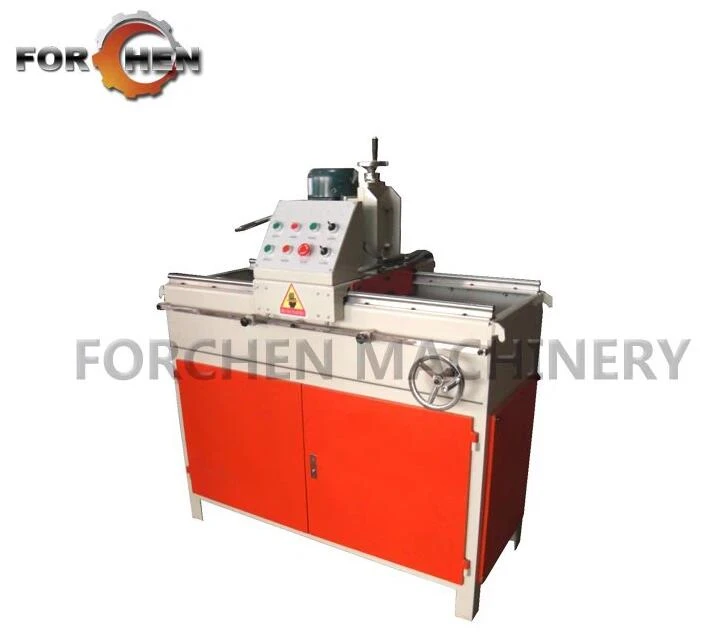
Faster Blade Maintenance: Using an electric sharpening machine allows for quick and efficient blade maintenance. Unlike manual sharpening methods, which can be time-consuming and inconsistent, an electric machine provides precise sharpening in a fraction of the time. This minimizes downtime, allowing the granulator to return to operation quickly and reducing the impact on production schedules.
Prevention of Unplanned Downtime: Regular sharpening of blades helps prevent unplanned downtime caused by blade failure. Dull or damaged blades can lead to breakdowns, requiring unscheduled maintenance and repairs. By keeping blades sharp and in good condition, the risk of unexpected downtime is significantly reduced, ensuring smoother and more reliable operation.
5. Increased Safety
Safer Operation of the Granulator: Sharp blades reduce the risk of jams or malfunctions in the granulator. Dull blades are more likely to cause material to become stuck or improperly processed, which can lead to dangerous situations, such as machine overloads or blockages. By regularly sharpening the blades with an electric machine, the granulator operates more safely, reducing the risk of accidents and ensuring a safer working environment.
Reduced Risk of Operator Injury: Handling and maintaining dull blades can increase the risk of injury to operators. Dull blades require more force to use and can slip during sharpening or replacement. An electric sharpening machine allows for safer and more controlled sharpening, reducing the risk of cuts or other injuries to operators.
6. Precision and Consistency
Consistent Blade Angles: Electric sharpening machines are designed to maintain consistent blade angles during the sharpening process. This precision ensures that each blade is sharpened to the exact specifications required for optimal performance. Consistent blade angles lead to more uniform cutting performance and longer blade life.