Electrostatic separator machines are advanced equipment designed for the separation of different materials based on their electrical properties. Proper usage of these machines is crucial to ensure optimal performance, efficiency, and longevity. we'll outline the key steps and best practices for using an electrostatic separator machine correctly.
1. Understand the Basics:
Before operating an electrostatic separator machine, it is essential to have a thorough understanding of its basic principles and functions. Familiarize yourself with the specific machine you are using, including its components, controls, and safety features. Consult the manufacturer's manual for detailed instructions.
2. Conduct Pre-Operational Checks:
Perform a comprehensive pre-operational inspection to ensure that the electrostatic separator machine is in good condition. Check for any signs of damage, loose components, or wear. Verify that all safety features, such as emergency stops and overload protection, are functioning correctly. Regular maintenance and inspection schedules should be followed to address any issues promptly.
3. Safety First:
Prioritize safety during every operation. Wear appropriate personal protective equipment (PPE) such as gloves, eye protection, and hearing protection if necessary. Ensure that all personnel involved in the operation are aware of safety protocols, emergency procedures, and the location of safety devices.
4. Set Up the Machine Properly:
Position the electrostatic separator machine in a stable and secure location. Ensure that it is on a level surface and that all components are properly connected. Follow the manufacturer's guidelines for power supply connections, grounding, and any other setup requirements. Adequate space around the machine should be maintained for safe operation and access.
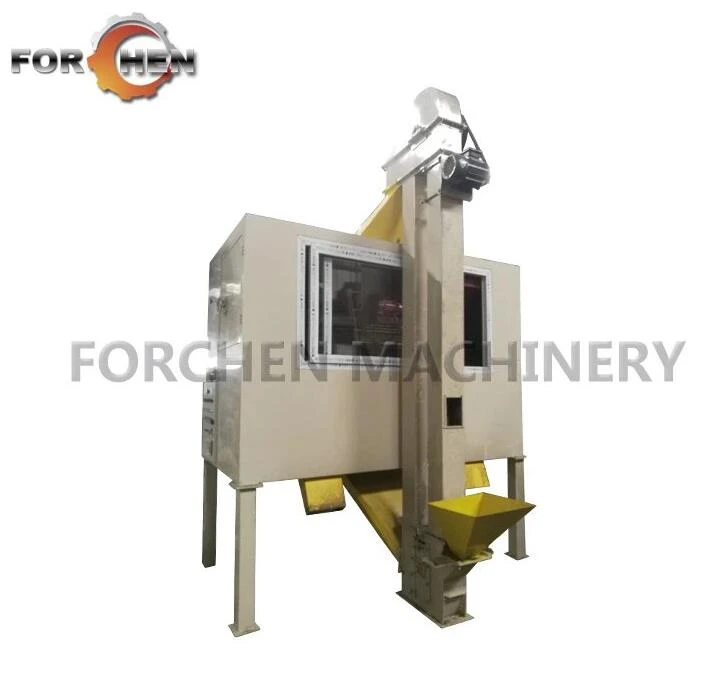
5. Adjust Settings According to Material Characteristics:
Different materials have varying electrical properties, and the settings of the electrostatic separator machine must be adjusted accordingly. Understand the material characteristics you are working with, such as conductivity and particle size. Set the voltage, current, and other parameters based on the specific requirements of the material being processed.
6. Feed Material Consistently:
Maintain a consistent and uniform feed of material into the electrostatic separator machine. Irregular or uneven feeding can impact separation efficiency. Use a feeder or conveyor system if necessary to ensure a continuous and controlled flow of material through the machine.
7. Monitor and Adjust Separation Efficiency:
Regularly monitor the separation process to assess efficiency and make necessary adjustments. Fine-tune the machine settings based on the quality of separation achieved. This may involve adjusting voltage, electrode configurations, or other parameters to optimize performance.
8. Regular Cleaning and Maintenance:
Clean the electrostatic separator machine regularly to prevent the accumulation of dust, debris, or residual material that could hinder its performance. Follow the manufacturer's recommendations for maintenance tasks, such as lubrication and component inspections. Address any issues promptly to avoid downtime and ensure the longevity of the equipment.
9. Proper Shutdown Procedures:
When concluding operations, follow proper shutdown procedures. Gradually reduce the machine's voltage and current to zero before turning it off. Ensure that all moving parts come to a complete stop before initiating any maintenance or cleaning activities. This practice helps prevent sudden stops, which can be detrimental to the machine's components.
10. Stay Informed and Seek Training:
Keep abreast of industry updates, technological advancements, and any changes in the operation or maintenance guidelines provided by the manufacturer. If you are new to using electrostatic separator machines, seek proper training to ensure that you are equipped with the necessary knowledge and skills to operate the equipment safely and efficiently.
Using an electrostatic separator machine correctly involves a combination of understanding the machine's principles, conducting pre-operational checks, prioritizing safety, proper setup, adjusting parameters based on material characteristics, consistent feeding, monitoring efficiency, regular cleaning and maintenance, following shutdown procedures, and staying informed.