The electrical industry relies heavily on various machines, one of which is the wire stripper.
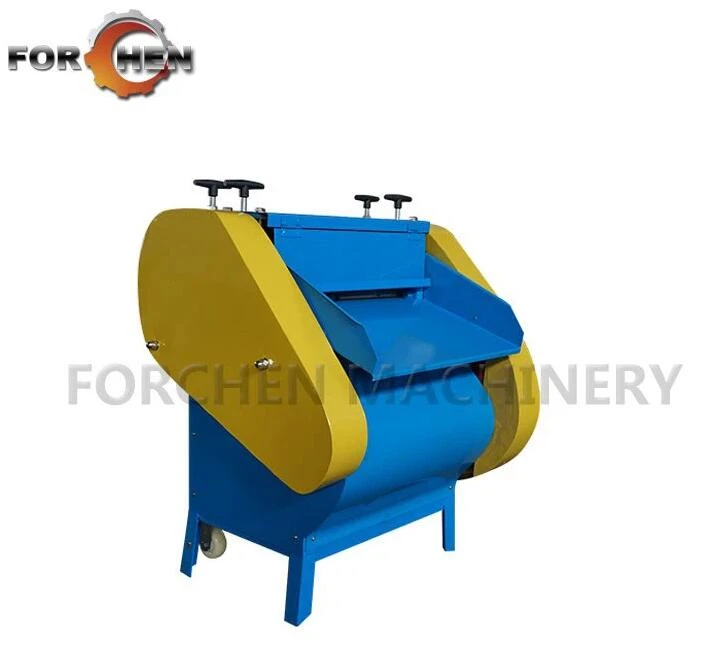
A wire stripper, also known as a cable stripping machine, is used to remove the plastic insulation layer from wires or metal. It is an industrial-grade device designed specifically for heavy-duty outer casing stripping.
These wire strippers are available in both automatic and manual configurations. This blog will guide you through learning more about the uses of wire strippers.
What is a Wire Stripping machine?
A wire stripper is a high-end version of wire strippers, resembling pliers in shape. This type of wire stripper can more easily remove the insulation layer from wires, making it one of the most commonly used tools in the electrical industry.
Various models of wire strippers have been developed based on the size, diameter, and material properties of the wires. For example, wire strippers can be used to strip thin wires, flat wires, heavy wires, coaxial cables, large wires, low-gauge wires, etc.
Wire stripping machines are practical tools for stripping the insulation layers of various wires. You can also use wire strippers to recover the metal core or copper wire from old and damaged cables.
Wires pass through a wire stripper. After the metal core is stripped, the wire is processed and refined to create new cables. The wire stripper also removes the insulation layer, thus improving conductivity.
Major Uses of Wire Strippers by Type
Let's learn about the different types of wire strippers and their applications. Different models have their own advantages, helping us improve efficiency in completing complex and time-consuming industrial tasks.
Automatic Wire Stripper
Automatic wire strippers complete a single action by simultaneously clamping, cutting, and stripping the wire. Automatic wire stripping machines are most commonly used in applications requiring large quantities of wire, rather than just stripping wires of a specific diameter.
This is because the performance of automatic wire strippers is limited when stripping wires of varying lengths.
We offer a variety of automatic wire strippers and other types of equipment at competitive prices. Consider our automatic wire stripper suitable for 1-50mm wires; this is currently one of the highest-performing and most efficient wire strippers on the market.
Automatic wire strippers have 5 different inlet holes, handling wires from 1.5 mm to 50 mm in diameter, allowing you to safely and easily handle the most common wire diameters.
Chemical Stripping: Chemical stripping first treats the insulation layer with a chemical stripping agent, then applies a neutralizing agent and alcohol. The stripping agent causes the insulation layer to "melt" and separate from the metal.
After each step, it must be rinsed and wiped to remove any residual chemicals. Chemical stripping is very dangerous, and the government has enacted strict laws and regulations to protect workers and the environment.
Despite the danger and difficulty of this method, chemical stripping is still recommended when the metal needs complete removal of damage.
Abrasive Wheel Wire Stripper:
Using this machine is simple. Just place the cable or wire to be cut between two abrasive wheels, which are usually made of fiberglass or metal wire.
It is crucial to remember that the abrasive wheels must be made of suitable materials and textures to cut and strip the wire. Why? Because using unsuitable materials can damage the metal wire. In addition, you should ensure that appropriate force is used to avoid damaging the conductive material.
Laser Wire Stripping
Laser wire stripping is an expensive alternative, often used in high-tech laboratories or manufacturing. Lasers can burn through the insulation layer with extremely high precision.
This method is essential when it is necessary to avoid even the slightest damage to conductive materials.
Laser wire strippers can handle not only fine-gauge wires, but also shielded wires, twisted pairs, coils, as well as shielded cables, coaxial cables, and shielded twisted pairs.