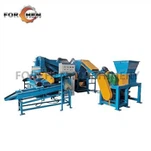
Operating a metal can compressing machine requires attention to detail, adherence to safety protocols, and a clear understanding of the machine's functionality. Ensuring proper operation not only maximizes efficiency but also minimizes risks to personnel and equipment. Here are key considerations to pay attention to when operating a metal can compressing machine:
Safety Precautions
Personal Protective Equipment (PPE):
Operators should wear appropriate PPE, including gloves, safety glasses, and, if necessary, hearing protection. This equipment protects against potential hazards such as sharp edges on cans and loud noises from the machine.
Safety Training:
Ensure that all operators have received comprehensive training on how to use the machine safely. This training should cover the machine's operation, potential hazards, and emergency procedures.
Emergency Stop Mechanisms:
Familiarize yourself with the machine's emergency stop buttons and safety interlocks. These mechanisms are critical for quickly halting the machine in case of a malfunction or emergency.
Clear Area:
Keep the area around the machine clear of obstacles, debris, and unauthorized personnel. This practice prevents accidents and ensures a safe working environment.
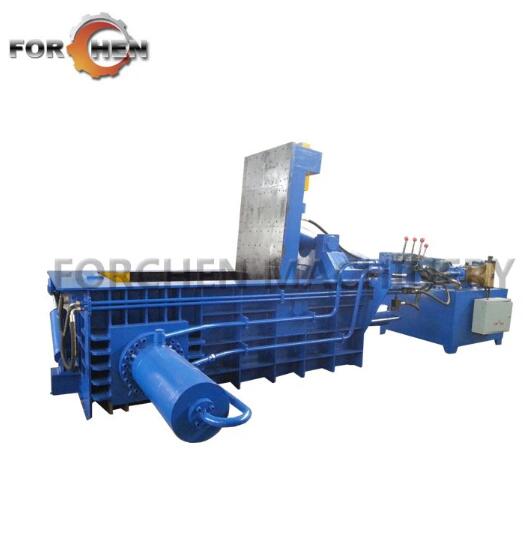
Machine Inspection and Maintenance
Pre-Operation Inspection:
Before operating the machine, perform a thorough inspection to ensure it is in good working condition. Check for any signs of wear, damage, or malfunctioning parts.
Regular Maintenance:
Adhere to the manufacturer's recommended maintenance schedule. Regular maintenance includes lubricating moving parts, checking hydraulic fluids, and inspecting electrical connections to prevent breakdowns and extend the machine's lifespan.
Cleanliness:
Keep the machine clean and free of debris. Accumulated dirt and metal fragments can cause mechanical issues and pose safety hazards.
Proper Loading and Operation
Correct Loading:
Load cans correctly according to the machine's specifications. Overloading or improper placement can lead to jams, inefficient compression, and potential damage to the machine.
Consistent Feed:
Maintain a consistent feed rate of cans into the machine to ensure smooth operation. Avoid feeding too many cans at once, which can overload the system and cause malfunctions.
Monitoring Operation:
Continuously monitor the machine during operation. Pay attention to any unusual noises, vibrations, or signs of stress on the machine. Immediate intervention can prevent minor issues from becoming major problems.
Handling Compressed Cans
Safe Removal:
Use proper tools and techniques to remove compressed cans from the machine. Avoid using your hands directly to prevent injuries from sharp edges.
Storage and Transportation:
Store compressed cans in designated areas and ensure they are stacked securely to prevent tipping or collapse. When transporting, use appropriate containers or pallets to handle the compressed cans safely.
Operating a metal can compressing machine efficiently and safely involves a combination of proper training, regular maintenance, vigilant monitoring, and adherence to safety protocols. By paying attention to these aspects, operators can ensure smooth operation, maximize productivity, and minimize risks.
Safety should always be the top priority, and all measures should be taken to protect both personnel and equipment. Regular reviews and updates to safety procedures, coupled with ongoing training, will contribute to a safe and efficient working environment.