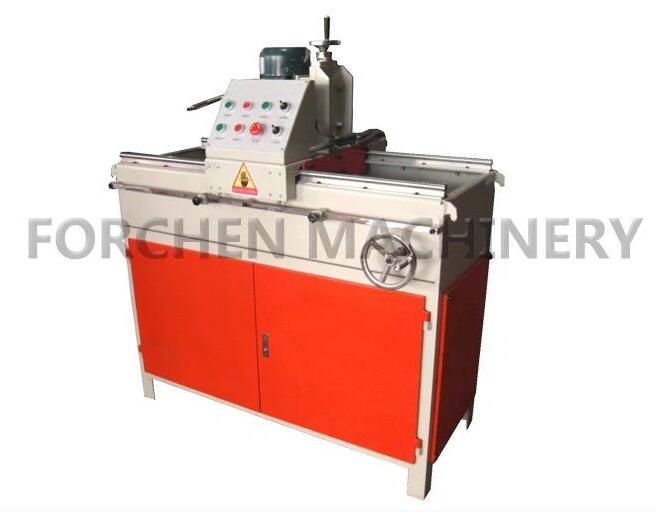
Operating an electric sharpening machine requires careful attention to safety and proper use to prevent accidents and ensure effective results. Here are some detailed precautions to consider when using an electric sharpening machine:
1. Read the User Manual
Understanding the Machine: Before using an electric sharpening machine, thoroughly read the user manual provided by the manufacturer. The manual contains essential information about the machine's operation, safety features, and maintenance. Familiarize yourself with the specific instructions and recommendations for your model to ensure safe and effective use.
2. Wear Appropriate Personal Protective Equipment (PPE)
Safety Glasses: Always wear safety glasses to protect your eyes from debris or sparks that may be generated during the sharpening process. This is crucial to prevent injuries from flying particles.
Gloves: Use gloves to protect your hands from sharp edges and accidental contact with the sharpening wheels. However, avoid wearing loose or bulky gloves that could get caught in the machine's moving parts.
Ear Protection: Electric sharpening machines can be noisy, especially when operating for extended periods. Wearing ear protection, such as earmuffs or earplugs, helps prevent hearing damage from prolonged exposure to high noise levels.
3. Ensure Proper Machine Setup
Stable Work Surface: Place the sharpening machine on a stable, level work surface. This helps prevent the machine from tipping over or vibrating excessively during use, which could lead to accidents or uneven sharpening.
Check Electrical Connections: Ensure that the machine is properly connected to a grounded electrical outlet with the correct voltage. Inspect the power cord for any signs of wear or damage before plugging it in. Avoid using extension cords, as they can increase the risk of electrical hazards.
4. Inspect the Machine Before Use
Check Components: Before operating the machine, inspect all components, including sharpening wheels or belts, to ensure they are in good condition. Look for any signs of damage, wear, or misalignment that could affect the machine's performance or safety.
Secure Parts: Ensure that all parts of the machine, including guards and attachments, are securely in place. Loose or improperly secured parts can pose safety risks and affect the effectiveness of the sharpening process.
5. Follow Safe Operating Procedures
Position Tools Correctly: Place the tools or blades to be sharpened securely in the machine. Ensure they are properly aligned with the sharpening surface or wheel. Misalignment can lead to ineffective sharpening and increase the risk of accidents.
Avoid Over-Sharpening: Do not over-sharpen tools, as this can lead to excessive wear and potential damage. Follow the manufacturer's recommendations for sharpening times and techniques to achieve optimal results without compromising tool integrity.
6. Maintain a Clean Work Area
Keep Workspace Clean: Maintain a clean and organized work area free from clutter and obstacles. This helps prevent accidental contact with the machine or tools and ensures a safer working environment.
Remove Debris: Regularly clean up any debris or metal filings generated during the sharpening process. Metal shavings can create tripping hazards or cause damage to other equipment if left unattended.
7. Use the Machine Properly
Do Not Force Tools: Allow the machine to do the work; do not force tools or blades into the sharpening surface. Applying excessive pressure can damage the machine, reduce sharpening efficiency, and increase the risk of injury.
Stay Focused: Stay attentive and focused while operating the machine. Avoid distractions that could lead to mistakes or accidents. Never leave the machine unattended while it is in operation.
8. Perform Regular Maintenance
Clean the Machine: Regularly clean the machine to remove metal filings, dust, and other debris. Follow the manufacturer's guidelines for cleaning and maintenance to keep the machine in good working condition.
Inspect and Replace Parts: Periodically inspect sharpening wheels or belts for signs of wear or damage. Replace any worn or damaged parts promptly to maintain the machine's performance and safety.