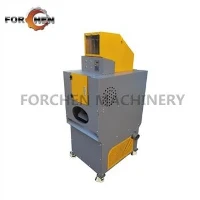
Balers play a vital role in recycling programs. Because they can recycle large amounts of material and bale it into a compact shape, it's easier to store and transport.
There are several types of balers, suited for different applications. The two most common are vertical and horizontal balers. Below are the advantages and disadvantages of each type.
Horizontal balers process waste differently from vertical balers. Recyclables enter the hopper. Once the hopper is full, side balers compress the material horizontally until the bale is complete. The bale is then bound with wire and ejected.
Advantages of Horizontal Balers
More Applications: Most horizontal balers can handle a variety of materials, such as painted aluminum siding or radiators. They can also bale non-elastic materials like newsprint and paper.
Higher Production: Horizontal balers can handle larger bales per day and produce larger bales than vertical balers.
Consistency: They produce bales with consistent density and weight, making them easier to store.
Convenience: Horizontal balers can be used with underground or above-ground conveyors, shredders, and air systems.
Price: Horizontal balers are generally more expensive than vertical balers. The price is even higher if they are combined with a conveyor or shredder system.
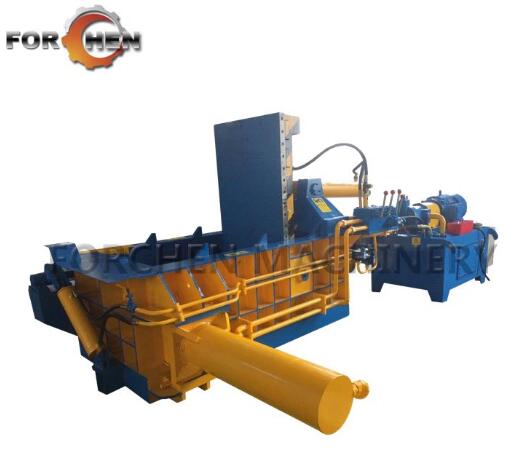
Vertical Balers
Advantages of Vertical Balers
Smaller Footprint: Vertical balers take up less space than horizontal balers, making them versatile. They can be used in the same applications as horizontal balers, but can also be used in areas where horizontal balers are inappropriate, such as hotels, entertainment venues, and commercial facilities like retail and distribution centers.
Cost: Vertical balers are generally much cheaper than horizontal balers, costing approximately one-fifth to one-tenth the price of horizontal balers.
Disadvantages of Vertical Balers
End Product: Smaller models may produce bales that do not meet "factory standards," making it more challenging to find end users willing to purchase them.
Height: Their height can also be an issue for some applications-vertical balers can be much taller than horizontal balers.
Which baler is right for me?
When comparing your options for purchasing a baler, ask yourself these questions:
How many bales can I produce per day?
Generally speaking, a vertical baler is best for operations producing no more than 8 to 10 bales per day. For higher production volumes, consider a horizontal aluminum baler.
How much space do I have?
Consider operating height and available floor space. Remember, you'll also need space for maintenance.
What's your budget?
When choosing a baler, consider the investment costs associated with the model you choose. Also, don't forget to factor in the cost of goods sold for the baled material.