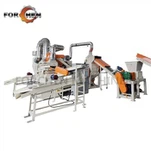
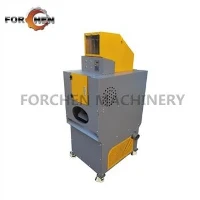
Waste management is a major concern for businesses across all industries. Balers are ideal for waste management because they can bundle trash and recyclable materials for processing.
As a business owner or manager, you deserve the best waste handling equipment for your business. The right baler can meet your waste management needs and improve your work environment.
Understanding Your Waste Needs
Businesses generate varying amounts and types of waste, including cardboard, plastics, textiles, and metals. By determining the characteristics of the waste, such as its size, density, and composition, you can determine your baler requirements. Bales loaded with heavy materials can be more difficult to handle, so it's important to first understand how your company generates waste.
Types of Balers
Balers are designed to handle different waste materials and meet various processing needs. The three most common types are vertical balers, horizontal balers, and double-ram balers.
Vertical Balers
Vertical balers compress waste vertically and are ideal for businesses with limited space. They typically process small quantities of recyclable materials, such as cardboard, paper, and plastics. Vertical balers are economical, easy to operate, and take up less floor space than other models.
Horizontal balers are suitable for handling large volumes of waste and a variety of materials, including cardboard, plastic, foam, and aluminum. They compress the waste horizontally, forming large, easily transportable bales.
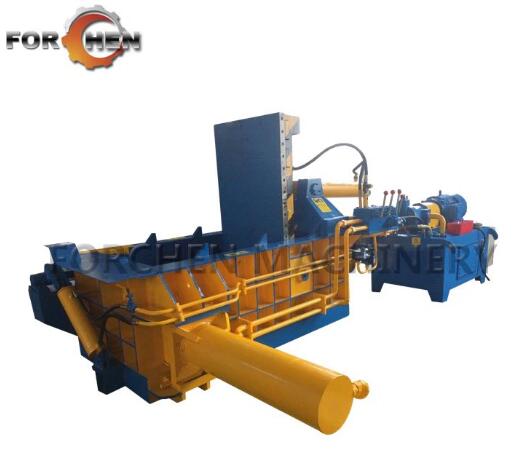
Double-ram balers
These heavy-duty machines are capable of handling a wide range of waste types. They are flexible enough to handle both lightweight materials (cardboard and paper) and heavy items (plastic bottles and tires).
Important Factors
When selecting a baler for your waste management needs, consider the following:
Waste volume – Determine how much waste your facility generates daily or weekly. This information will help you select a baler with the appropriate capacity.
Space availability – Ensure the selected baler is suitable for your facility and will not hinder workflow or create safety hazards.
Waste composition – Analyze the type of waste you handle. This will influence the size, power, and features of the baler you need.
Operational efficiency – Consider the frequency of waste generation and your desired processing speed.
Safety and durability – Prioritize balers with safety features and robust construction to ensure worker safety and equipment longevity.
It's crucial to pay attention to every internal process, including waste management. The right equipment will help your business stay organized and facilitate better waste management.