

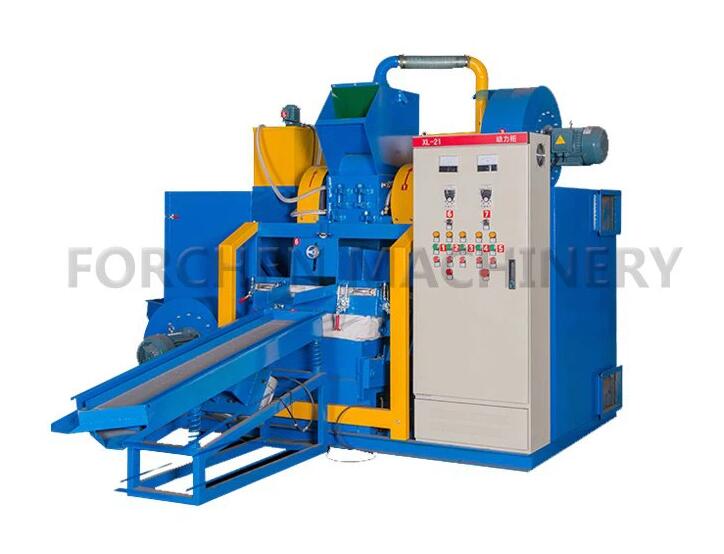
Cable wire separator machines play a crucial role in the recycling industry by efficiently separating and processing various types of cables and wires. These machines utilize advanced technologies to extract valuable materials from cables, reduce waste, and contribute to environmental sustainability. Below are some key applications of cable wire separator machines:
1. Metal Recovery:
Cable wire separator machines are primarily used for the recovery of metals from cables and wires. Cables often contain valuable metals such as copper and aluminum. The machine uses mechanical processes to separate the metal from the plastic or rubber insulation, allowing for efficient recovery of these valuable materials. Metal recovery is essential for resource conservation and reduces the need for mining and extraction of new raw materials.
2. Cable Recycling:
Cable recycling is a significant application of wire separator machines. These machines are designed to handle various types of cables, including electrical cables, communication cables, and automotive cables. By processing and recycling old or discarded cables, these machines help in reducing the environmental impact associated with cable disposal and promote the reuse of materials.
3. Electronic Waste Recycling:
As part of the broader electronic waste (e-waste) recycling process, they are employed to dismantle and separate cables from electronic devices. Electronic devices often contain a complex mix of materials, including cables with different insulation types. The machines aid in the separation of cables, facilitating the recycling of components and materials within electronic devices.
4. Energy and Resource Conservation:
Cable wire separator machines contribute to energy and resource conservation by recycling materials from cables. The extraction of metals from raw ores is an energy-intensive process, and by recycling metals from cables, these machines help conserve energy and reduce the environmental impact associated with mining activities.
5. Plastic Recycling:
In addition to metal recovery, cable wire separator machines also play a role in plastic recycling. After the metal components are separated, the remaining plastic or rubber insulation is processed further. Some machines incorporate technologies to granulate or shred the plastic, making it suitable for recycling. This helps in minimizing the volume of waste and promotes the reuse of plastic materials.
6. Environmental Benefits:
The use of cable wire separator machines contributes to environmental sustainability by reducing the amount of cable waste that ends up in landfills. Cable materials can be hazardous if not properly disposed of, and recycling through these machines mitigates the environmental impact of improper cable disposal.
7. Economic Value:
They have economic benefits as well. By recovering valuable metals and materials, these machines contribute to the generation of secondary raw materials that can be reused in manufacturing processes. This, in turn, reduces the dependence on virgin materials and supports a more circular economy.
8. Advanced Sorting Technologies:
Some cable wire separator machines incorporate advanced sorting technologies, such as sensors and air classifiers, to enhance the efficiency and accuracy of the separation process. These technologies allow for the precise sorting of different materials, optimizing the recovery of valuable components.
Cable wire separator machines play a vital role in the recycling industry, offering a sustainable and efficient solution for the separation and recovery of metals and materials from cables. These machines contribute to environmental conservation, resource sustainability, and economic viability, making them indispensable in the modern recycling landscape.


