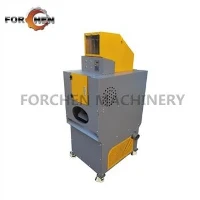
Scrap metal baler machines are essential in the recycling and waste management industries. These machines compress loose scrap metal into dense, easy-to-handle bales, optimizing storage, transportation, and recycling processes. The following are key advantages that make metal balers a valuable investment in your recycling business.
Storage Space Optimization
A major direct benefit of using a hydraulic scrap metal baler machine is reduced storage space requirements. Loose scrap metal can take up a significant amount of space in a recycling facility, leading to operational inefficiencies. By compressing scrap metal into compact bales, the storage space required for the same volume of material can be reduced by up to 30%.
This efficiency enables recycling facilities to process large volumes of scrap without expanding their physical footprint. Balers enable businesses with limited space to manage large volumes of recyclable metal without the need for costly facility expansion. The organized, stackable nature of metal bales also improves inventory management and material tracking.
Reduced Transportation Costs
Transportation is a major expense in metal recycling. Uncompressed scrap metal is bulky and inefficient to transport, resulting in fewer tons per shipment and higher unit transportation costs. Baling scrap metal significantly changes this dynamic.
Densely packed metal bales allow trucks to carry more weight while meeting legal load limits, reducing the number of trips required to transport the same amount of material.
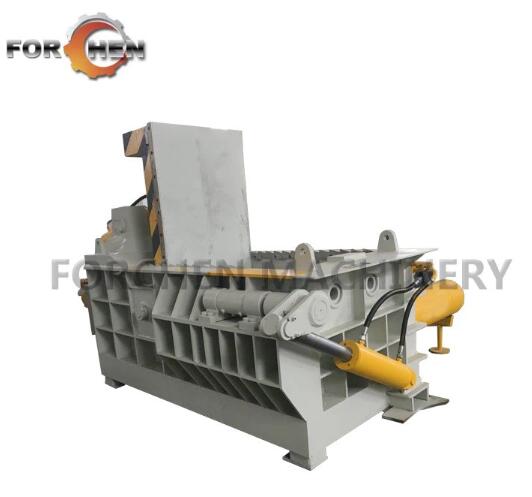
However, companies using hydraulic scrap metal balers can reduce transportation costs by up to 20% through improved loading efficiency and lower fuel consumption per ton of material. Standardized bale shapes also speed up loading and unloading, reducing labor costs and shortening turnaround time.
Higher Market Value
For several practical reasons, compacted scrap metal commands a higher price than bulk scrap in the recycling market. Recycling facilities and metal processors favor baled scrap because it is easier to integrate into their production processes. The uniform density and shape of baled scrap reduce processing time and costs for buyers.
Baled scrap is generally less contaminated than bulk scrap, making it more valuable to end-user processors. Properly baled scrap density ensures consistent melting performance in foundries and rolling mills.
This increased value can result in a 10-20% price premium, significantly improving recycling profitability.
Enhanced Workplace Safety
For safety reasons, the use of a hydraulic scrap metal baler is highly recommended. Loose scrap metal presents hazards in recycling facilities.
For example, sharp edges can cause injuries, unstable stacks can easily collapse, and loose debris can be a tripping hazard. These issues increase the risk of workplace accidents and potential liability.
Balled scrap metal reduces these risks by being tightly packed into a block structure, eliminating sharp edges. The uniform shape of the bales makes stacking and storage safer.
Equipment operators face fewer hazards when mechanically handling baled material. This improved safety can reduce workplace accidents, lower insurance costs, and improve regulatory compliance.
Improved Operational Efficiency
The hydraulic scrap metal baler streamlines the entire recycling process. The baling process creates a more organized operation and a more predictable movement of material through collection, processing, and transportation. This structured approach improves labor efficiency and reduces bottlenecks in the recycling process.
Modern balers are equipped with a variety of automated features to further enhance operational efficiency. Many models include automatic strapping systems, ejection mechanisms, and digital controls to minimize manual operation and increase throughput.
These efficiency gains enable recycling operations to process more material with the same labor, thereby increasing overall productivity and profitability.