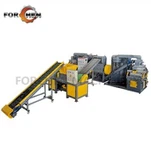
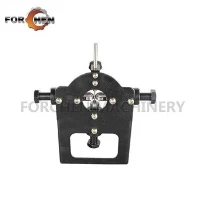
Choosing the right mini-automatic recycling machine is essential to ensure efficient and effective recycling processes. Here's a detailed description of the factors to consider in a buyer's guide when selecting a mini automatic recycling machine:
1. Recycling Capacity and Throughput: Assess the recycling capacity and throughput of the machine, which refers to the volume of recyclable materials it can process within a specific timeframe. Consider the anticipated recycling needs, such as the amount and types of recyclables generated in your target location or facility. Choose a machine with a capacity and throughput that aligns with your recycling requirements to ensure smooth operations and avoid bottlenecks.
2. Material Compatibility: Different mini automatic recycling machines are designed to handle specific types of recyclable materials, such as plastic bottles, aluminum cans, or glass containers. Determine the types of materials commonly generated in your recycling stream and select a machine that can effectively process and sort those materials. Ensure that the machine's capabilities match your specific recycling needs to achieve optimal results.
3. Sorting and Separation Technology: Mini automatic recycling machines utilize various sorting and separation technologies to separate different types of recyclables. Some machines employ sensors, optical recognition, or mechanical mechanisms to identify and sort materials based on their characteristics, such as size, shape, or material composition. Evaluate the sorting and separation capabilities of the machine and ensure they align with the types of recyclables you intend to process.
4. Ease of Use and User Interface: Consider the ease of use and user interface of these. The machine should have a user-friendly interface that enables intuitive operation and requires minimal training for users. Look for features such as touchscreen displays, clear instructions, and visual indicators to guide users through the recycling process. An easy-to-use machine encourages higher user engagement and participation in recycling efforts.
5. Size and Footprint: They come in various sizes, so it's important to consider the available space in your facility or desired installation location. Assess the dimensions and footprint of the machine to ensure it fits within the allocated space without causing obstructions or hindering workflow. Optimize space utilization by selecting a machine that provides the required recycling capabilities while minimizing its physical footprint.
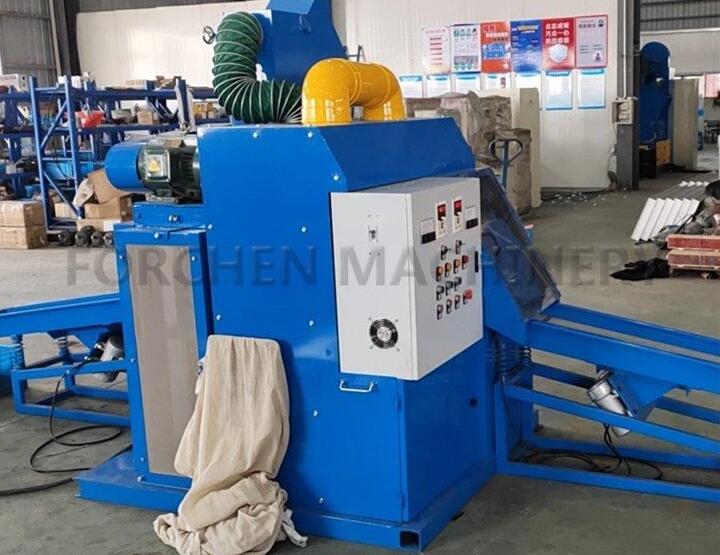
6. Maintenance and Serviceability: Evaluate the maintenance requirements and serviceability of the mini automatic recycling machine. Consider factors such as ease of cleaning, access to internal components for maintenance or repairs, and availability of spare parts. A machine that is easy to maintain and service will minimize downtime and ensure consistent performance over time.
7. Data Monitoring and Reporting: Many mini automatic recycling machines offer data monitoring and reporting features. These capabilities allow you to track recycling volumes, monitor machine performance, and gather valuable insights into your recycling efforts. Consider whether the machine provides real-time data, reporting functionalities, or integration options with waste management systems. Access to data helps in evaluating the effectiveness of recycling initiatives, identifying trends, and optimizing recycling strategies.
8. Durability and Build Quality: Choose a mini automatic recycling machine that is built with durable materials and components to withstand the demands of continuous operation. Consider the quality of construction, reliability of internal mechanisms, and overall robustness of the machine. A durable and well-built machine will have a longer lifespan, reducing the need for frequent repairs or replacements.
9. Power Efficiency: Energy efficiency is an important consideration for mini automatic recycling machines. Look for machines that have high energy efficiency ratings and utilize energy-saving technologies. Energy-efficient machines not only reduce operational costs but also contribute to sustainability goals by minimizing energy consumption and environmental impact.
10. Compliance and Certifications: Ensure that the mini automatic recycling machine complies with relevant regulations and certifications. Look for certifications related to safety, electrical standards, and environmental standards. Compliance with industry standards indicates that the machine meets specific requirements for quality, performance, and safety.
11. Customer Support and Warranty: Assess the customer support provided by the manufacturer or supplier of the mini automatic recycling machine. Consider factors such as availability of technical assistance, responsiveness to inquiries, and after-sales support. Additionally, review the warranty terms and coverage offered for the machine. A reliable warranty and strong customer support ensure peace of mind and assistance when needed.
12. Budget Considerations: Consider your budget when selecting a mini automatic recycling machine. Evaluate the upfront costs of the machine, as well as any ongoing maintenance or operational expenses. Compare the features, capabilities, and overall value provided by different machines to determine the best fit within your budget constraints.
By considering these factors in your buyer's guide, you can select the right mini-automatic recycling machine that meets your specific recycling needs, capacity requirements, ease of use, maintenance considerations, and budget. A well-chosen machine will streamline your recycling processes, improve efficiency, and contribute to your overall waste management objectives.