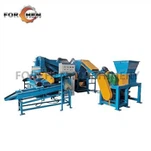
Electrostatic separator machines have found diverse and practical applications across various industries, leveraging their ability to separate materials based on their electrical conductivity. From recycling to mineral processing, these machines contribute significantly to efficiency, resource recovery, and environmental sustainability. Here are some practical applications of electrostatic separator machines:
1. Recycling of Plastics:
One of the primary applications of electrostatic separator machines is in the recycling of plastics. These machines can efficiently separate different types of plastics based on their electrical conductivity. As plastics exhibit varying conductivity, the electrostatic separator enables the segregation of specific polymer types. This process enhances the quality of recycled plastics and supports the recycling industry's efforts to reduce the environmental impact of plastic waste.
2. Metal Recovery from Electronic Waste (E-Waste):
Electrostatic separators play a crucial role in the recovery of metals from electronic waste (e-waste). E-waste contains a mix of metals, plastics, and other materials. Electrostatic separation allows for the effective separation of metals from other components, facilitating the recovery of valuable materials like gold, silver, copper, and other metals found in electronic devices.
3. Mineral Processing:
In the field of mineral processing, electrostatic separator machines are employed to separate minerals based on their electrical conductivity. This is particularly useful in processing minerals with varying conductivity levels, such as rutile and ilmenite. Electrostatic separation enhances the efficiency of mineral processing operations, allowing for the extraction of valuable minerals with high purity.
4. Separation of Conductive and Non-Conductive Materials:
Electrostatic separators excel in separating conductive and non-conductive materials within various waste streams. This capability is valuable in applications where different materials with distinct electrical properties need to be efficiently segregated, such as in the recycling of mixed materials or the recovery of specific components from industrial waste.
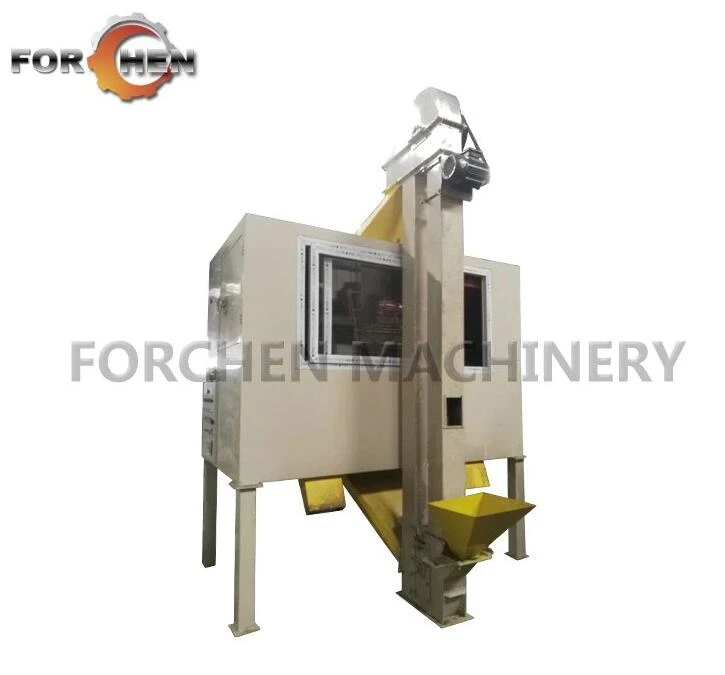
5. Sorting of Scrap Metal:
In the scrap metal recycling industry, electrostatic separator machines are utilized to separate different metals based on their electrical conductivity. This process enables the efficient recovery of ferrous and non-ferrous metals from mixed metal scrap, contributing to resource recovery and reducing the environmental impact of metal extraction.
6. Glass Recycling:
Electrostatic separation is applied in the recycling of glass, particularly in separating glass particles from other materials in waste streams. By exploiting the differences in electrical properties, electrostatic separator machines can effectively separate glass from plastics and other materials, facilitating the recycling of glass cullets for use in new glass products.
7. Beneficiation of Mineral Sands:
In the mining industry, electrostatic separator machines are employed in the beneficiation of mineral sands, such as zircon, rutile, and ilmenite. These machines effectively separate minerals with different conductivity levels, allowing for the extraction of high-value minerals with enhanced purity.
8. Separation of Fine Particles:
Electrostatic separators are capable of separating fine particles based on their electrical properties. This is particularly advantageous in applications where conventional mechanical separation methods may be less effective. The high precision of electrostatic separation ensures the recovery of fine particles, contributing to improved product quality and yield.
9. Food Industry Applications:
Electrostatic separation is applied in the food industry for the separation of materials with different electrical properties. This includes the sorting of grains, seeds, and other agricultural products based on their conductivity. The technology is used to remove impurities and enhance the quality of food products.
10. Environmental Remediation:
Electrostatic separators find applications in environmental remediation projects, such as the cleanup of contaminated soil or industrial waste. These machines can separate pollutants and contaminants from soil or other substrates, contributing to environmental restoration efforts.
The practical applications of electrostatic separator machines are diverse and extend across industries, ranging from recycling and mineral processing to environmental remediation. Their ability to efficiently separate materials based on electrical conductivity makes them invaluable tools for resource recovery, waste management, and various industrial processes, contributing to sustainability and environmental conservation.