

In the ever-growing landscape of waste management, the role of advanced technologies has become increasingly significant. Electrostatic separator machines have emerged as crucial tools in waste management processes, offering an efficient and environmentally friendly solution for the separation and recovery of valuable materials. Here's an exploration of the pivotal role played by electrostatic separator machines in waste management.
1. Efficient Material Recovery:
One of the primary roles of electrostatic separator machines in waste management is the efficient recovery of valuable materials from mixed waste streams. These machines utilize the principle of electrostatic attraction and repulsion to separate different materials based on their electrical conductivity. This enables the extraction of valuable recyclables, such as metals, plastics, and paper, from mixed waste, contributing to increased recycling rates and resource recovery.
2. Plastic Recycling:
Electrostatic separators play a crucial role in plastic recycling by facilitating the separation of different types of plastics based on their electrical properties. As plastics vary in conductivity, the machine can effectively separate them, allowing for the recovery of specific polymer types. This process enhances the quality of recycled plastics and supports the circular economy by reducing the dependence on virgin materials.
3. Metal Recovery:
In waste streams, various metals may be present, including ferrous and non-ferrous metals. Electrostatic separator machines are adept at separating these metals from other materials. The separated metals can then be recovered for recycling, reducing the need for extraction of raw materials and minimizing environmental impact.
4. E-Waste Recycling:
The electronic waste (e-waste) stream contains a diverse range of materials, including metals, plastics, and circuit boards. Electrostatic separator machines are instrumental in the efficient separation of these components, allowing for the targeted recovery of valuable metals and the proper disposal or recycling of other electronic components. This is crucial in managing the environmental and health risks associated with improper e-waste disposal.
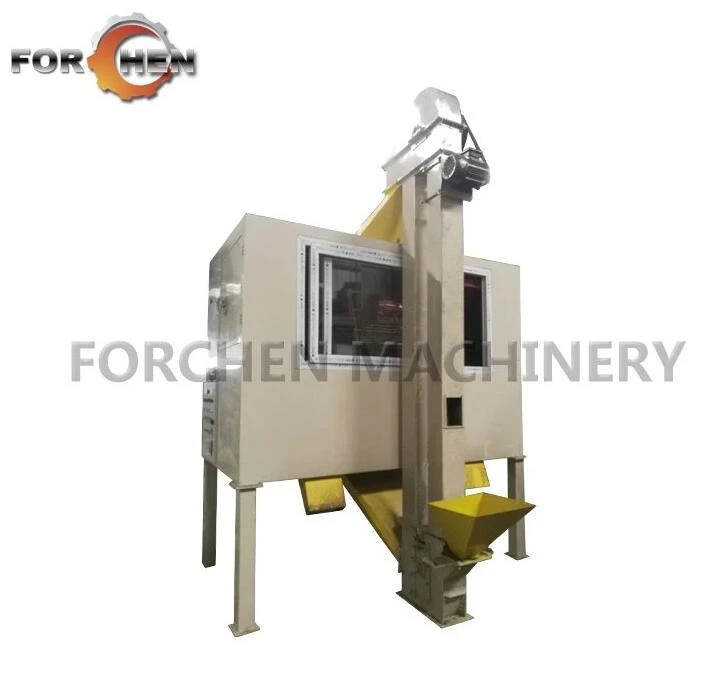
5. Separation of Insulating and Conductive Materials:
Electrostatic separators excel in separating materials based on their conductivity. Insulating materials and conductive materials can be efficiently separated, allowing for precise sorting and recovery. This capability is particularly valuable in waste streams where a variety of materials with different electrical properties are present.
6. Reduction of Landfill Waste:
By effectively separating recyclable materials from mixed waste streams, electrostatic separator machines contribute to the reduction of landfill waste. The recovered materials can be directed to recycling facilities, diverting them from landfills and extending the lifespan of disposal sites.
7. Enhanced Sorting Precision:
Electrostatic separation offers a high level of precision in sorting materials. This precision allows for the extraction of specific materials from complex waste streams, resulting in higher-quality recyclables and reducing contamination. The improved purity of separated materials enhances their market value and the overall sustainability of the recycling process.
8. Contribution to a Circular Economy:
The role of electrostatic separator machines aligns with the principles of a circular economy, where materials are reused, recycled, and reintegrated into the production cycle. By efficiently recovering valuable resources from waste, these machines contribute to the sustainable management of materials and the reduction of environmental impacts associated with resource extraction.
9. Energy Efficiency:
Compared to traditional separation methods, electrostatic separators are often more energy-efficient. Their operation requires lower energy consumption, contributing to overall energy efficiency in waste management processes. This aligns with global efforts to reduce the carbon footprint associated with waste treatment and recycling activities.
Electrostatic separator machines play a critical role in waste management by enabling the efficient recovery of valuable materials, reducing landfill waste, and contributing to a circular economy. Their ability to separate materials based on electrical properties offers a versatile and environmentally friendly solution for the challenges posed by diverse and complex waste streams.


